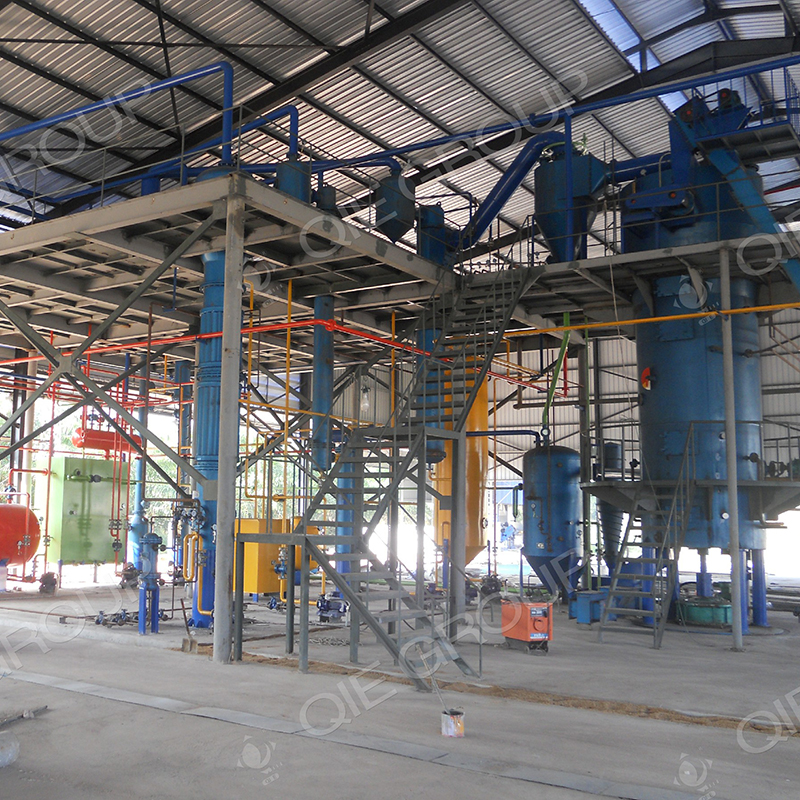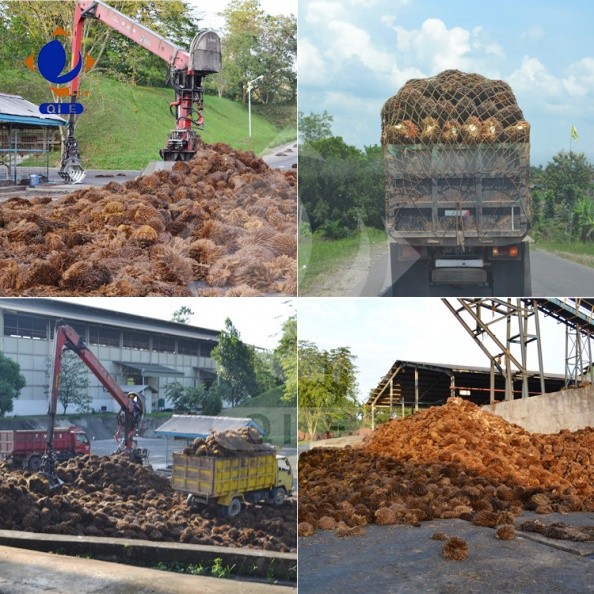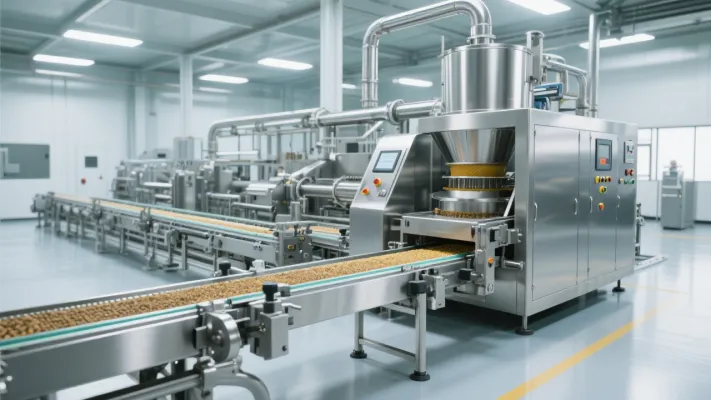
The palm oil refining process comprises critical stages that profoundly impact the final product’s quality and market value. From raw crude oil (CPO) to premium edible oil, the transformation involves four key operations: degumming, neutralization (deacidification), bleaching, and deodorization. Each stage requires precise control of process parameters such as temperature, vacuum level, and chemical additives to ensure purity, stability, and compliance with international food-grade standards.
Degumming eliminates phospholipids, mucilaginous substances, and other impurities that cause turbidity and reduce shelf life. Maintaining an optimum temperature range of 65–75°C and accurate addition of water or acidifiers ensures effective hydration and separation. Overheating can degrade oil quality, while under-treatment leaves residual gums that affect downstream steps.
The neutralization step employs caustic soda to saponify free fatty acids, with reaction temperatures typically controlled between 70–85°C. Precise dosing is crucial; insufficient alkali leaves excessive FFAs, increasing acidity and compromising shelf life, while overdosing generates soapstock buildup. Monitoring pH and FFA levels post-neutralization helps maintain the target 0.1–0.3% acidity for premium grades.
This phase targets pigments, oxidation products, and trace metals. Effective bleaching demands controlled temperature (85–110°C), vacuum (< 5 mm Hg), and precise bleaching earth dosing, usually between 1%–3% of oil weight. Excessive bleaching earth can cause oil loss, while inadequate treatment results in off-color and residual contaminants.
The final deodorization step removes volatile compounds and completes oil refinement. Conducted under high temperature (220–260°C) and deep vacuum (1–3 mm Hg), this process balances between removing off-flavors and preserving natural nutrients. Fine-tuning steam injection and residence time is critical to avoid thermal degradation.
| Process Stage | Key Parameters | Common Issues | Suggested Actions |
|---|---|---|---|
| Degumming | Temp: 65–75°C Water/acid dosage |
Cloudy oil Emulsion formation |
Adjust temp Optimize additive volume Ensure mixing efficiency |
| Neutralization | Temp: 70–85°C Caustic soda dosage |
High FFA content Soapstock residue |
Monitor pH/FFA Calibrate dosing system |
| Bleaching | Temp: 85–110°C Vacuum: < 5 mm Hg Bleaching earth: 1–3% |
Poor color High impurities |
Fine-tune dosage Maintain vacuum integrity |
| Deodorization | Temp: 220–260°C Vacuum: 1–3 mm Hg Steam injection |
Off-flavors Nutrient loss |
Optimize steam & time Maintain vacuum level |
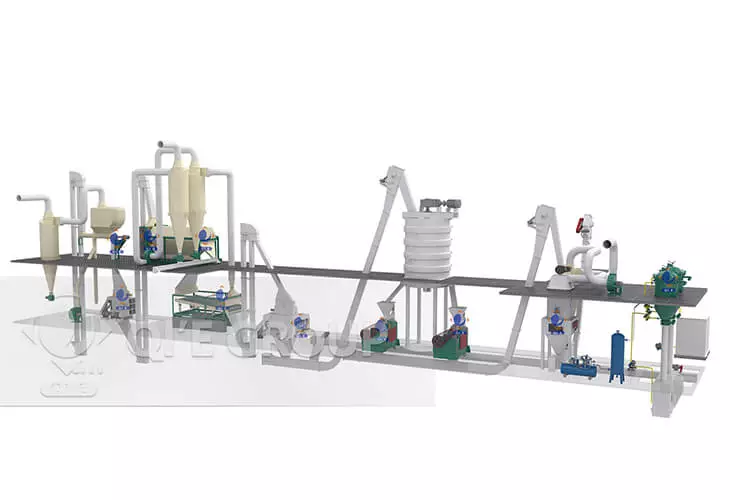
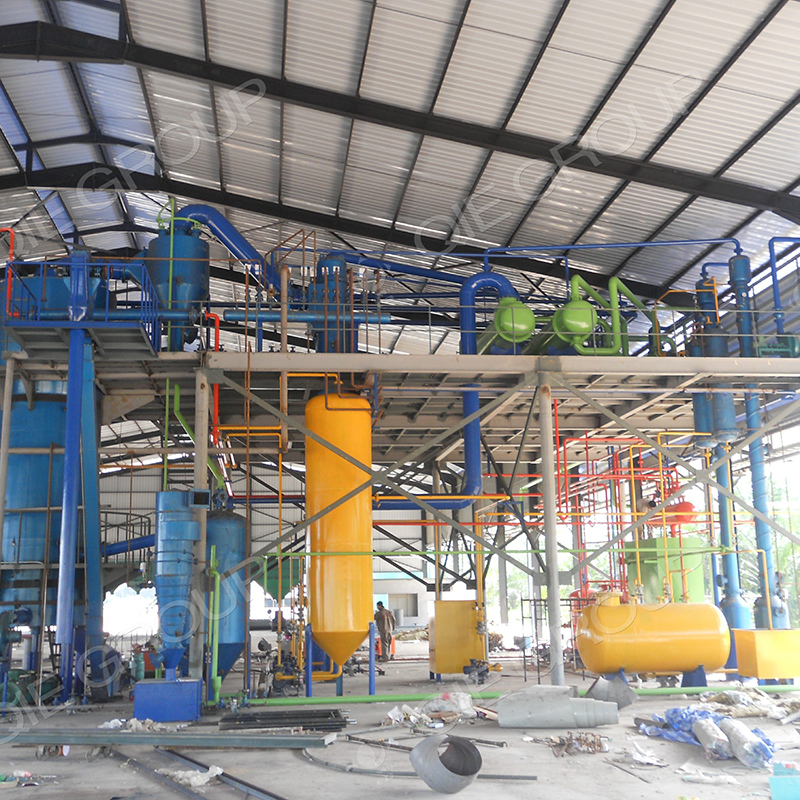
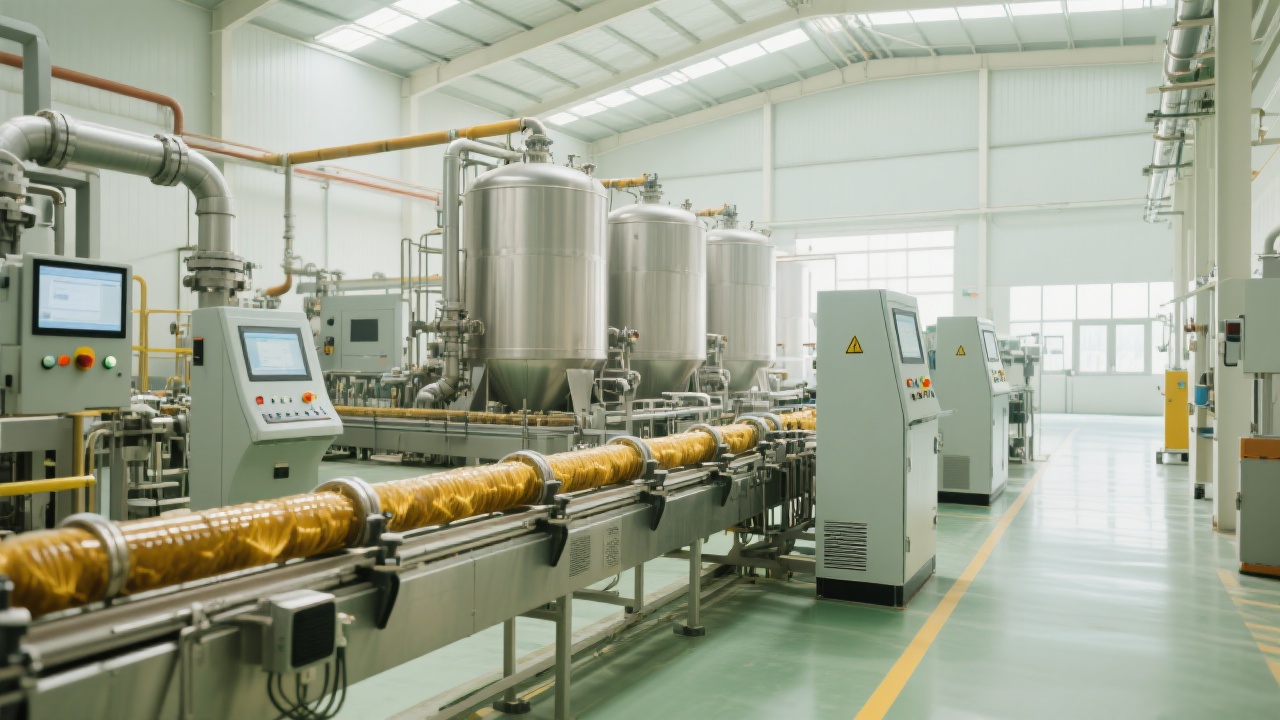
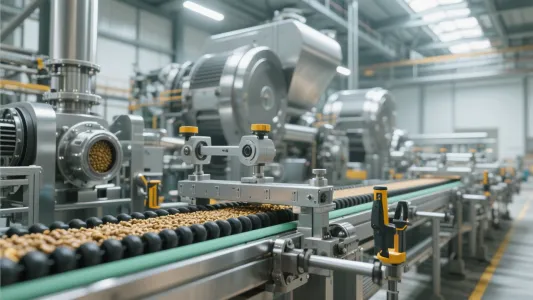
QIE Group’s fully automated palm oil refining line integrates advanced PLC control systems to manage temperature, vacuum, and dosing with high precision. This automation reduces human errors, enhances batch-to-batch consistency, and enables real-time process adjustments, dramatically lowering downtime and quality variance.
The use of high-grade stainless steel construction ensures superior corrosion resistance, preventing metal contamination that can degrade oil quality and violate food safety regulations. This material choice also simplifies cleaning protocols, supporting hygienic production environments mandatory for export-grade products.
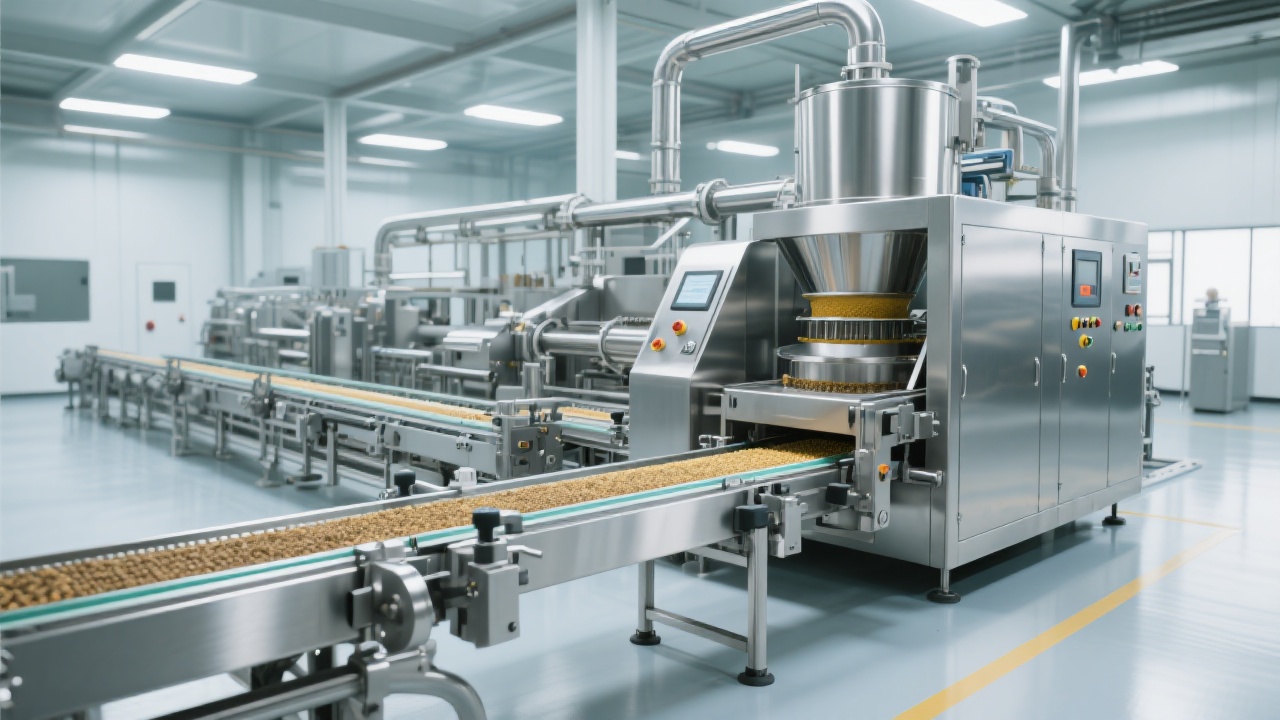
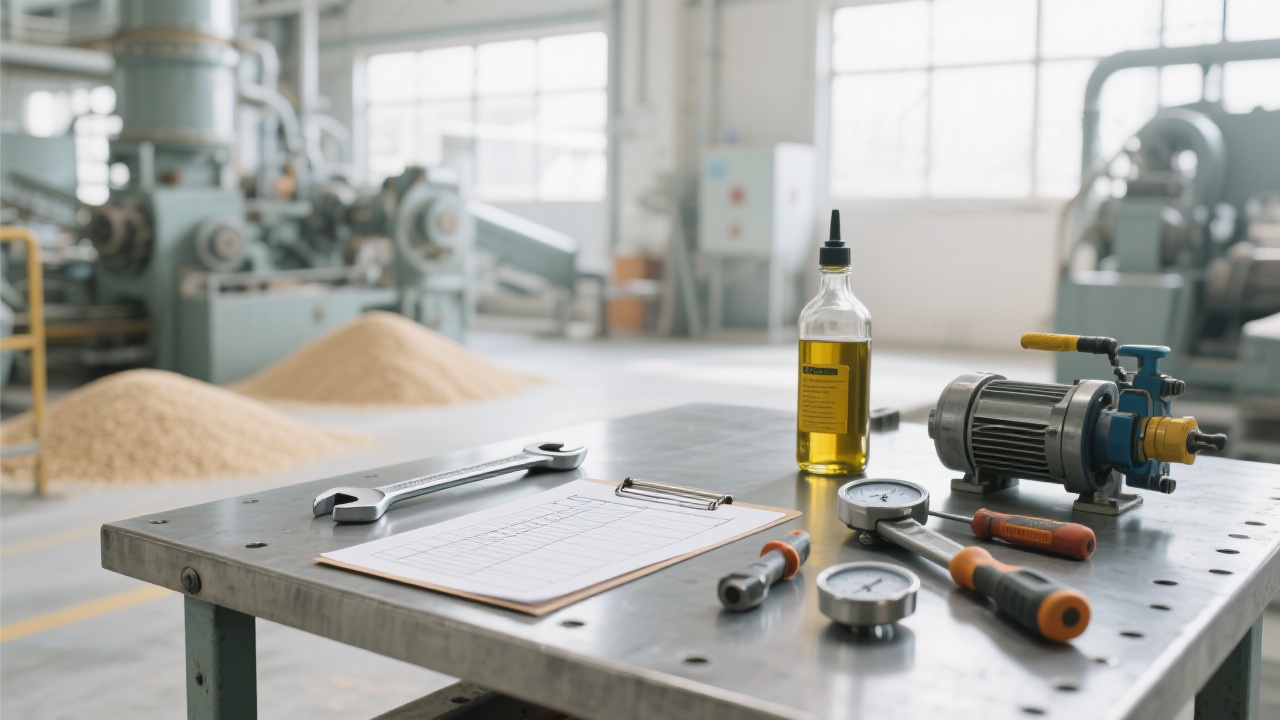
To ensure continuous improvement and product excellence, establishing standardized operating procedures (SOPs) is critical. These SOPs encompass parameter monitoring, routine maintenance schedules, and quality control checkpoints aligned with international food safety certifications such as ISO 22000 and HACCP.
User case studies reveal that producers implementing automated stainless steel refining lines and strict SOPs have reduced quality complaints by over 30% within the first six months and achieved up to 15% increase in output efficiency. This translates into better product reputation, customer retention, and higher return on capital investment.
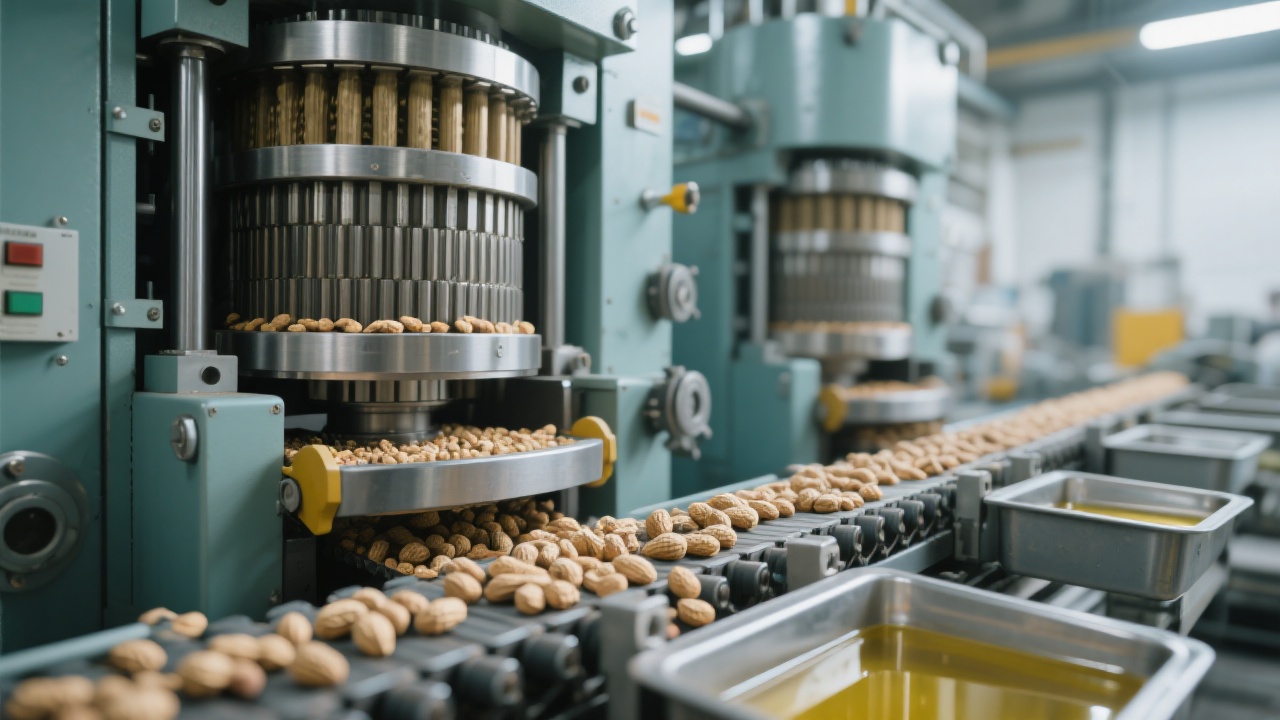
Quality deviations such as abnormal coloration, high free fatty acid content, and residual odors often stem from inadequate parameter control or equipment malfunction. Regular training for operators on early defect detection and immediate corrective actions is indispensable.
“Proactive parameter adjustments and maintaining equipment hygiene are keys to achieving stable product quality. Automated controls minimize operator influence, but skilled oversight remains vital.” – Amanda Wong, Operations Manager
An interactive Q&A platform enables clients to access tailored troubleshooting advice. By submitting key operational data, technicians can diagnose potential faults and recommend optimized workflows, ensuring minimal production interruptions.
 411
|
411
|
 PLC automation
palm oil production line automation
industrial sensor applications
pressing line control optimization
oil extraction equipment upgrade
PLC automation
palm oil production line automation
industrial sensor applications
pressing line control optimization
oil extraction equipment upgrade
 310
|
Palm oil processing equipment
Methods to improve palm oil pressing efficiency
Energy - saving renovation schemes for refining processes
Application of automated control systems
Equipment daily maintenance skills
310
|
Palm oil processing equipment
Methods to improve palm oil pressing efficiency
Energy - saving renovation schemes for refining processes
Application of automated control systems
Equipment daily maintenance skills
 123
|
palm oil press line maintenance
equipment preventive maintenance
gear and bearing保养
pump unit servicing
palm oil production line support
123
|
palm oil press line maintenance
equipment preventive maintenance
gear and bearing保养
pump unit servicing
palm oil production line support
 354
|
QI'E palm oil refining machines
small-scale palm oil refining equipment
Nigerian palm oil production
354
|
QI'E palm oil refining machines
small-scale palm oil refining equipment
Nigerian palm oil production
 336
|
palm oil processing equipment Nigeria
automated palm oil plant design
energy-efficient oil extraction technology
refined palm oil production process
pressure vessel safety standards
336
|
palm oil processing equipment Nigeria
automated palm oil plant design
energy-efficient oil extraction technology
refined palm oil production process
pressure vessel safety standards