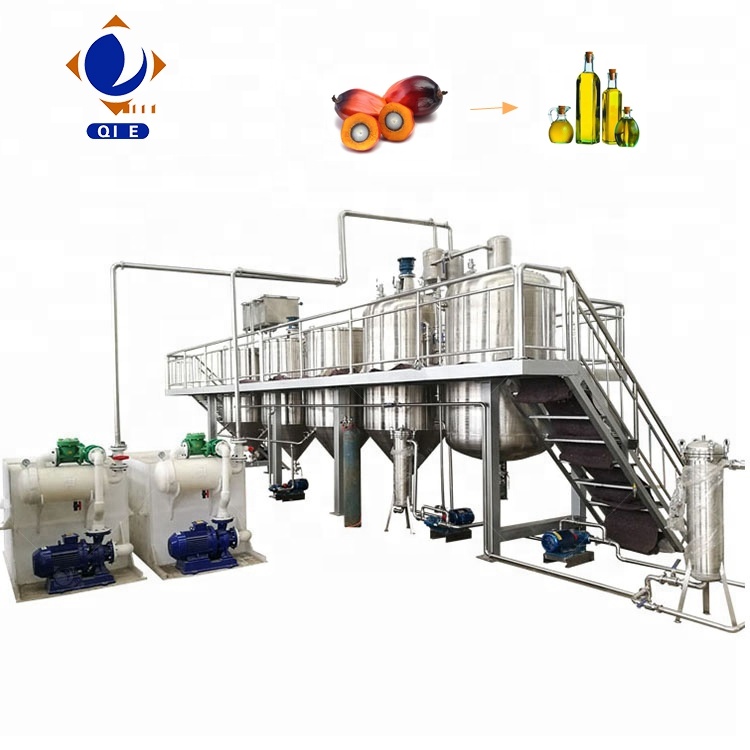
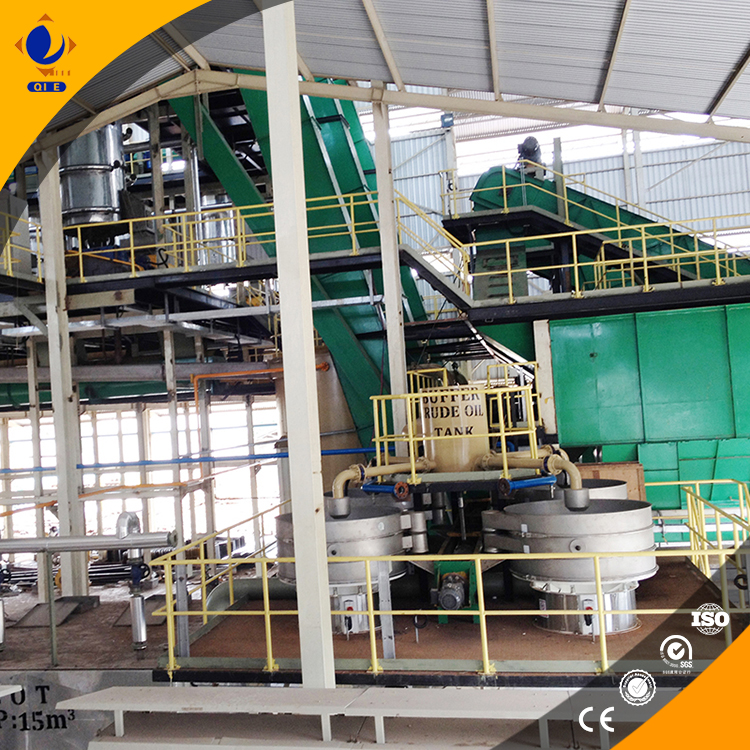
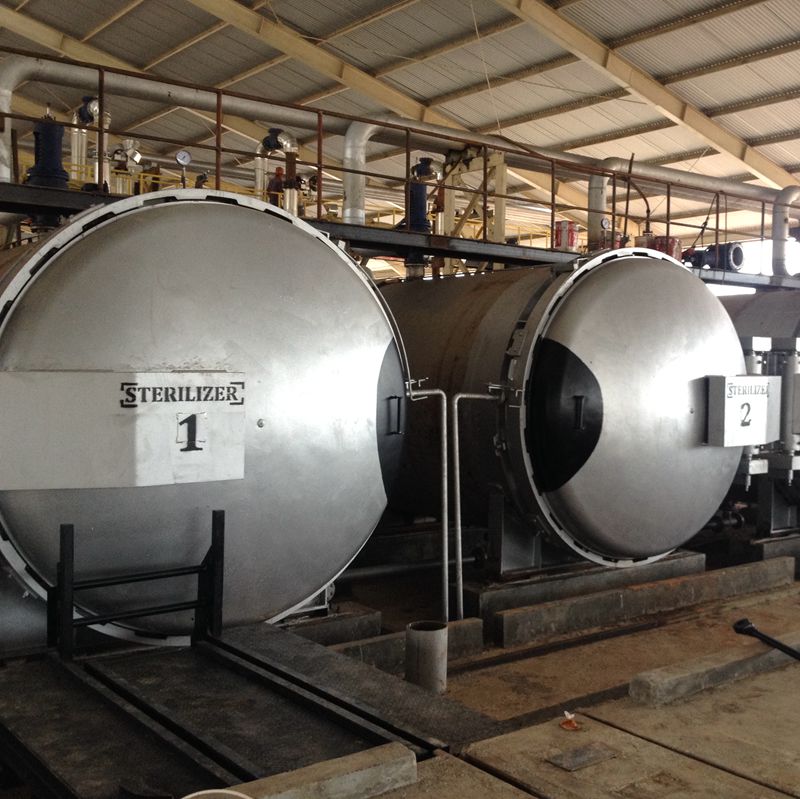
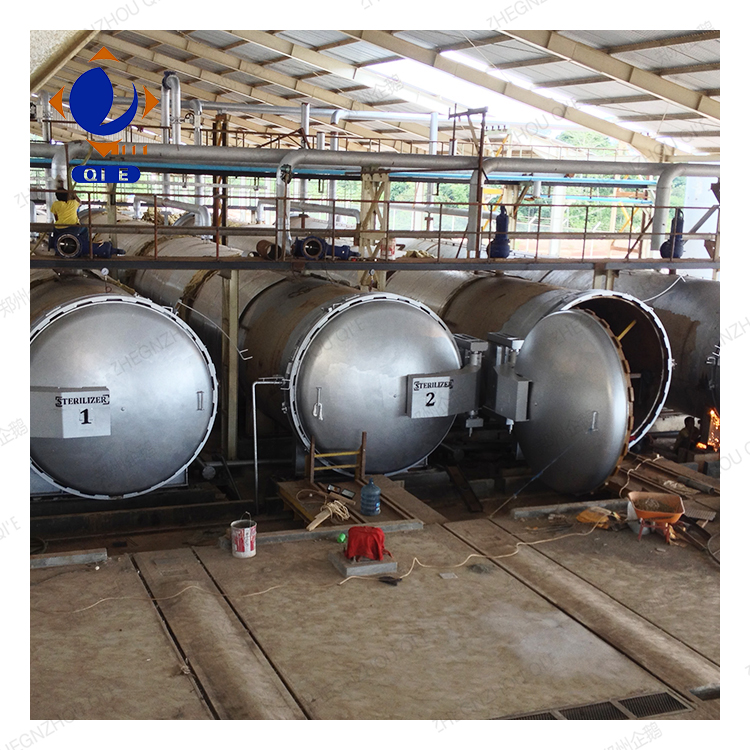
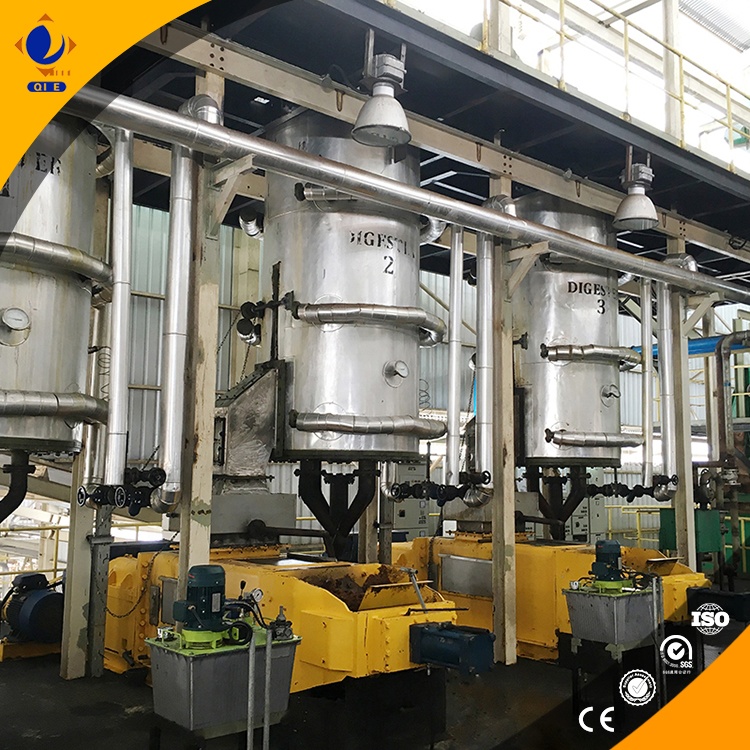
In palm oil refining, inconsistent quality—especially elevated free fatty acids (FFA) and off-color batches—is one of the top operational headaches for processors worldwide. According to a 2023 industry survey by Global AgriTech Insights, over 68% of small-to-mid-sized refineries report recurring issues in their final product’s acidity and visual clarity, often leading to rejected shipments or costly reprocessing.
The core four stages—degumming, deacidification, decolorization, and deodorization—are where most variability occurs. Each step must be tightly controlled:
“We’ve seen up to 15% variation in FFA levels across batches when operators manually adjust parameters—automation cuts that error rate to under 2%.” — Dr. Lena Müller, Process Engineer at QIE Group
If your palm oil shows excessive FFA (>0.5%) or darkened color, consider these common triggers:
A case study from a Malaysian refinery using QIE Group’s automated system showed a 98% success rate in meeting ISO 5555 standards after implementing standardized SOPs based on real-time process data logging.
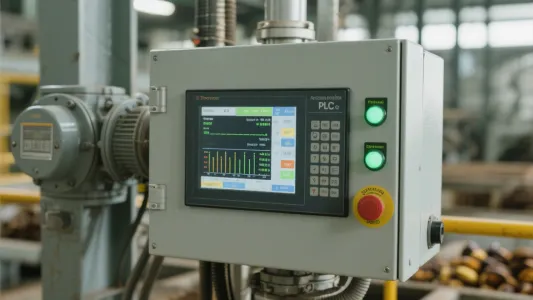
Modern refiners now rely on integrated control systems that monitor temperature, vacuum pressure, and chemical flow rates in real time. For example, our clients report:
| Parameter | Manual Control | Automated Control |
|---|---|---|
| FFA Level Stability | ±0.3% | ±0.05% |
| Color Consistency (Lovibond) | ±2° R | ±0.5° R |
These improvements translate into fewer customer complaints, reduced waste, and higher throughput—key metrics for any B2B buyer evaluating supplier reliability.
Whether you're troubleshooting current issues or planning a new setup, we offer global installation guidance, remote technical support, and customized SOP templates tailored to your facility's needs.
Get Your Free Refining Optimization ChecklistIf you have specific questions about your process, feel free to leave a comment below—we respond within 24 hours to help you avoid costly production delays.
 355
|
355
|
 palm oil expeller efficiency optimization
energy-saving oil extraction technology
automated palm oil processing systems
palm oil refining process improvement
PLC control in edible oil plants
palm oil expeller efficiency optimization
energy-saving oil extraction technology
automated palm oil processing systems
palm oil refining process improvement
PLC control in edible oil plants
 315
|
palm oil expeller maintenance
seal replacement best practices
water quality control in oil processing
preventive maintenance for hydraulic systems
equipment stability in palm oil production
315
|
palm oil expeller maintenance
seal replacement best practices
water quality control in oil processing
preventive maintenance for hydraulic systems
equipment stability in palm oil production
 146
|
small-scale palm oil production line
palm oil yield improvement
hot and cold pressing technology
304 stainless steel oil press
customized palm oil extraction equipment
146
|
small-scale palm oil production line
palm oil yield improvement
hot and cold pressing technology
304 stainless steel oil press
customized palm oil extraction equipment
 107
|
oilseed processing equipment customization
scalable oilseed pre-treatment solutions
versatile oilseed extraction systems
107
|
oilseed processing equipment customization
scalable oilseed pre-treatment solutions
versatile oilseed extraction systems
 157
|
palm fruit oil production energy saving
screw press energy optimization
palm oil pretreatment system
heat recovery in oil milling
automated energy management
157
|
palm fruit oil production energy saving
screw press energy optimization
palm oil pretreatment system
heat recovery in oil milling
automated energy management