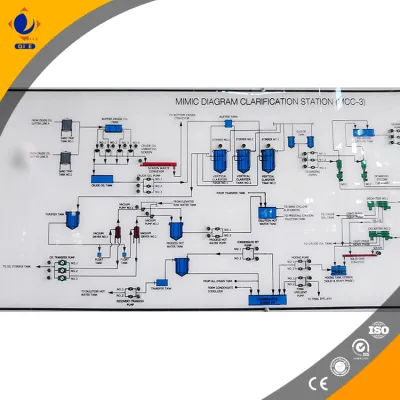
From crude palm oil to refined, edible oil, the refining process involves several crucial steps. Each step has its own quality - control checkpoints. For instance, the degumming process aims to remove phosphatides, while the bleaching step reduces pigments. The final deodorization step eliminates odors and further refines the oil's quality.

Excessive free fatty acids (FFA) in palm oil can be attributed to multiple factors. Fluctuations in raw materials are a significant cause. For example, if the palm fruit has been stored for too long or under improper conditions, the FFA content in the crude oil will increase. Operational errors, such as incorrect temperature settings during the refining process, can also lead to FFA超标. Moreover, the performance of the equipment, like aging or malfunctioning, can affect the efficiency of the refining process and cause FFA to exceed the standard.
To effectively troubleshoot FFA issues, you can use several practical techniques. Temperature monitoring is essential. In the deacidification process, maintaining the right temperature is crucial for the reaction between the oil and the alkali solution. A deviation of just 5 - 10 degrees Celsius can significantly affect the FFA removal rate. Vacuum degree detection is another important step. A proper vacuum degree helps to remove volatile substances, including FFA. Calculating the alkali consumption can also provide insights into the reaction progress and whether the FFA is being effectively neutralized.
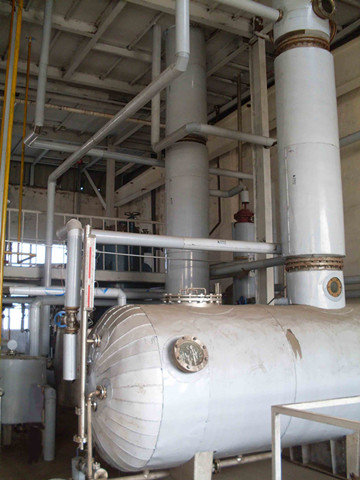
Once the problem is identified, you can make parameter adjustments. Fine - tuning the temperature, vacuum degree, and alkali addition amount can optimize the deacidification process. You can also optimize the additive ratio. For example, adding an appropriate amount of a specific catalyst can improve the reaction efficiency. Introducing an automated control system can further enhance the accuracy and consistency of the process. With automation, the system can adjust parameters in real - time based on the detected data, reducing the impact of human error.
Stainless - steel equipment plays a vital role in preventing metal contamination. Metal ions can catalyze oxidation reactions in palm oil, increasing the FFA content. By using stainless - steel materials, you can ensure the purity of the oil. Automated systems, on the other hand, guarantee batch - to - batch stability. They can precisely control all the process parameters, resulting in a consistent product quality. For example, in a well - automated palm oil refinery, the FFA content variation between batches can be controlled within 0.1%.
Based on years of industrial practice, creating a Standard Operating Procedure (SOP) is essential. The SOP should cover all aspects of the refining process, from raw material inspection to the final product packaging. It should include detailed instructions on parameter settings, equipment operation, and quality control. By following the SOP, operators can ensure that the process is carried out consistently, reducing the risk of FFA超标.
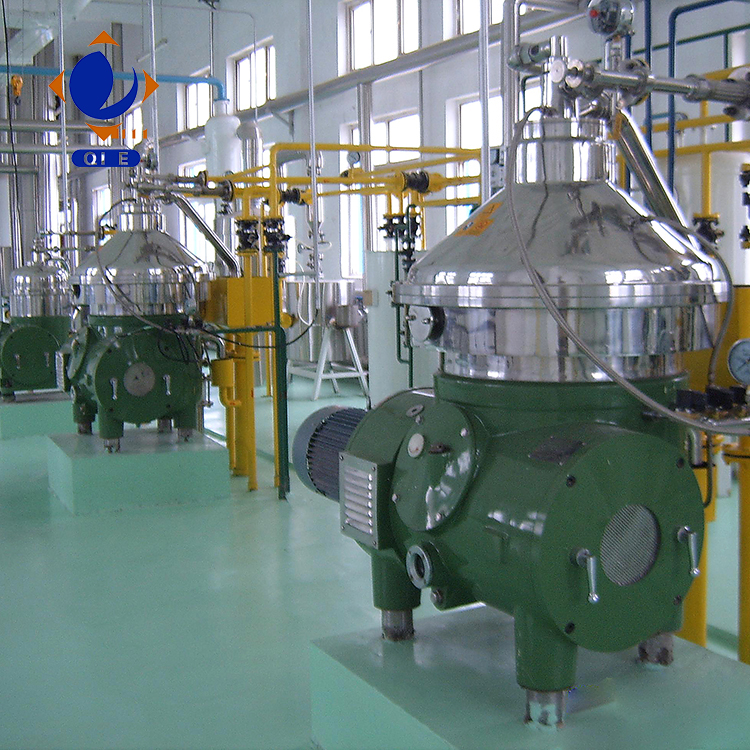
One palm oil factory successfully reduced its FFA content by 30% through process optimization. They first conducted a detailed analysis of their refining process, identified the key problem areas, and then implemented targeted adjustment strategies. By fine - tuning the process parameters and upgrading their equipment with automated systems, they achieved significant improvements in product quality. This case shows that with the right approach, it is possible to effectively control FFA in palm oil refining.
掌握这些参数控制技巧,让您的棕榈油品质更稳定、客户更信赖! Click here to learn more about palm oil refining optimization