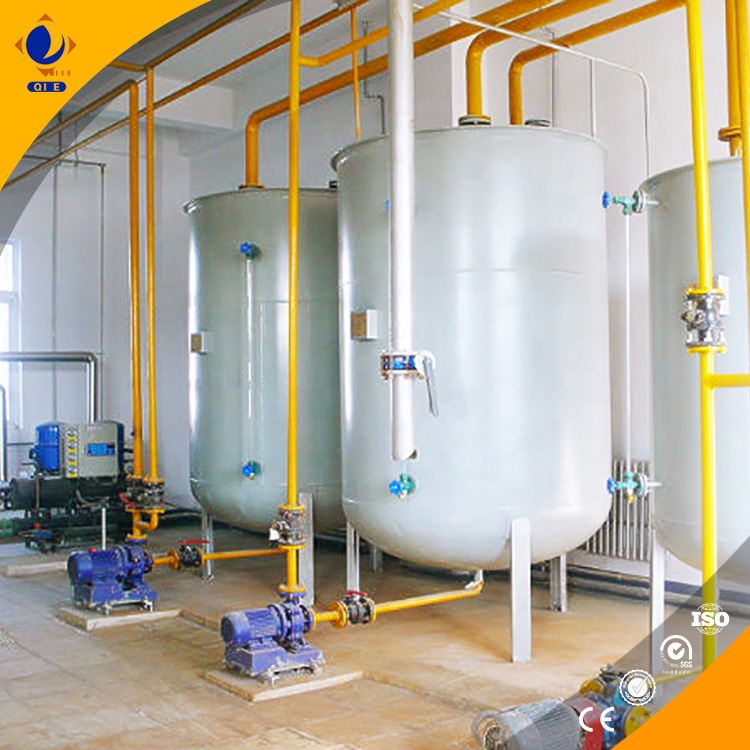
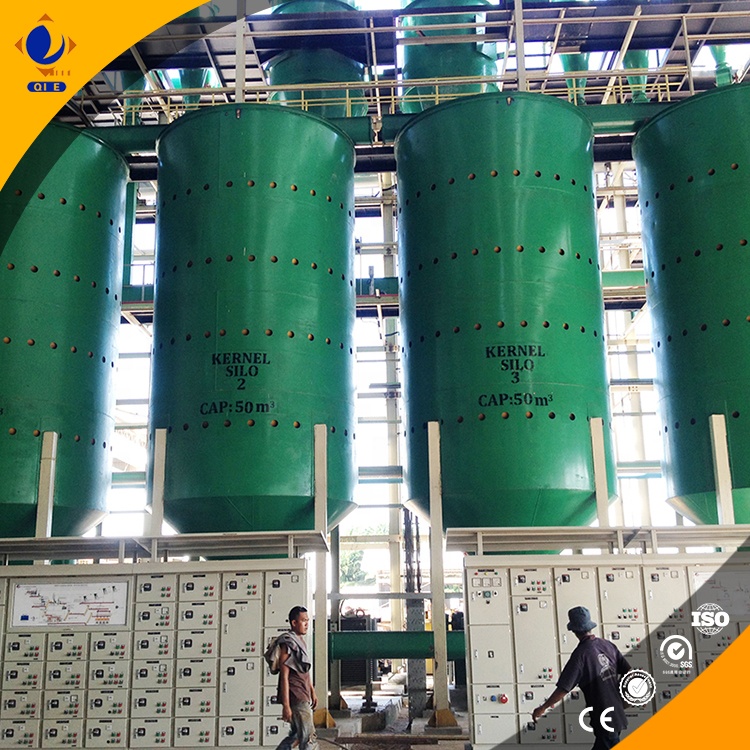
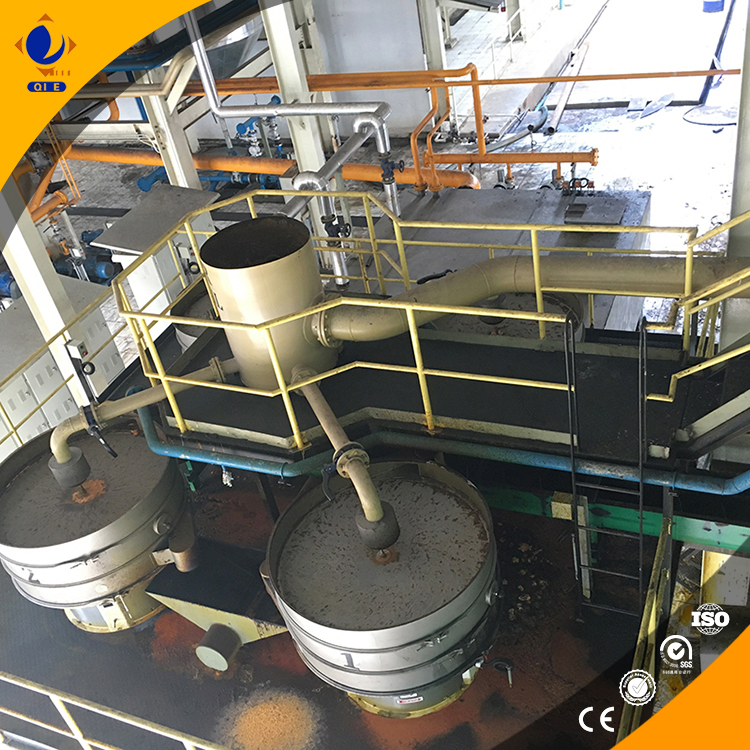
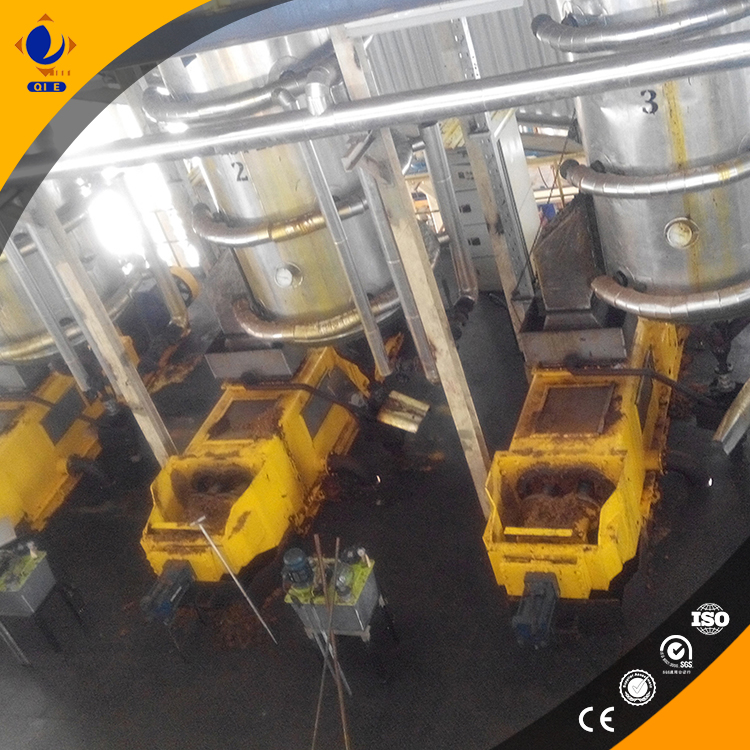
Palm oil refining is a critically intricate operation, where precision in process control ensures product quality and operational sustainability. From crude oil to consumer-grade refined oil, the refinement involves four pivotal stages: degumming, neutralization (deacidification), bleaching (decolorization), and deodorization. The nuanced management of each phase determines the final oil’s color, acidity, and odor profile, thereby directly impacting market acceptance and regulatory compliance.
Degumming targets the removal of phospholipids, mucilage, and trace impurities that can accelerate oil spoilage. Maintaining a treatment temperature between 60–70°C with precise hydration levels—commonly 3–5% water content—is essential. Overhydration risks emulsification, complicating subsequent phases, while underhydration leaves residual gums causing turbidity.
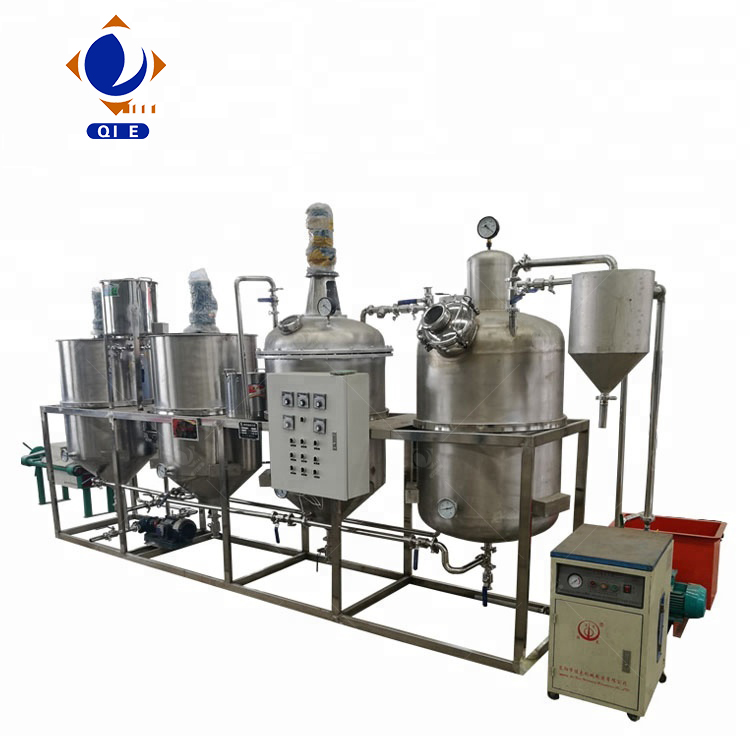
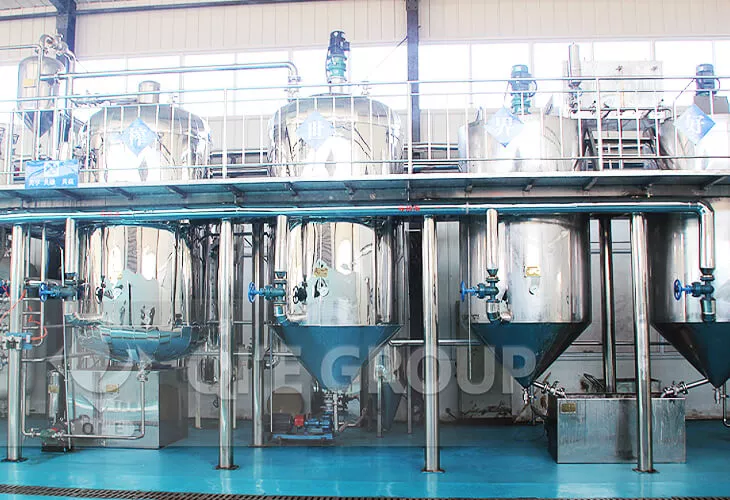
The typical phospholipid content reduction from an initial 800–1200 ppm to below 10 ppm post-degumming ensures optimized neutralization efficiency. The use of automated water dosing within industrial-scale lines, such as those manufactured by the Qeé Group employing stainless steel reactors, enhances uniformity across batches and reduces operator error.
The neutralization step involves caustic soda (NaOH) addition to react with free fatty acids, forming soaps that are subsequently separated. Controlling the NaOH concentration, typically 20–25%, and dosing at a ratio of 0.3–0.5% by oil weight ensures FFA levels drop from an initial 5–6% to less than 0.1%—a critical threshold for meeting food safety standards.
Key parameters include:
Employing Qeé Group’s automated control panels facilitates real-time monitoring of pH and temperature, enabling rapid adjustment and reducing typical acid value deviations by 15-20% compared to manual systems.
The bleaching phase uses activated clay or carbon to adsorb pigments (carotenoids, chlorophyll) and residual metals. Key variables that must be optimized include clay dosage (1.5–3% by weight) and contact temperature (95–105°C). Insufficient clay results in poor color removal, while overdosing increases oil loss and costs.
A vacuum of 50–100 mbar is critical during bleaching to minimize oxidation risk. This step's efficacy is often quantified by a L*a*b* color scale, targeting a shift in L* (lightness) by +10 units and significant reductions in a* and b* values to ensure the oil’s visual appeal.
Deodorization is usually carried out under high vacuum (1–5 mbar) and temperatures ranging from 210–250°C. The process removes volatile compounds responsible for undesirable odors and flavors such as aldehydes and ketones. Duration is generally maintained between 2 to 4 hours, balancing completeness of deodorization and mitigating thermal degradation risks.
Automated deodorizer sections integrated in modern stainless steel systems maintain consistent vacuum and steam stripping flow rates, reducing batch variability and increasing throughput by approximately 10–15%.
Manufacturers often encounter quality fluctuations such as darker-than-expected oil color or elevated free fatty acid levels due to inconsistent temperature control or deviated reagent dosing. Implementing a standard operating procedure (SOP) that includes pre-shift equipment calibration, real-time parameter logging, and immediate response protocols significantly reduces these incidents.
Using stainless steel (SS316 or higher grade) for all contact surfaces in the refining system minimizes metal contamination, which can catalyze oxidation and discoloration. Stainless steel’s corrosion resistance also supports a longer equipment lifespan and simplifies sanitary maintenance.
The integration of advanced automation control systems—featuring programmable logic controllers (PLC) and human-machine interfaces (HMI)—affords operators with comprehensive oversight. This results in reduced human error, consistent batch-to-batch quality, and optimized resource utilization. Factories employing such technology report productivity improvements of up to 12% and quality compliance rates rising beyond 98.5%.
In case of abnormal color darkening after bleaching:
For elevated acid values post-neutralization:
| Process Stage | Key Control Parameter | Optimized Range | Impact on Quality |
|---|---|---|---|
| Degumming | Hydration Water % | 3%–5% | Prevents emulsions, reduces turbidity |
| Neutralization | NaOH Dosage (% oil weight) | 0.3%–0.5% | Drops FFA below 0.1% |
| Bleaching | Activated Clay Dose | 1.5%–3% | Removes pigments and metals |
| Deodorization | Temperature & Vacuum | 210–250°C / 1–5 mbar | Eliminates off-odors and volatile compounds |

 326
|
326
|
 Small Palm Oil Refining Equipment
Oil Refining Machine for Palm Oil
High Efficiency Palm Oil Refining Equipment
Cost-Effective Palm Oil Refining Solution
Advanced Palm Oil Refining Technology
Eco-Friendly Palm Oil Refining Equipment
Reliable Palm Oil Processing Machinery
Palm Oil Refining Equipment Supplier
Automatic Control Palm Oil Refining System
Small Palm Oil Refining Equipment
Oil Refining Machine for Palm Oil
High Efficiency Palm Oil Refining Equipment
Cost-Effective Palm Oil Refining Solution
Advanced Palm Oil Refining Technology
Eco-Friendly Palm Oil Refining Equipment
Reliable Palm Oil Processing Machinery
Palm Oil Refining Equipment Supplier
Automatic Control Palm Oil Refining System
 417
|
Fully Automatic Palm Oil Pressing Machine
Palm Oil Processing Machine
High-Efficiency Palm Oil Extraction
Automated Palm Oil Production Equipment
Large-Scale Palm Oil Press
Durable Palm Oil Press Machine
ISO9001 Certified Palm Oil Equipment
Palm Oil Processing Technology
Stainless Steel Palm Oil Extractor
Palm Oil Production Solutions
417
|
Fully Automatic Palm Oil Pressing Machine
Palm Oil Processing Machine
High-Efficiency Palm Oil Extraction
Automated Palm Oil Production Equipment
Large-Scale Palm Oil Press
Durable Palm Oil Press Machine
ISO9001 Certified Palm Oil Equipment
Palm Oil Processing Technology
Stainless Steel Palm Oil Extractor
Palm Oil Production Solutions
 171
|
Energy-saving soybean processing equipment
Soybean flake equipment
Solvent extraction technology
Soybean protein retention
High-quality soybean raw materials
171
|
Energy-saving soybean processing equipment
Soybean flake equipment
Solvent extraction technology
Soybean protein retention
High-quality soybean raw materials
 153
|
mini palm oil production line equipment
efficient eco-friendly oil extraction equipment
customized palm oil processing equipment
153
|
mini palm oil production line equipment
efficient eco-friendly oil extraction equipment
customized palm oil processing equipment
 129
|
automatic palm fruit oil press line
palm kernel oil processing machine
high-efficiency palm oil production line
durable palm oil extraction equipment
energy-efficient palm oil machinery
automated palm oil production solution
ISO9001 certified palm oil press
versatile palm oil processing line
stainless steel palm oil extraction machine
129
|
automatic palm fruit oil press line
palm kernel oil processing machine
high-efficiency palm oil production line
durable palm oil extraction equipment
energy-efficient palm oil machinery
automated palm oil production solution
ISO9001 certified palm oil press
versatile palm oil processing line
stainless steel palm oil extraction machine