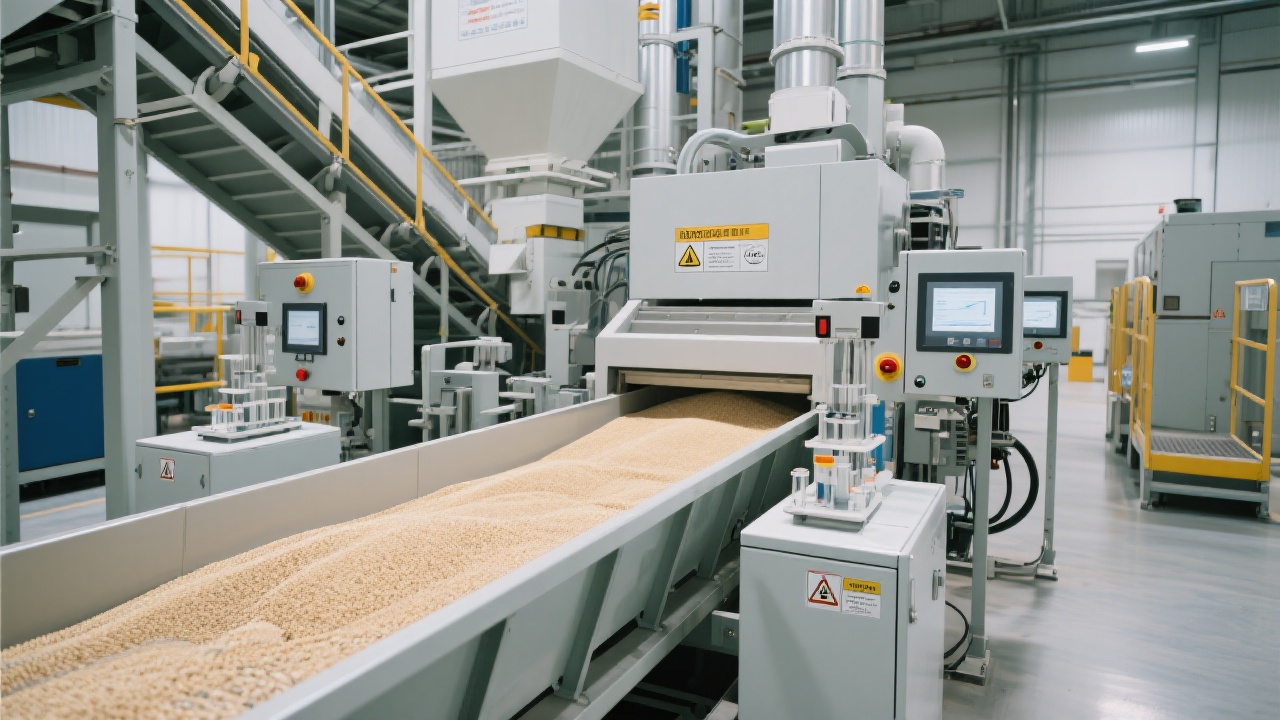
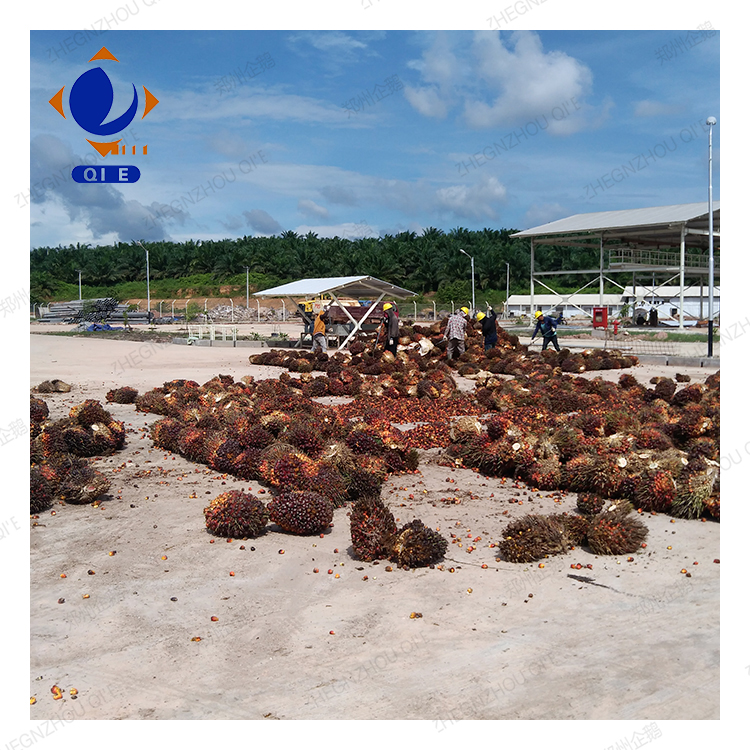
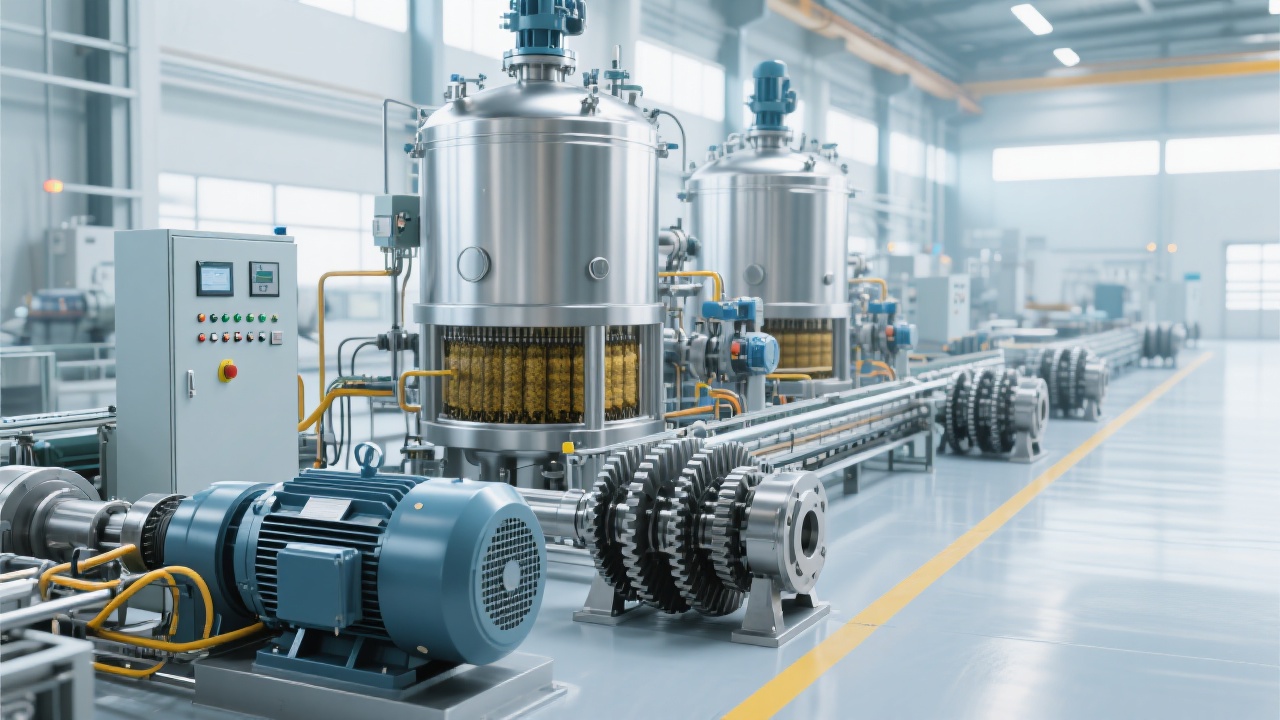
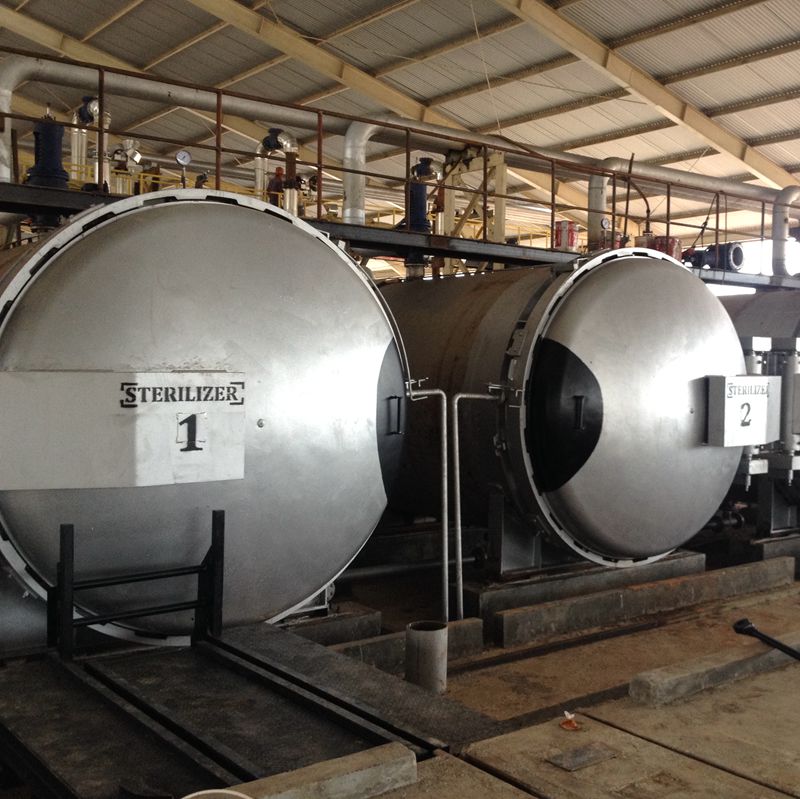
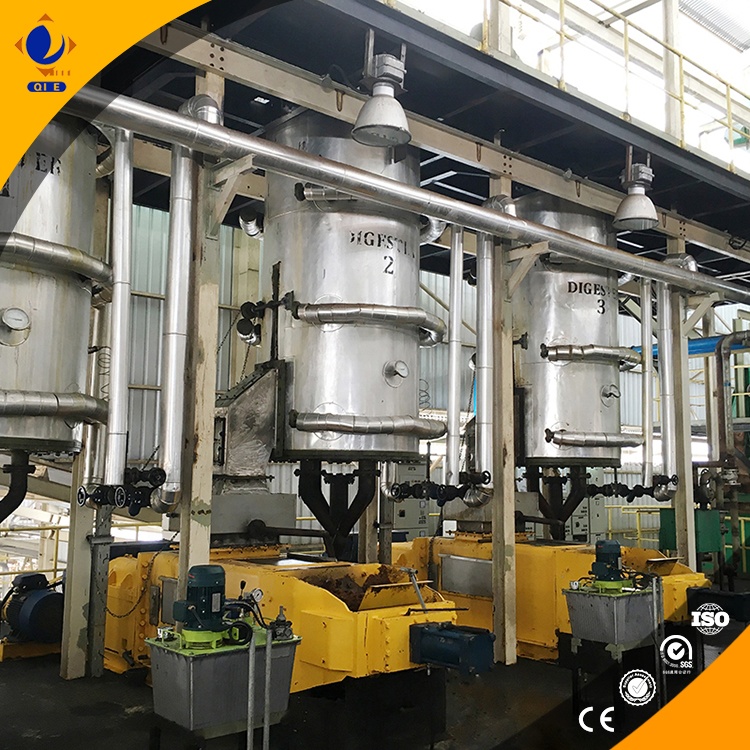
Palm oil refining is a complex yet crucial process that determines the quality and marketability of the final product. This article delves deep into the entire refining process, covering key aspects from degumming and deacidification to bleaching and deodorization.
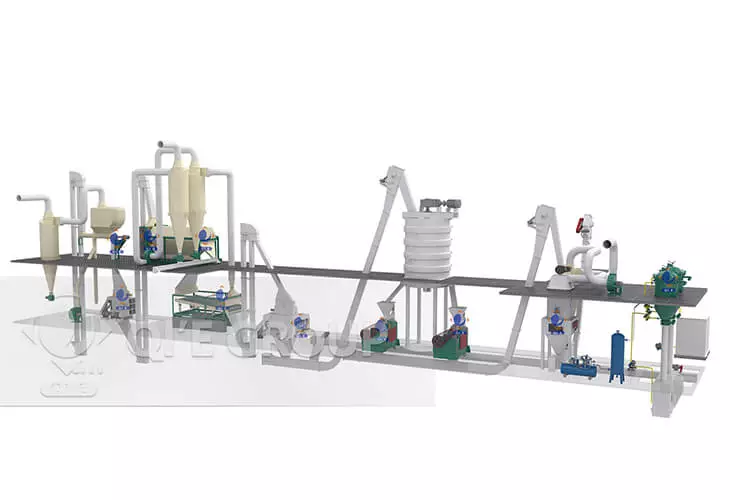
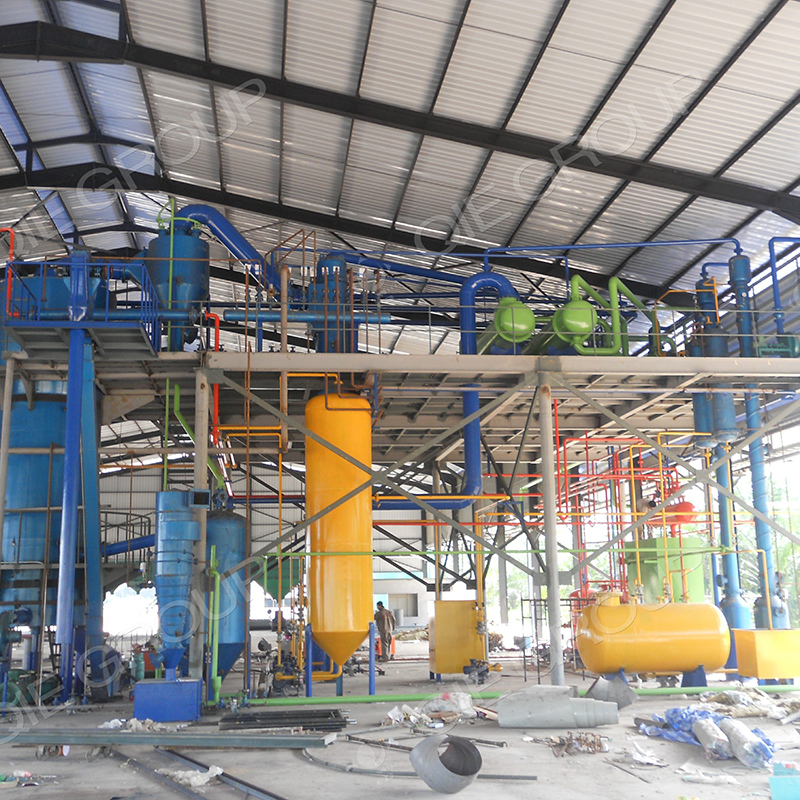
The refining process of palm oil consists of four core processes: degumming, deacidification, bleaching, and deodorization. Each process has its own set of technical parameters that significantly impact the product quality.
For example, during the degumming process, the temperature is usually controlled at around 60 - 70°C, and the dosage of phosphoric acid is about 0.1 - 0.3% of the oil weight. Proper control of these parameters can effectively remove impurities such as phospholipids from the crude palm oil. In the deacidification process, the temperature ranges from 70 - 90°C, and the amount of sodium hydroxide used for neutralization depends on the free fatty acid (FFA) content of the oil. Generally, for every 1% increase in FFA, an additional 0.1 - 0.2% of sodium hydroxide is required.
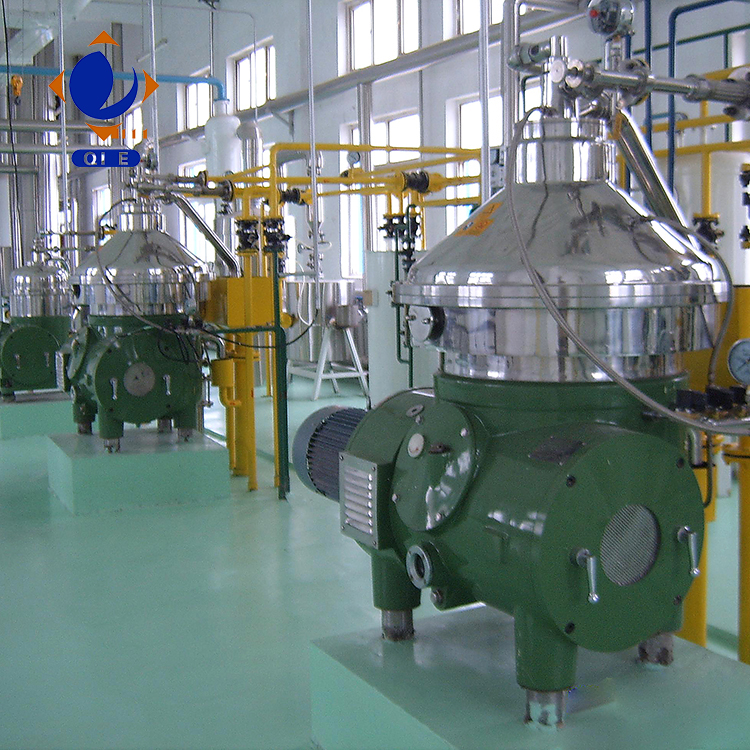
The bleaching process aims to remove pigments and other impurities from the oil. The temperature is typically maintained at 90 - 110°C, and the dosage of bleaching earth is about 1 - 3% of the oil weight. Finally, in the deodorization process, a high - temperature and high - vacuum environment is required. The temperature can reach 230 - 260°C, and the vacuum degree is less than 2 mbar. These conditions help to remove odorous substances and volatile components from the oil.
Common quality problems in palm oil refining include abnormal color and excessive FFA content. Abnormal color, such as a deep - colored oil, may be caused by improper control of the bleaching process, such as insufficient dosage of bleaching earth or incorrect temperature. To address this issue, the dosage of bleaching earth can be increased, and the temperature can be adjusted within the appropriate range.
Excessive FFA content is often due to incomplete deacidification. It may be necessary to check the dosage of sodium hydroxide and the reaction time. If the FFA content is still high after the first deacidification, a second deacidification step can be considered.
| Quality Problem | Possible Causes | Solutions |
|---|---|---|
| Abnormal Color | Insufficient bleaching earth dosage, incorrect temperature | Increase bleaching earth dosage, adjust temperature |
| Excessive FFA | Incomplete deacidification | Check sodium hydroxide dosage, consider second deacidification |
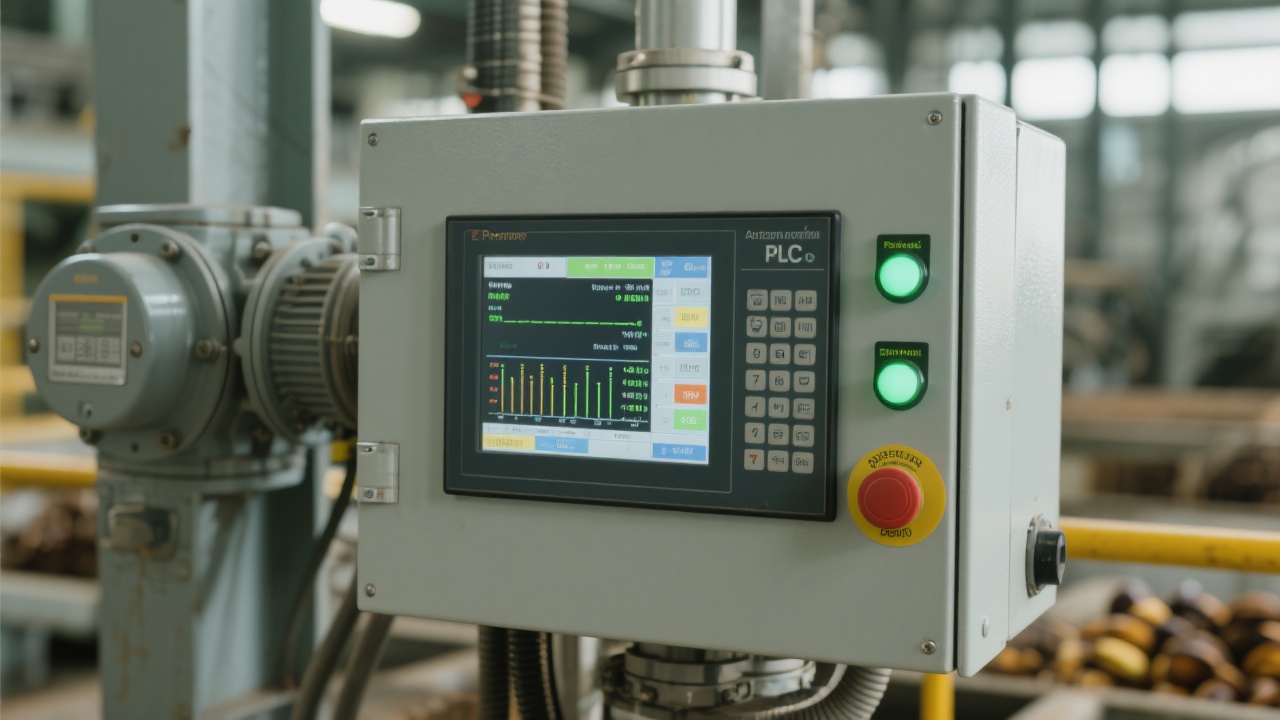
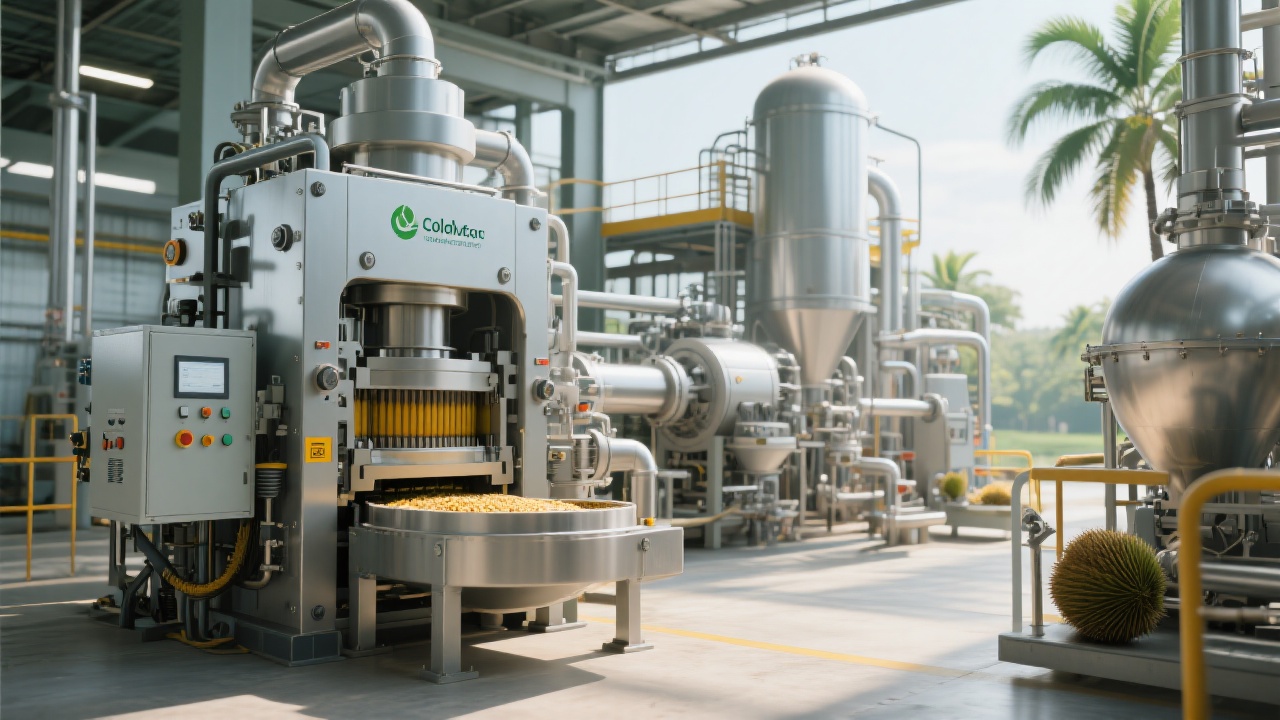
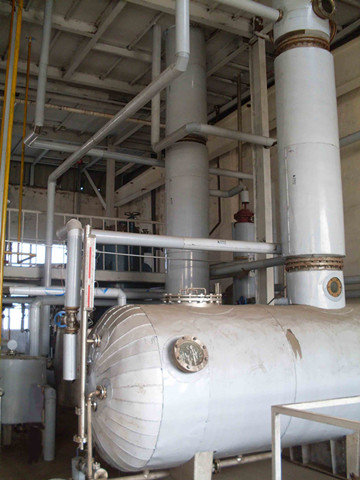
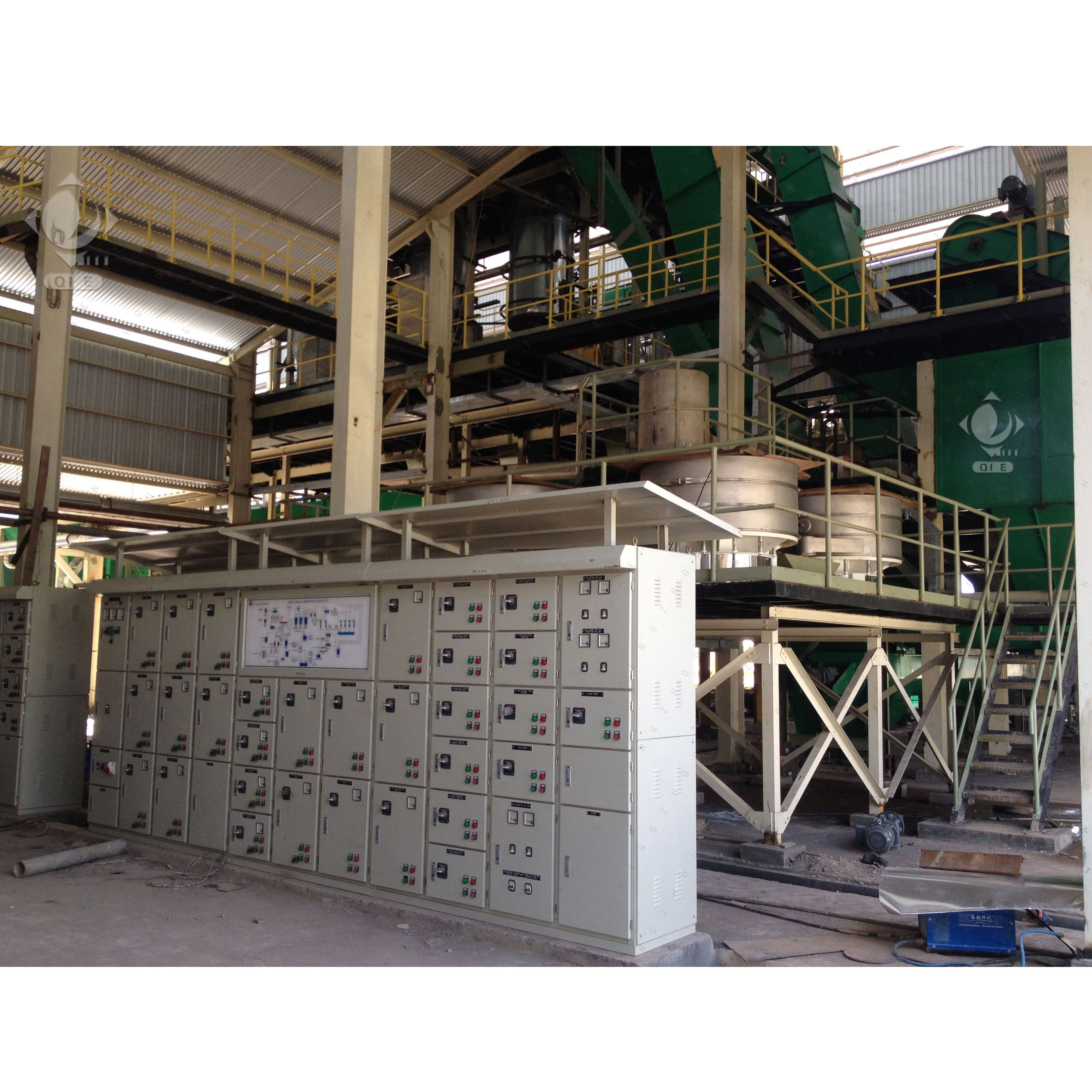
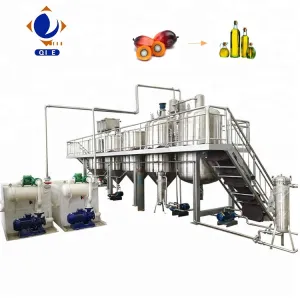
QIE Group refining equipment uses 304 stainless steel, which has excellent anti - pollution properties. Stainless steel can prevent metal contamination during the refining process, ensuring the purity and safety of the palm oil. Additionally, the company's automated control system plays a crucial role in ensuring product consistency.
An example of a real - world case shows that with the use of QIE Group automated system, the batch - to - batch variation of palm oil quality has been reduced from about 5% to less than 1%. This significant improvement in consistency helps customers meet strict market requirements and enhances their competitiveness.
Based on years of industrial practice, establishing a standardized operation process is essential for optimizing production efficiency and quality control. This includes setting clear operating procedures for each process, regular equipment maintenance, and staff training.
"Standardized operation is the key to stable product quality in palm oil refining. It reduces human errors and ensures that each batch of products meets the set quality standards," said an industry expert.
We encourage you to leave your questions and comments below. Our team of experts will be happy to answer them and help you solve any problems you may encounter in palm oil refining.
If you need customized process support for palm oil refining, please contact us to get a专属技术方案.

 110
|
110
|
 Crude Palm Oil Refining Plant Equipment
Oil Refining Machine
Efficient Palm Oil Processing Equipment
Advanced PLC Controlled Oil Refining
Energy Efficient Palm Oil Refining Plant
Customizable Refining Equipment
Durable Palm Oil Processing Machinery
Environmentally Friendly Oil Refining Solutions
ISO Certified Palm Oil Equipment
Automated Palm Oil Refining Machines
Crude Palm Oil Refining Plant Equipment
Oil Refining Machine
Efficient Palm Oil Processing Equipment
Advanced PLC Controlled Oil Refining
Energy Efficient Palm Oil Refining Plant
Customizable Refining Equipment
Durable Palm Oil Processing Machinery
Environmentally Friendly Oil Refining Solutions
ISO Certified Palm Oil Equipment
Automated Palm Oil Refining Machines
 478
|
1-50TPD Small Palm Oil Refinery Plant
1-50TPD Palm Oil Refining Machine
Small Palm Oil Refiner
478
|
1-50TPD Small Palm Oil Refinery Plant
1-50TPD Palm Oil Refining Machine
Small Palm Oil Refiner
 101
|
seed preprocessing production line
edible oil production efficiency
oilseed processing technology
101
|
seed preprocessing production line
edible oil production efficiency
oilseed processing technology
 34
|
High-tech palm oil deodorization processing equipment
Oil refining machine for palm oil
Energy-efficient palm oil processing equipment
304 stainless steel palm oil equipment
ISO9001:2000 compliant palm oil production
Quick delivery palm oil processing equipment
Comprehensive support for palm oil equipment
Palm oil extraction technology
High-performance palm oil refining machine
34
|
High-tech palm oil deodorization processing equipment
Oil refining machine for palm oil
Energy-efficient palm oil processing equipment
304 stainless steel palm oil equipment
ISO9001:2000 compliant palm oil production
Quick delivery palm oil processing equipment
Comprehensive support for palm oil equipment
Palm oil extraction technology
High-performance palm oil refining machine
 477
|
Small High Yield Palm Kernel Oil Extraction Machine
Palm Oil Processing Machine
High Efficiency Palm Kernel Oil Extraction
Fully Automated Palm Kernel Oil Mill
Palm Kernel Oil Expeller with Backup Power
ISO9001 Certified Palm Kernel Oil Machine
Palm Oil Production Equipment
Palm Kernel Oil Extraction for Small Enterprises
Palm Oil Manufacturing Equipment
Quality Palm Kernel Oil Extraction Systems
477
|
Small High Yield Palm Kernel Oil Extraction Machine
Palm Oil Processing Machine
High Efficiency Palm Kernel Oil Extraction
Fully Automated Palm Kernel Oil Mill
Palm Kernel Oil Expeller with Backup Power
ISO9001 Certified Palm Kernel Oil Machine
Palm Oil Production Equipment
Palm Kernel Oil Extraction for Small Enterprises
Palm Oil Manufacturing Equipment
Quality Palm Kernel Oil Extraction Systems