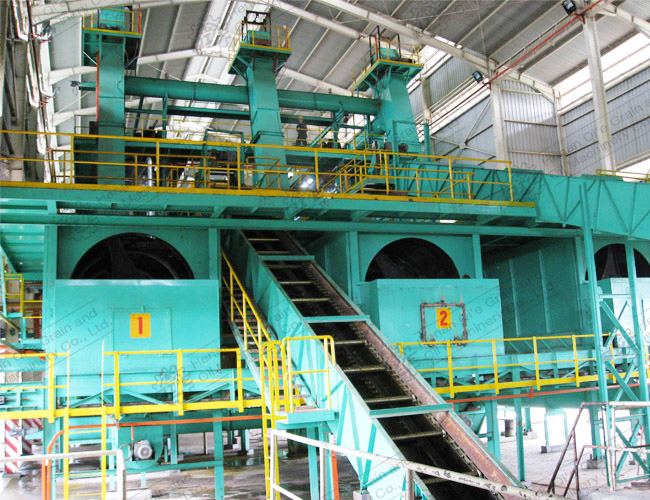
For palm oil producers aiming to meet global food safety standards and reduce batch-to-batch variability, understanding the full refining process—from crude oil to finished product—is essential. According to industry data, up to 30% of quality deviations in edible oils stem from inconsistent operational practices rather than raw material issues.
The four core stages—degumming, neutralization (deacidification), decolorization, and deodorization—each require precise control over temperature, vacuum levels, and chemical dosing:
“Inconsistent parameters during deodorization are the leading cause of off-flavors and oxidation instability in palm oil,” says Dr. Lin Wei, a senior process engineer at Pengyu Group. “Automation doesn’t just improve efficiency—it locks in consistency.”
When faced with color anomalies or elevated FFA levels, operators often overlook subtle deviations in timing, temperature drifts, or improper additive mixing. A real-world case study from a Malaysian refinery shows that implementing daily parameter checks reduced rework by 42% within three months.
For example, if the final oil has an amber hue instead of clear golden-yellow, it may indicate:
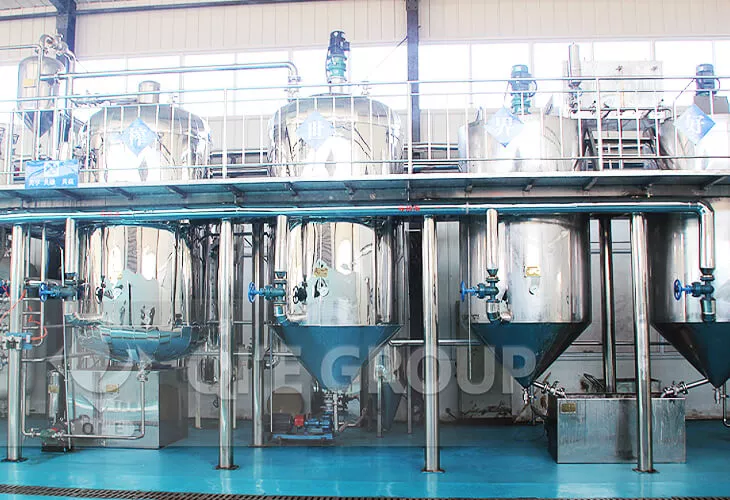
Using 304-grade stainless steel vessels eliminates iron and copper leaching—a known contributor to oxidative degradation. In one comparative test, refineries using automated control systems saw 68% fewer batch rejects compared to manual operations, as per a 2023 report by the International Oleochemical Association.
Automation also reduces human error in critical steps like alkali dosing and vacuum ramp-up. This is especially crucial when scaling production without sacrificing quality—something many small-to-mid-sized mills struggle with.
Based on field experience across Asia, Africa, and South America, here’s how to build an effective Standard Operating Procedure (SOP):
Our fully automated refining line + standardized operating manual helps you eliminate variability and boost customer trust.
Get Your Free SOP Template Now
 279
|
279
|
 small palm oil refining machine
1-50TPD palm oil processor
automated palm oil refining technology
small palm oil refining machine
1-50TPD palm oil processor
automated palm oil refining technology
 346
|
cold pressing palm oil
palm oil quality improvement
temperature control in oil extraction
palm fruit processing technology
sustainable palm oil production
346
|
cold pressing palm oil
palm oil quality improvement
temperature control in oil extraction
palm fruit processing technology
sustainable palm oil production
 251
|
Palm Oil Pressing Refining Equipment
Palm Oil Processing Machinery
High Efficiency Palm Oil Equipment
Automatic Palm Oil Refining Machine
Palm Oil Production Equipment
ISO9001 Certified Palm Oil Equipment
Stainless Steel Palm Oil Pressing Equipment
Compact Palm Oil Processing Machine
High Capacity Palm Oil Equipment
251
|
Palm Oil Pressing Refining Equipment
Palm Oil Processing Machinery
High Efficiency Palm Oil Equipment
Automatic Palm Oil Refining Machine
Palm Oil Production Equipment
ISO9001 Certified Palm Oil Equipment
Stainless Steel Palm Oil Pressing Equipment
Compact Palm Oil Processing Machine
High Capacity Palm Oil Equipment
 132
|
Mini Palm Oil Refining Machine
PLC-Controlled Palm Oil Equipment
Small Scale Palm Oil Processing
132
|
Mini Palm Oil Refining Machine
PLC-Controlled Palm Oil Equipment
Small Scale Palm Oil Processing
 352
|
small oil pressing equipment
palm oil oil yield
hot - cold pressing technology
304 stainless steel equipment
palm oil production line
352
|
small oil pressing equipment
palm oil oil yield
hot - cold pressing technology
304 stainless steel equipment
palm oil production line





.jpg)