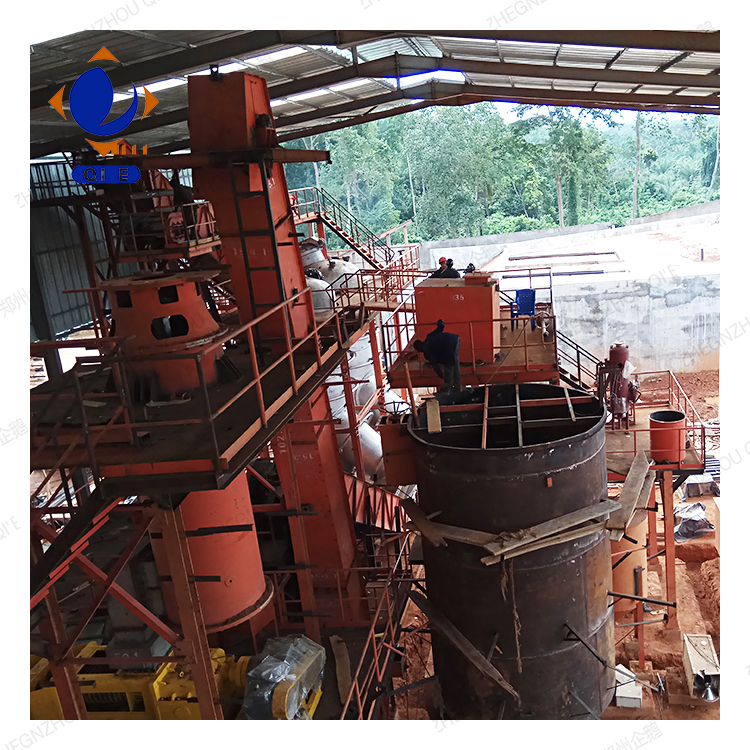
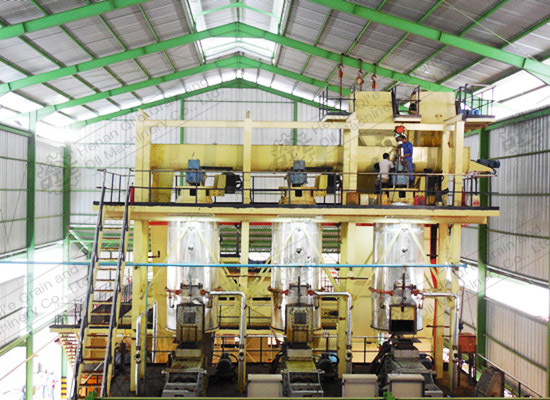
This article provides a practical, end-to-end analysis of palm oil processing with a clear focus on increasing oil extraction yield while maintaining consistent product quality. It breaks down the complete workflow into six core stages—from fresh fruit bunch handling and sterilization to digestion, pressing, clarification, and final refining—highlighting the critical control points that most directly impact yield, losses, and oil stability. Special attention is given to automated pressing systems, comparing functions and performance across different plant capacities to support evidence-based equipment selection and line configuration. Using real-world factory scenarios, the article also addresses common operational bottlenecks such as press choking, emulsification during oil–water separation, and oxidation risks, offering actionable troubleshooting strategies and parameter-adjustment guidance. The key message is that automation can boost efficiency and product quality while enabling cost control and a stronger competitive position—an approach aligned with Penguin Group’s engineering mindset for scalable, reliable production.
Intro Box: Why “Oil Extraction Rate” Is the KPI That Decides Profit
In palm oil milling, the difference between an average and a high-performing line often comes down to small, controllable losses: unsterilized fruit, weak digestion, press choke, poor oil–water separation, and oxidation during clarification. For most mills, improving OER (Oil Extraction Rate) by 0.8–1.5 percentage points is realistic within one production season when process discipline and automation-enabled equipment are applied correctly—without compromising CPO quality. This article maps the full process and provides a practical framework for palm oil processing equipment selection by capacity and risk points, helping engineering and operations teams balance efficiency, oil quality, and cost control.
Palm Oil Processing Flow: 6 Steps From Fresh Fruit Bunch to Refined Oil
The palm oil production process is often described as “simple,” yet most yield losses happen at interfaces between steps. A line that is stable at every handover point—steam to digestion, digestion to pressing, pressing to clarification—will consistently outperform a line chasing peak tonnage.
Process Flow Chart (Text-Based)
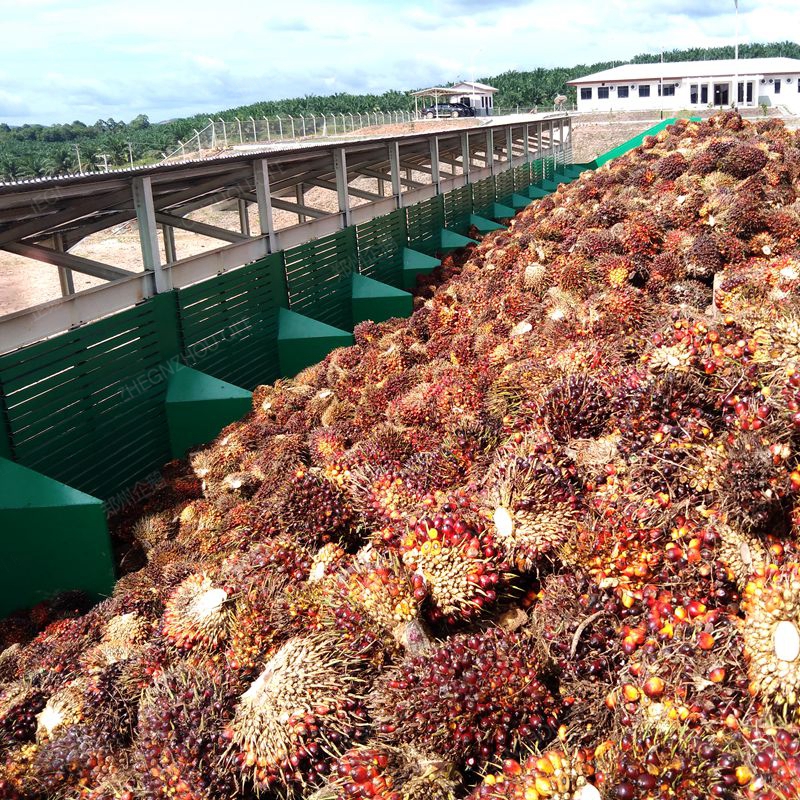
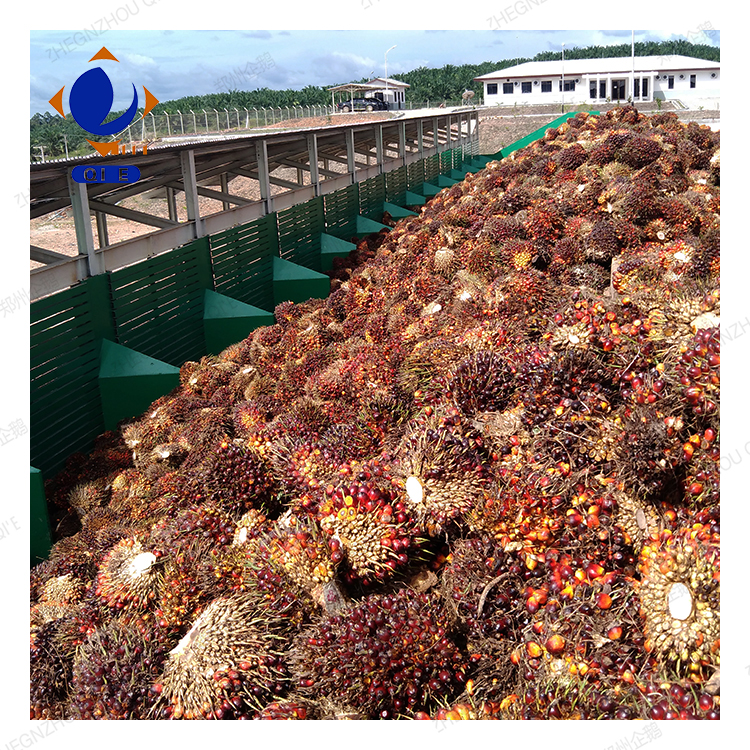
1) Reception & Grading → ripeness control, fast turnaround
Mills that tighten fruit grading frequently see immediate improvement in both yield and stability. Typical field observations: under-ripe fruit increases press losses, while over-ripe fruit elevates FFA due to lipase activity and bruising.
Practical targets used in many operations: keep time from harvest to sterilization ideally within 24 hours; reduce empty/loose fruits loss with clean handling and controlled loading heights; standardize sampling so the plant isn’t optimizing on “best-case batches.”
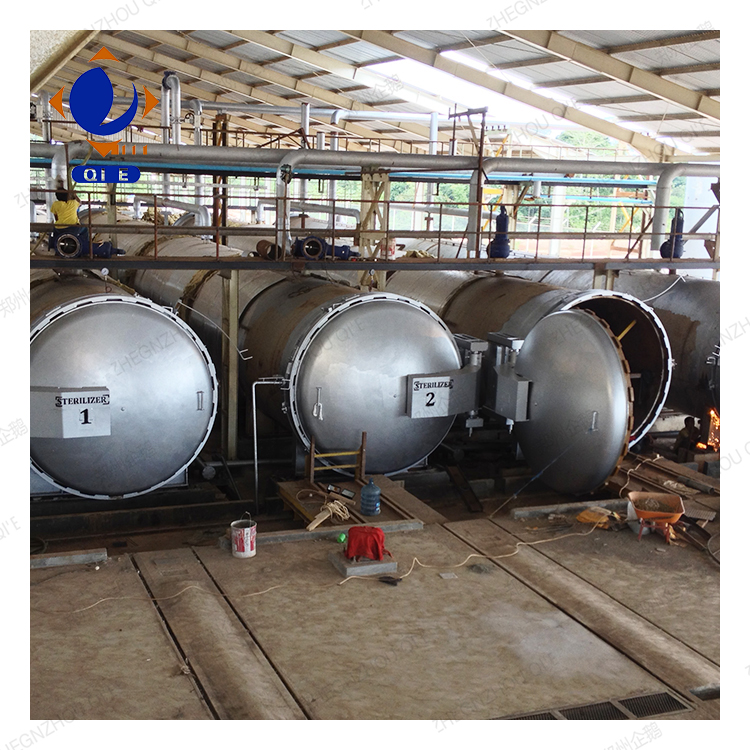
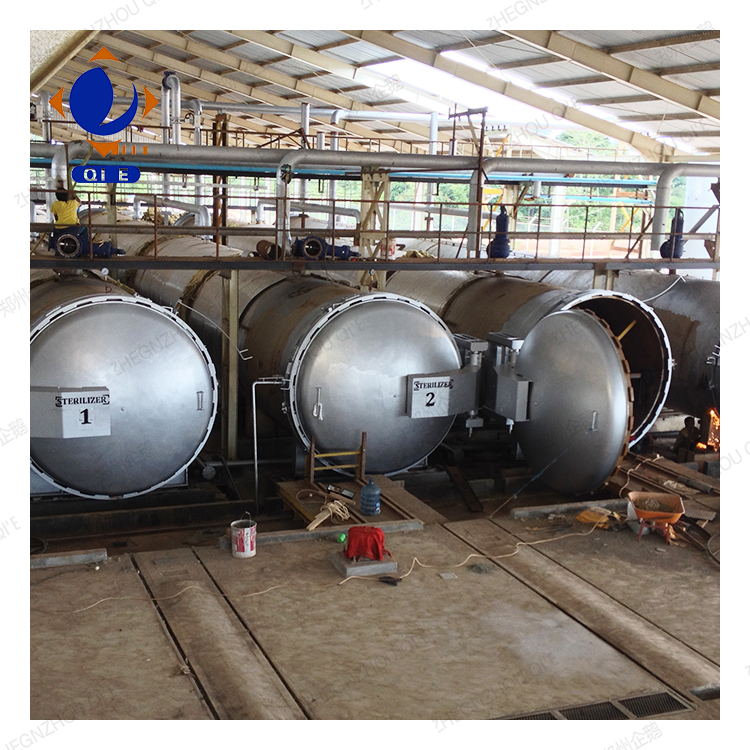
2) Sterilization: The Real Job Is Enzyme Shutdown + Fruit Loosening
Sterilization is not just “cooking.” It’s a controlled heat/steam treatment to stop lipase (protecting FFA), soften mesocarp, and support effective stripping and digestion. In practice, inconsistent steam quality causes downstream problems that look like press issues.
Many mills operate with sterilizer temperatures around 130–140°C under pressure for a defined holding time based on bunch size and load. When under-sterilized, digestion must work harder and press choke becomes more likely; when overdone, the mash can become overly soft and create emulsions that complicate separation.
3) Threshing & Digestion: Condition the Mash, Don’t Just “Stir It”
Digestion performance largely determines pressing stability. The operational goal is uniform mash: adequate rupture of oil-bearing cells while keeping fiber length and viscosity within a press-friendly window.
Good plants treat digestion like a measurable unit operation: controlled temperature (commonly near 90–100°C), consistent residence time, and properly sized paddles/shafts. When automation is added (temperature loops, torque monitoring, interlocks with press feed), yield becomes repeatable instead of operator-dependent.
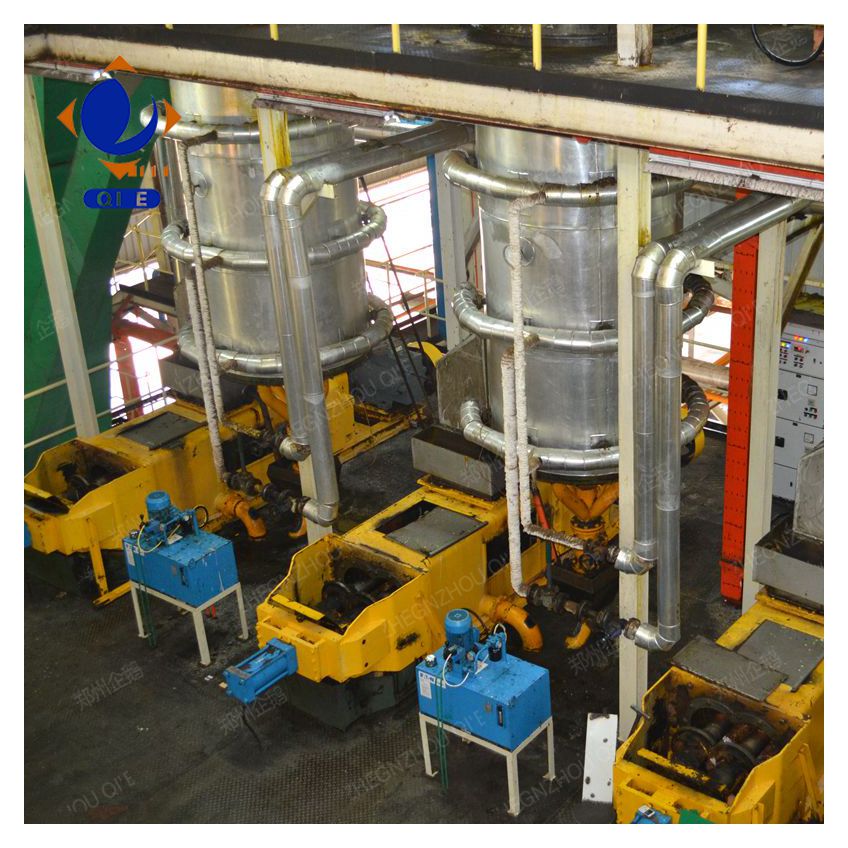
4) Pressing: Where Automation Creates the Fastest Yield Payback
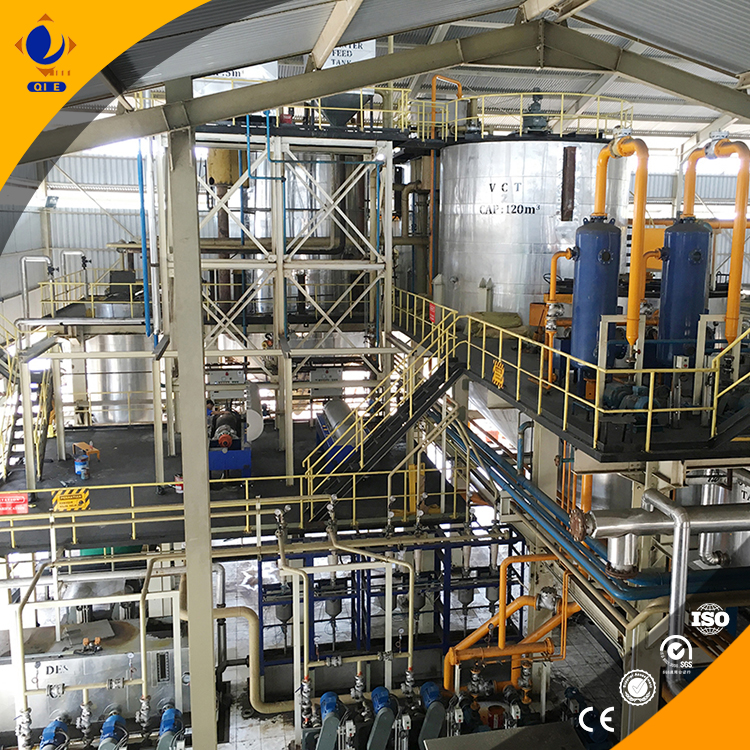
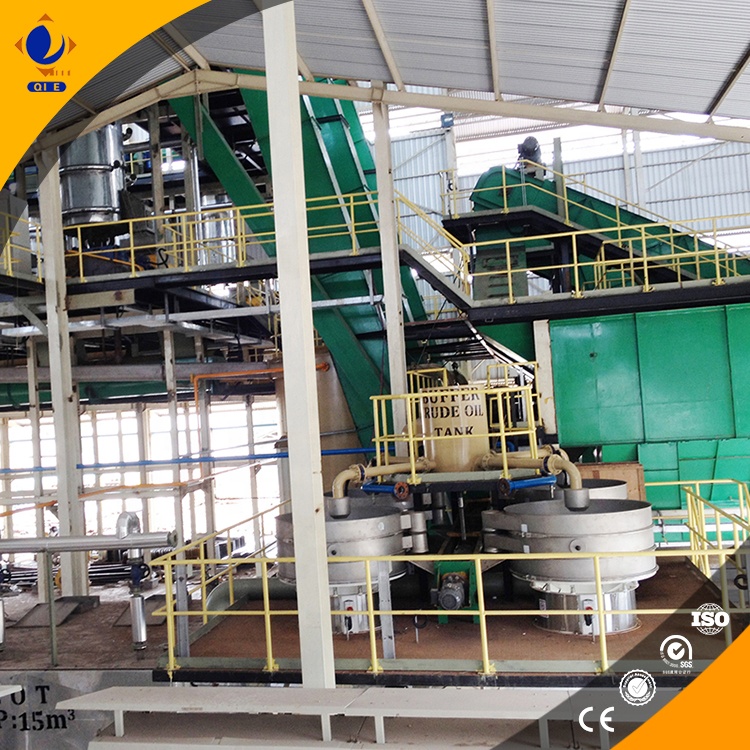
Pressing is the heart of oil recovery. The best-performing mills treat the screw press as a controlled system, not a “mechanical black box.” A stable press reduces oil losses in cake and prevents excessive fines that later increase sludge load.
A common benchmark in the industry is to keep oil in press cake around 4–6% (method-dependent). Plants with frequent choke events often show higher losses and lower uptime, creating a double hit to profitability.
Clarification is where recoverable oil is often lost as sludge, and where quality can degrade if temperature, residence time, and oxygen exposure are poorly managed. A well-designed system aims to maximize oil recovery while minimizing emulsion formation.
Practical engineering measures include stable heating control, staged separation (screening → settling/clarifier → centrifuge where applicable), and reduced air entrainment at pumps and transfer points. In real plants, improving separation discipline frequently adds 0.2–0.6% OER by reducing oil carryover in wastewater and sludge streams.
6) Purification & Refining: Stabilize Quality for Real Market Advantage
Even at the awareness stage, procurement teams evaluate whether a supplier can maintain consistent specs. Basic purification (drying/filtration) and refining steps (degumming, bleaching, deodorization depending on target product) protect appearance, odor, and shelf life.
The operational mindset is simple: avoid unnecessary heat history, minimize oxygen pickup, and use consistent filtration media management. These practices reduce rework and returns—an often-overlooked “hidden cost” in export-oriented supply chains.
Automation Pressing Equipment: How to Choose by Plant Scale
Choosing automated pressing equipment should start from production scale and the plant’s tolerance for downtime, labor variability, and quality risk. The guiding rule is not “more automation is always better,” but rather: automation should remove the biggest repeatability bottleneck.
Data Comparison Table: Typical Options vs. Real Operating Outcomes
Plant Scale
Recommended Pressing Setup
Automation Features That Matter
Expected Impact (Reference)
Risk If Under-Specified
Small ~5–15 t FFB/h
Single screw press + stable digester; focus on reliability
Motor load display, temperature loop at digester, basic interlocks
Uptime improvement +5–10%; OER +0.3–0.8%
Frequent choke, operator-driven variability, high oil-in-cake
Medium ~15–45 t FFB/h
Dual press train (N+1 philosophy) to reduce downtime losses
Torque/pressure feedback, auto feed rate tuning, alarms & trend logs
OER +0.6–1.2%; lower maintenance shock events
Bottleneck at pressing; quality drift during shift changes
Large ~45–90+ t FFB/h
Multi-press line with centralized control; robust separation downstream
SCADA integration, recipe control, predictive maintenance on wear parts
OER +1.0–1.5%; manpower reduction 10–25%
Compounding losses across shifts; separation overload; oxidation risk
Reference ranges vary by fruit quality, sterilization stability, and maintenance discipline. Use these as planning numbers for feasibility discussions.
For many mills, the strategic advantage comes from one message that resonates with both operations and sales: automated equipment improves efficiency and product quality, enabling cost control and a dual leap in market competitiveness. That statement becomes true only when automation is paired with correct mechanical sizing, robust separation, and disciplined operating procedures.
Common Bottlenecks (and Fixes) Engineers Actually Use
Typical symptoms: motor load spikes, sudden throughput drops, wetter cake, frequent operator intervention. Root causes often trace back to digestion inconsistency, unbalanced feed surges, or worn cage/screw elements.
Stabilize digester temperature and residence time before “tuning” the press.
Add/enable torque-based feed control to prevent surge feeding.
Implement wear checks on screw flights and press cage at fixed hour intervals; treat wear as a yield variable.
Bottleneck B: Oil Loss in Sludge / Poor Oil–Water Separation
Typical symptoms: higher oil in effluent, unstable clarifier interface, frequent skimming adjustments. Root causes include high fines, emulsions, inconsistent heating, and air entrainment.
Reduce fines at the source: avoid over-aggressive digestion and maintain press screening.
Control temperatures consistently through clarification; avoid “hot-cold-hot” cycling that encourages emulsion formation.
Check pump suction design and seals to minimize air pickup—oxidation and separation problems often travel together.
Bottleneck C: Oil Oxidation / Quality Drift During Holding and Transfer
Typical symptoms: darker oil, faster rancidity development, customer complaints about odor or stability. Root causes often relate to oxygen exposure, excessive residence time at elevated temperature, or poor housekeeping in tanks and pipes.
Shorten high-temperature holding time; align transfer schedule with production rhythm.
Use closed transfers where possible; reduce splashing and open-surface circulation.
Standardize cleaning cycles—old residues can accelerate oxidation.
A Practical Selection Checklist for Palm Oil Processing Equipment
From a buyer’s perspective, the “best” line is the one that runs predictably with local maintenance capability and produces stable specs. For engineering teams, the most useful questions are measurable:
Capacity fit: Can the press train handle peak FFB without forcing short-cuts in sterilization or digestion?
Automation scope: Are torque/load trends logged and actionable, or only displayed?
Wear strategy: Are spare parts standardized and lead times predictable?
Separation resilience: Can clarification handle higher fines during seasonal fruit variation?
Quality protection: Are transfer points designed to minimize oxygen exposure and uncontrolled cooling?
For companies building market credibility, these details matter as much as nameplate capacity—because repeatability is what buyers interpret as “supplier reliability.”
Ready to Improve Oil Extraction with the Right Automation Setup?
Penguin Group supports mills with capacity-matched solutions—from digestion and automated pressing to oil–water separation and process optimization—so teams can lift efficiency and product quality while keeping operating costs under control.
Typical deliverables: line layout suggestions, capacity matching, bottleneck diagnosis checklist, and configuration recommendations for stable OER improvement.
2026-01-12|296|Palm oil refining process Degumming and deacidification technology Process parameter control Quality fluctuation troubleshooting Automated oil extraction equipment
2026-01-22|411|Small and medium - scale palm oil equipment selection Fully automatic oil press comparison Palm fruit pressing production line Palm oil production equipment maintenance Automated oil pressing solutions