https://shmuker.oss-cn-hangzhou.aliyuncs.com/data/oss/65b068c3c2e9735675cac322/65b46cb67cfeb5177346777c/20240426173741/未标题-1_画板%201.png

Enhancing Stability of Palm Oil Pressing Lines with PLC Automation: Industrial Sensor Applications in Feeding and Oil-Water Separation
2025-11-04
QI ' E Group
Application Tips
This article provides an in-depth analysis of how PLC automation optimizes the stability of palm oil pressing lines by integrating advanced control logic. It details the strategic deployment of industrial sensors—including pressure, temperature, and flow sensors—at critical process nodes such as feeding and oil-water separation. Through real-world case studies, the paper illustrates the implementation of automatic parameter adjustments, fault warning systems, and remote monitoring to significantly reduce downtime, improve unit capacity, and enhance energy efficiency (electricity consumption per ton of oil ≤22 KWH). The content combines technical rigor and practical insights, making it a valuable reference for small and medium-sized oil processing enterprises planning equipment upgrades.
https://shmuker.oss-accelerate.aliyuncs.com/data/oss/common/20240703104559/20240703/b5fa99a6a7750544ea08b0d89fe2c57d.jpg

Enhancing Stability in Palm Oil Pressing Lines Through PLC Automation

The integration of Programmable Logic Controllers (PLC) in palm oil pressing lines marks a technological leap for mid-sized oil producers aiming for operational excellence. By harnessing PLC automation, manufacturers can streamline key processes such as feeding, pressing, and oil-water separation, achieving remarkable stability and efficiency improvements while reducing downtime.

Core PLC Control Logic and Optimization Methods

At the heart of the palm oil production line lies the PLC control system, orchestrating real-time data processing and adaptive parameter adjustments. The system monitors sequential phases:

  • Feeding: Regulates the raw fruit's inflow consistency to prevent blockages and ensure smooth compression.
  • Pressing: Maintains optimal pressure and temperature parameters to maximize oil yield while minimizing mechanical stress.
  • Oil-Water Separation: Controls flow rates and separation mechanics to enhance purity and throughput.

Using predefined logical sequences, PLCs accommodate fluctuations in raw material characteristics and environmental factors, automatically adjusting outputs to preserve line stability.

Industrial Sensor Deployment and Smart Feedback Mechanisms

Key to this automation are industrial-grade sensors that feed accurate, high-frequency data into the PLC. Typical sensor arrays include:

Sensor Type Application Point Functionality
Pressure Sensor Pressing Chamber Monitors and controls pressing force to prevent over-exertion and mechanical failure.
Temperature Sensor Crushing and Heating Units Ensures temperature remains within optimal range to improve oil quality and yield.
Flow Rate Sensor Oil-Water Separation Stage Tracks separation fluid velocity for enhanced separation efficiency and consistency.

These sensors enable closed-loop feedback control, allowing the PLC system to recalibrate machine setpoints dynamically, detect anomalies early, and trigger alerts for predictive maintenance.

Real-World Impact: Energy Efficiency and Throughput Gains

Recent deployments in commercial settings demonstrate the tangible benefits of PLC-driven automation:

  • Energy consumption per ton of processed palm fruit reduced to ≤ 22 kWh— a critical benchmark for cost control and sustainability.
  • Production line uptime increased by up to 12%, directly correlating with higher daily oil output.
  • Reduction in unplanned downtime due to mechanical faults through early warning alarms and remote diagnostics.

Industry Case Insight: A mid-scale Southeast Asian palm oil mill integrated PLC automation and sensor feedback, achieving a 7% increase in oil yield while cutting maintenance costs by 15% within the first year.
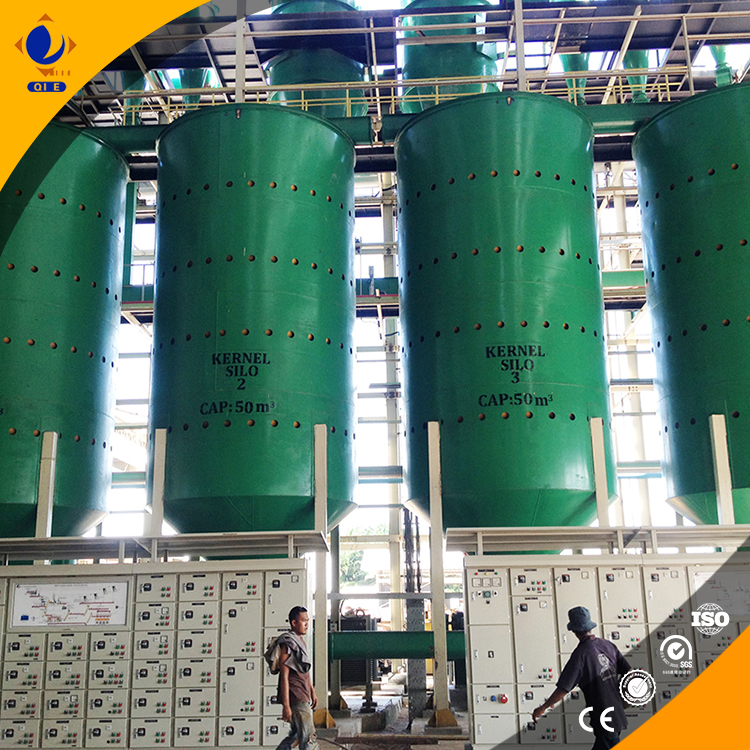
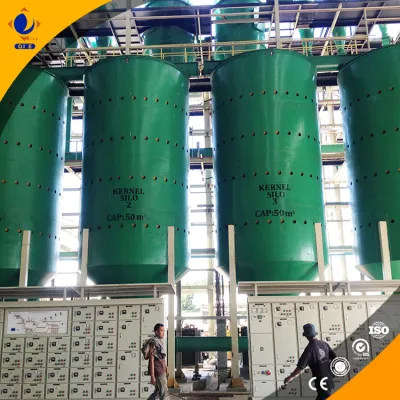
PLC system architecture and sensor deployment in palm oil pressing line

Technical Selection Guidelines for Mid-Sized Enterprises

For mid-sized palm oil producers targeting automation upgrades, the following criteria are essential:
  • Compatibility: Ensure the PLC supports integration with existing machinery and standard industrial sensor protocols (e.g., 4-20mA, Modbus).
  • Ease of Maintenance: Modular components and transparent firmware facilitate quick troubleshooting and reduce downtime.
  • Operator Training: Invest in targeted coaching on PLC interfaces and sensor calibration to empower onsite teams for autonomous system management.
  • Remote Monitoring Capability: Cloud-enabled PLC solutions allow offsite experts to monitor system status, accelerating response times during contingencies.
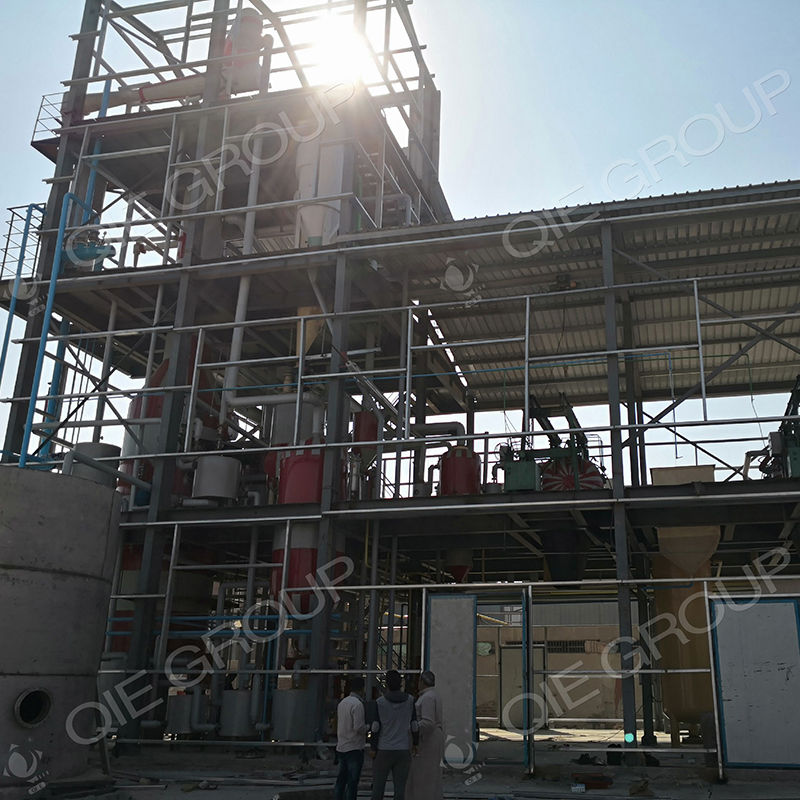
Workflow diagram illustrating PLC automation in feeding, pressing, and oil-water separation stages

Future Trends: Predictive Maintenance and Global Support

The industry is progressively shifting toward predictive maintenance bolstered by AI-powered analytics layered on sensor data streams, reducing costly downtime further. Cloud-based dashboards accessible via mobile devices enable plant managers to gauge system health anytime, anywhere. Moreover, reliable global support and extended warranties reinforce confidence during the technological transition.
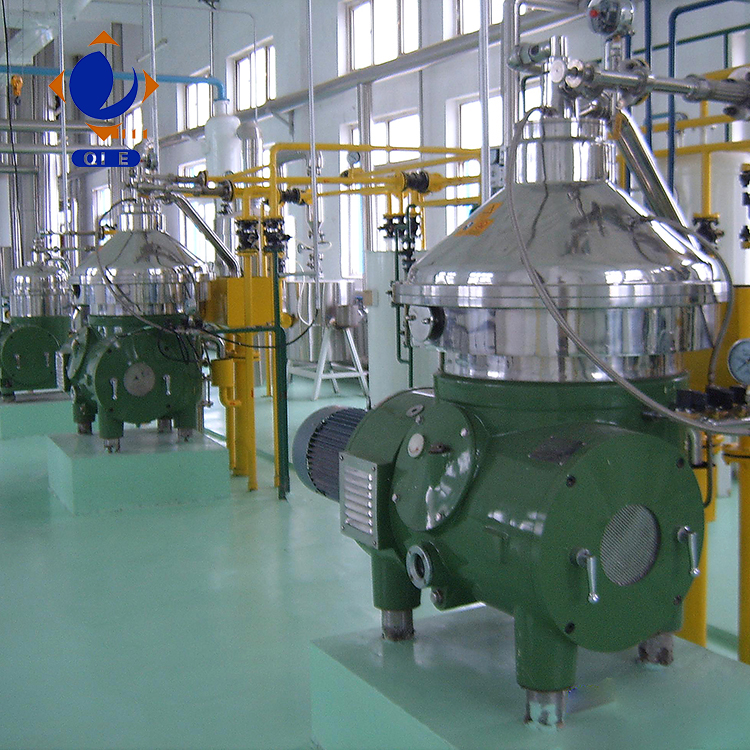
Illustration of predictive maintenance and remote operation trends in palm oil pressing

Unlock unparalleled operational efficiency: Penguin Palm Oil Pressing Lines combine advanced PLC automation, premium component materials, and worldwide customer service to empower your enterprise with stable, high-yield production.


Recommended Products
Hot Products
Contact us
Contact us
https://shmuker.oss-cn-hangzhou.aliyuncs.com/tmp/temporary/60ec5bd7f8d5a86c84ef79f2/60ec5bdcf8d5a86c84ef7a9a/thumb-prev.png
