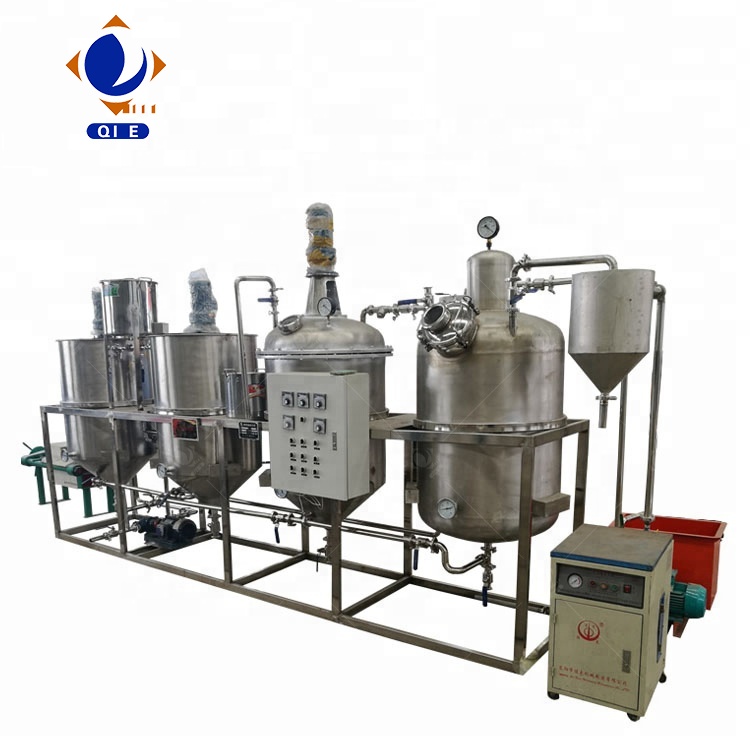
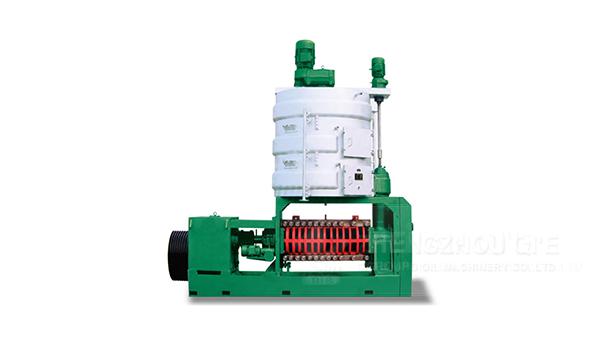
The journey from crude palm oil to refined, edible oil involves a series of crucial steps. Understanding the technical logic behind these steps is essential for efficient and high - quality production. The key steps include degumming, deacidification, decolorization, and deodorization. Each step plays a vital role in transforming the raw, unrefined oil into a clean, stable, and market - ready product.
For degumming, the temperature usually ranges from 60 - 70°C, the vacuum degree is around 20 - 30 mbar, and the additive dosage is about 0.1 - 0.3% of the oil volume. In deacidification, the temperature can reach 70 - 90°C, the vacuum degree is approximately 10 - 20 mbar, and the additive amount varies according to the acid value of the crude oil. During decolorization, the temperature is maintained at 90 - 110°C, the vacuum degree is 5 - 10 mbar, and the amount of adsorbent used is about 1 - 3%. For deodorization, the temperature can go up to 200 - 240°C, the vacuum degree is less than 1 mbar, and steam is used as an important medium.
Common quality issues such as abnormal color and excessive free fatty acids can occur during the refining process. Abnormal color may be caused by improper decolorization, such as incorrect temperature or insufficient adsorbent. Free fatty acids may exceed the standard due to incomplete deacidification. On - site troubleshooting methods involve checking the process parameters, inspecting the equipment for leaks or malfunctions, and analyzing the quality of the additives used.
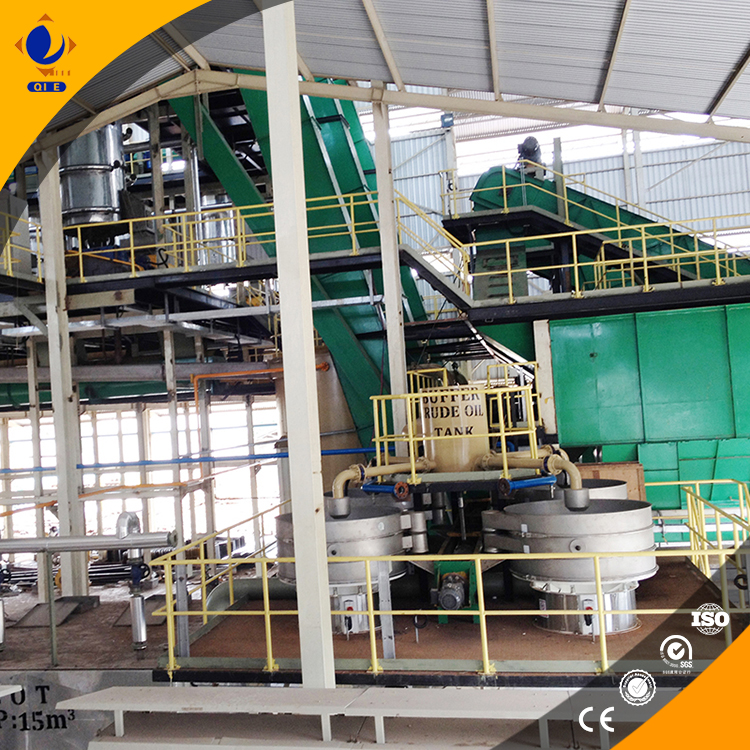
Stainless steel is the ideal material for palm oil refining equipment. It has excellent corrosion resistance, which can prevent metal ions from leaching into the oil and causing contamination. Compared with other materials, stainless steel can maintain its integrity and stability in the harsh environment of high - temperature and chemical - rich refining processes, ensuring the purity and safety of the palm oil.
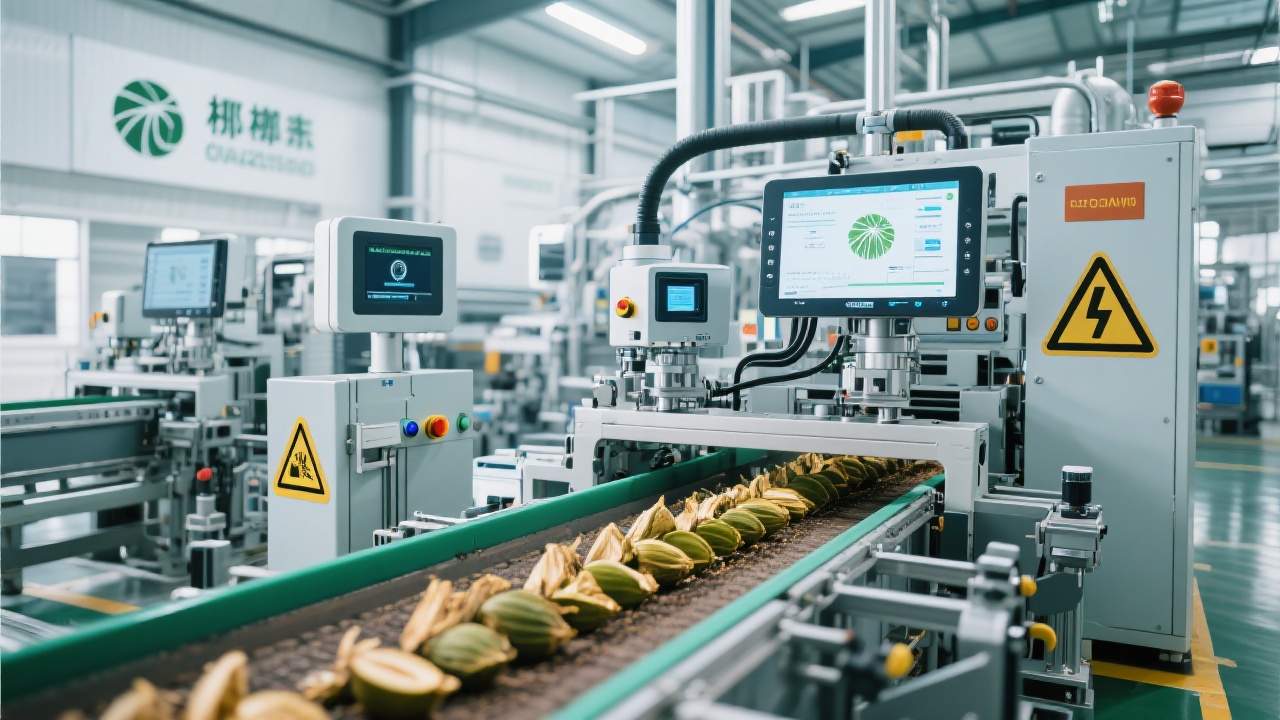
The automated control system is a game - changer in palm oil refining. It can precisely control the temperature, vacuum degree, and additive dosage in each process, eliminating human errors. This leads to consistent product quality from batch to batch. Moreover, it can adjust the operation parameters in real - time according to the changes in the raw material quality, improving the production efficiency and reducing production costs.
Building a standardized operating procedure is crucial for stable production. It includes clear instructions on equipment operation, process parameter setting, and safety precautions. Practical suggestions involve regular training for operators, regular equipment maintenance, and strict quality control at each stage of the production process.
One of our customers had problems with inconsistent product quality, with color and free fatty acid content fluctuating from batch to batch. By analyzing the process data and on - site inspection, we found that the problem was due to improper operation of the decolorization and deacidification equipment. We adjusted the process parameters, optimized the equipment operation, and trained the operators. After these measures, the product quality became stable, and the production efficiency increased by 20%.
 46
|
46
|
 palm oil pressing equipment maintenance
preventive maintenance techniques
palm oil production line troubleshooting
equipment lubrication standards
industrial press maintenance
palm oil pressing equipment maintenance
preventive maintenance techniques
palm oil production line troubleshooting
equipment lubrication standards
industrial press maintenance
 415
|
Palm Oil Processing Machine
Palm Oil Refining Equipment
Palm Oil Extraction Equipment
High Capacity Palm Oil Machine
Automated Palm Oil Processing
Stainless Steel Palm Oil Equipment
ISO9001 Certified Palm Oil Machinery
Compact Palm Oil Processing Solutions
Advanced Palm Oil Extraction Technology
Reliable Palm Oil Pressing Equipment
415
|
Palm Oil Processing Machine
Palm Oil Refining Equipment
Palm Oil Extraction Equipment
High Capacity Palm Oil Machine
Automated Palm Oil Processing
Stainless Steel Palm Oil Equipment
ISO9001 Certified Palm Oil Machinery
Compact Palm Oil Processing Solutions
Advanced Palm Oil Extraction Technology
Reliable Palm Oil Pressing Equipment
 412
|
Nigerian palm oil equipment selection
High - efficiency automated palm oil processing
Pressure vessel safety standards
Palm oil production equipment
Palm oil process flow
412
|
Nigerian palm oil equipment selection
High - efficiency automated palm oil processing
Pressure vessel safety standards
Palm oil production equipment
Palm oil process flow
 155
|
Palm Oil Refining Equipment
Oil Refining Machine
High Efficiency Palm Oil Equipment
Automated Palm Oil Refining System
Energy Efficient Palm Oil Processing
ISO9001 Certified Palm Oil Equipment
Customizable Palm Oil Refining Solutions
Palm Oil Processing Machinery
Industrial Palm Oil Refining
155
|
Palm Oil Refining Equipment
Oil Refining Machine
High Efficiency Palm Oil Equipment
Automated Palm Oil Refining System
Energy Efficient Palm Oil Processing
ISO9001 Certified Palm Oil Equipment
Customizable Palm Oil Refining Solutions
Palm Oil Processing Machinery
Industrial Palm Oil Refining
 274
|
Palm Oil Processing Machine
Palm Oil Processing Equipment
Palm Oil Cold Pressing Machine
Palm Oil Hot Pressing Equipment
Industrial Palm Oil Processing Solutions
High Capacity Palm Oil Machine
Palm Oil Extraction Equipment
Energy Efficient Palm Oil Machines
Smart Palm Oil Processing Technology
274
|
Palm Oil Processing Machine
Palm Oil Processing Equipment
Palm Oil Cold Pressing Machine
Palm Oil Hot Pressing Equipment
Industrial Palm Oil Processing Solutions
High Capacity Palm Oil Machine
Palm Oil Extraction Equipment
Energy Efficient Palm Oil Machines
Smart Palm Oil Processing Technology