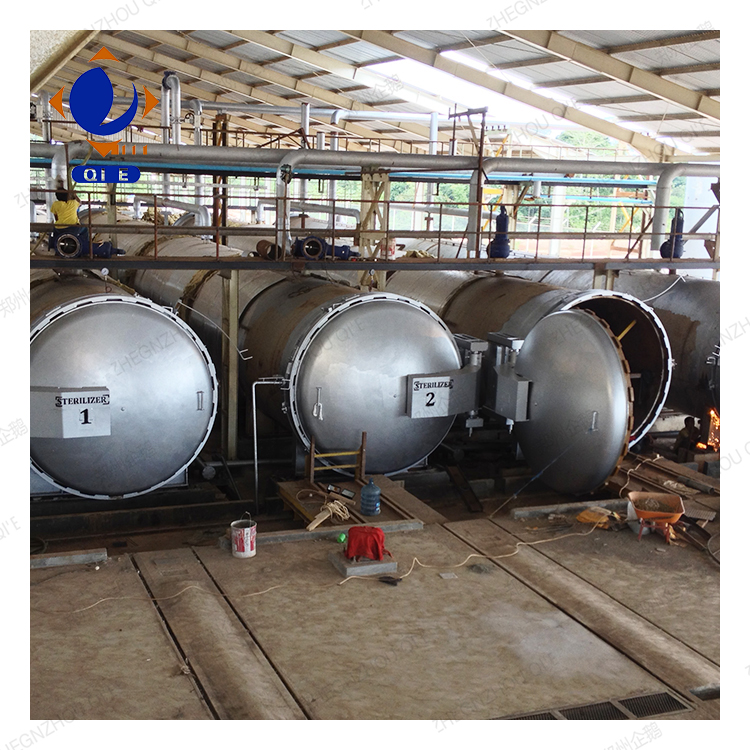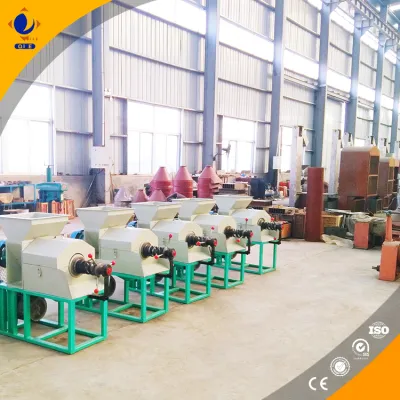
Choosing the right screw oil press machine is more than just selecting a model—it's about understanding the critical relationship between raw materials, production capacity, and equipment performance. As an equipment manager or production supervisor in the edible oil processing industry, the decisions you make today will directly impact your operational efficiency, maintenance costs, and bottom line for years to come. Let's explore how to make this decision scientifically.
Industry data shows that 90% of operational issues with screw oil presses stem from improper model selection rather than manufacturing defects. A study by the International Edible Oil Processing Association revealed that facilities using mismatched equipment experience 37% higher maintenance costs and 22% more production downtime compared to those with properly selected machinery. For a medium-scale facility processing 500kg/hour, this translates to approximately $12,000 in avoidable monthly losses.
Expert Insight: "The most common mistake I see is businesses prioritizing upfront cost over performance matching," says Michael Chen, Senior Process Engineer with 15 years in edible oil equipment consulting. "A machine that costs 10% less but isn't optimized for your specific oilseeds will end up costing 30-40% more over its lifespan through reduced yield and increased maintenance."
Different oilseeds present unique challenges that directly impact screw press performance. Understanding these characteristics is the first step toward making an informed decision:
Soybeans, with their high protein content (35-40%) and moderate oil content (18-20%), require presses with longer pressing chambers and variable speed controls. The optimal compression ratio for soybeans ranges between 6:1 and 8:1 to achieve extraction rates above 92%. Machines lacking proper moisture control systems often struggle with soybean processing, leading to 5-8% lower yields.
Rapeseed's higher oil content (35-45%) and smaller particle size demand presses with tighter clearances and specialized screw profiles. The material's natural tendency to create friction requires enhanced cooling systems to prevent overheating, which can reduce oil quality and damage equipment components. Properly configured machines can achieve extraction rates of 94-96% for rapeseed.
Peanuts, with their high oil content (45-55%) and fibrous structure, benefit from presses with adjustable pressure settings and larger feed mechanisms. The ideal operating temperature range for peanut processing is 120-130°C, necessitating precise temperature control systems. Without proper handling, peanut processing can result in significant oil loss and equipment clogging.
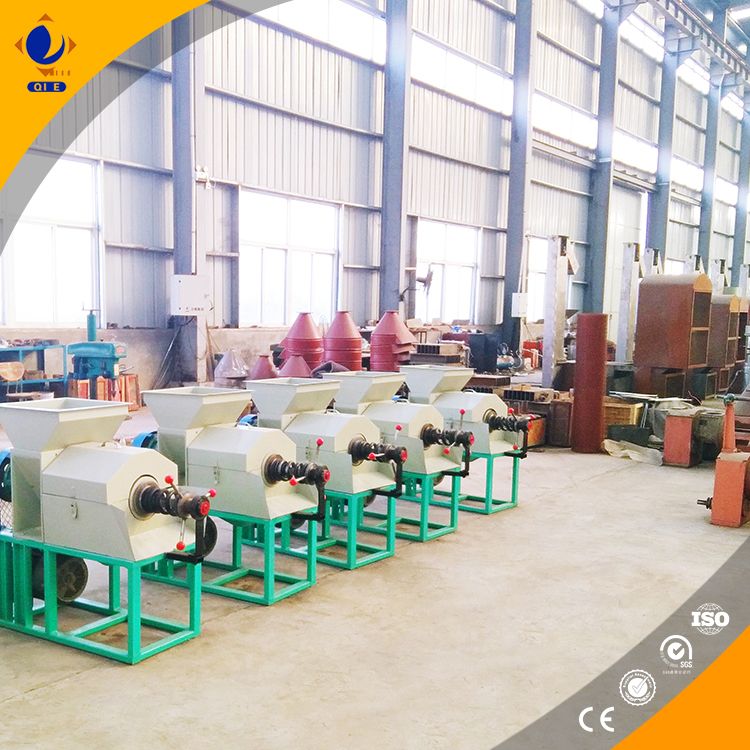
Selecting a machine based solely on raw material type without considering production volume is a common pitfall. Below is a practical guide to capacity matching:
For facilities with modest production requirements, single-screw presses with 65-80mm diameter screws offer the best balance of efficiency and investment. These machines typically require 5.5-7.5 kW power and occupy approximately 3-4 square meters of floor space. Key features to prioritize include easy cleaning mechanisms and simplified maintenance access.
Medium-scale operations benefit from enhanced single-screw or small twin-screw presses with 80-100mm screw diameters. These units typically require 11-15 kW power and feature more sophisticated control systems. Correctly selected medium-capacity machines can reduce energy consumption by 15-20% compared to underpowered or oversized equipment.
Industrial operations require robust twin-screw presses with diameters starting at 120mm. These machines feature segmented pressing chambers, advanced temperature control, and integrated oil filtering systems. Power requirements range from 22 kW to over 75 kW depending on specific capacity needs. Properly configured large-scale systems can achieve 20% higher overall efficiency through continuous operation and automated material handling integration.
Follow this proven methodology to ensure optimal equipment selection:
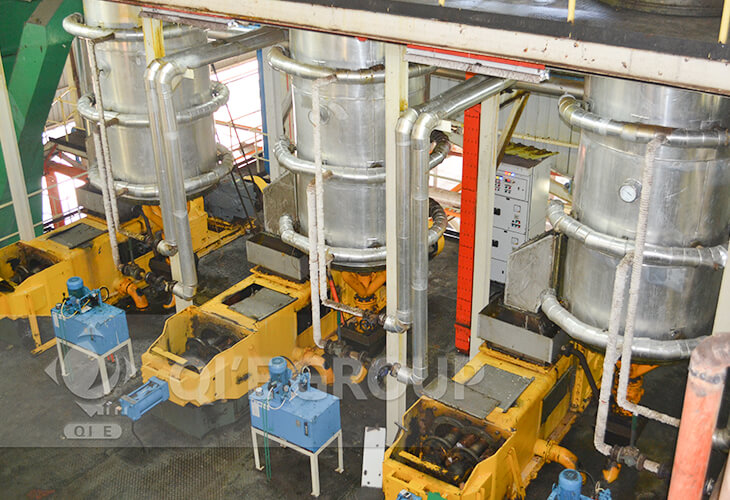
Even the best-selected equipment will underperform without proper maintenance. 76% of premature equipment failures can be attributed to inadequate maintenance practices, according to a survey of edible oil processors. Implementing a structured maintenance program can extend equipment lifespan by 30-40% and reduce unplanned downtime by up to 50%.
Follow this maintenance framework to ensure optimal performance:
Even with proper maintenance, issues can arise. Here's how to quickly diagnose and resolve the most common problems:
| Problem | Potential Cause | Solution |
|---|---|---|
| Reduced oil output | Worn screw elements, incorrect temperature, raw material moisture | Inspect screw condition, adjust temperature settings, verify moisture content |
| Excessive noise | Misalignment, insufficient lubrication, loose components | Check alignment, lubricate per schedule, tighten all fasteners |
| Motor overheating | Overloading, poor ventilation, electrical issues | Reduce feed rate, clean ventilation, check electrical connections |
| Uneven oil quality | Inconsistent temperature, raw material variation, filter issues | Calibrate temperature controls, implement raw material testing, clean/replace filters |
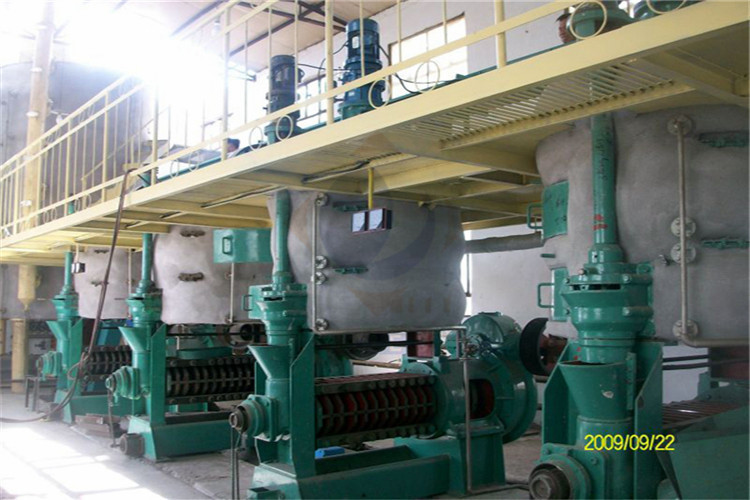
With proper maintenance, a quality screw oil press can operate efficiently for 7-10 years. Key wear components like screws and pressing chambers typically require replacement every 2-3 years in continuous operation.
While some machines offer adjustability for different oilseeds, optimal performance is achieved when equipment is primarily configured for a specific oilseed type. Multi-purpose machines often require time-consuming adjustments and may sacrifice 5-10% efficiency compared to specialized equipment.
Energy consumption varies by capacity. Small machines (50-200 kg/h) typically use 5.5-7.5 kW, medium machines (200-500 kg/h) use 11-15 kW, and large industrial presses (500+ kg/h) range from 22 kW to over 75 kW. Modern energy-efficient models can reduce consumption by 10-15% compared to older designs.
 264
|
264
|
 cold hot pressing technology
palm oil yield improvement
palm fruit pressing process
residual oil below 1%
BTMA palm oil production line
cold hot pressing technology
palm oil yield improvement
palm fruit pressing process
residual oil below 1%
BTMA palm oil production line
 267
|
palm oil automation equipment installation
ground load requirements for oil presses
voltage compatibility for industrial machinery
small palm oil plant setup
automatic oil extraction system installation
409
|
palm oil refining process
degumming and neutralization technology
process parameter control
stainless steel equipment application
automation system in palm oil refining
365
|
palm oil refining process
degumming and deacidification techniques
process parameter control
quality fluctuation troubleshooting
automated palm oil production
274
|
small palm oil processing equipment
automated palm oil press maintenance
palm fruit pressing line保养
palm oil machine installation guide
palm oil equipment troubleshooting
267
|
palm oil automation equipment installation
ground load requirements for oil presses
voltage compatibility for industrial machinery
small palm oil plant setup
automatic oil extraction system installation
409
|
palm oil refining process
degumming and neutralization technology
process parameter control
stainless steel equipment application
automation system in palm oil refining
365
|
palm oil refining process
degumming and deacidification techniques
process parameter control
quality fluctuation troubleshooting
automated palm oil production
274
|
small palm oil processing equipment
automated palm oil press maintenance
palm fruit pressing line保养
palm oil machine installation guide
palm oil equipment troubleshooting