For small and medium-sized palm oil producers, selecting the right processing equipment is a critical decision that directly impacts operational efficiency, product quality, and long-term profitability. With the global palm oil market projected to reach USD 92.8 billion by 2028 (CAGR 5.3%), making informed equipment choices has never been more important. This guide breaks down the technical considerations, certification requirements, and practical assessment frameworks to help you navigate the complex landscape of palm oil processing machinery.
When evaluating equipment options, three fundamental factors should drive your decision-making process:
Your equipment's daily processing capacity must align with your actual fruit supply. Mismatched capacity leads to either underutilization (wasting capital) or bottlenecks (losing potential revenue). Most small farms benefit from systems with 5-20 tons per day (TPD) capacity, while medium operations typically require 20-50 TPD setups.
Energy consumption accounts for 15-25% of total operational costs in palm oil processing. Modern equipment should achieve specific energy consumption rates of less than 8 kWh per ton of fresh fruit bunches (FFB). Look for systems with variable frequency drives and optimized heat recovery systems to minimize energy waste.
With rising labor costs across major palm-producing regions (Southeast Asia, Africa, South America), automation becomes a strategic investment. Semi-automatic systems reduce labor needs by 30-40%, while fully automatic lines like the BTMA palm oil production line can operate with minimal supervision, cutting labor costs by up to 60% compared to manual processing.
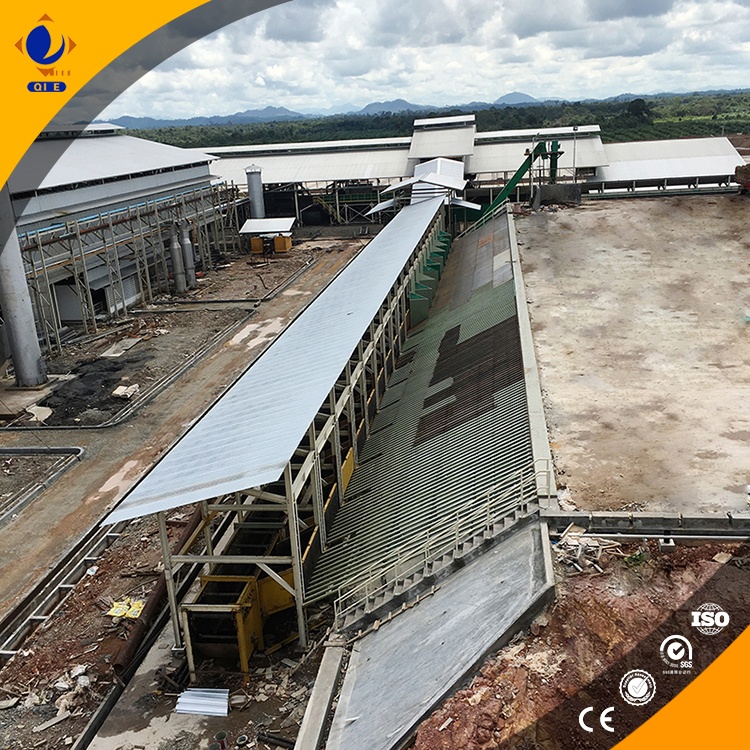
The reliability and efficiency of palm oil processing equipment depend heavily on the quality of its core components. Understanding these components helps in assessing long-term performance and maintenance requirements:
| Component | Performance Criteria | Impact on Operations |
|---|---|---|
| Motors | IP54/IP55 protection, energy efficiency class IE3 or higher | Affects energy consumption and reliability in humid environments |
| Pumps | Stainless steel construction, minimal cavitation design | Determines oil extraction efficiency and maintenance frequency |
| Gearboxes | Helical gear design, sealed lubrication system | Influences torque transmission efficiency and noise levels |
| Bearings | Double-sealed, high-temperature rated | Critical for minimizing unplanned downtime |
Quality components directly translate to operational benefits. For instance, penguin group reports that their premium bearing systems reduce maintenance intervals by 40% compared to standard components, significantly lowering total cost of ownership over the equipment's lifespan.
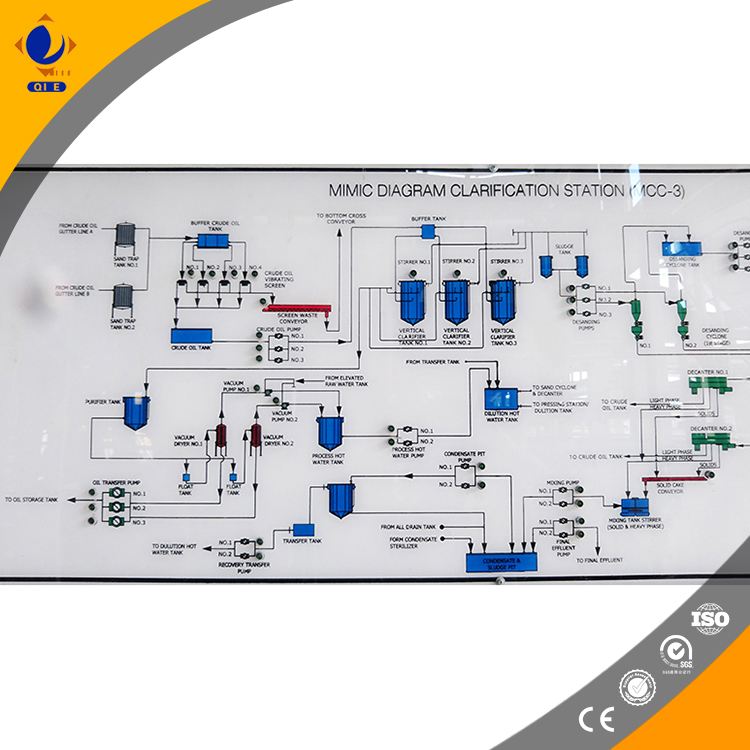
When investing in palm oil processing equipment, certifications are not mere formalities but essential indicators of quality, safety, and compliance:
An ISO 9001 certification demonstrates that the manufacturer follows rigorous quality management systems. Equipment produced under ISO 9001 standards typically shows 15-20% fewer defects and more consistent performance compared to non-certified alternatives.
For businesses targeting European markets or exporting to regions that recognize EU standards, CE marking is mandatory. It ensures compliance with essential health, safety, and environmental protection requirements, eliminating barriers to market entry.
Beyond these primary certifications, look for equipment that meets region-specific standards such as Malaysia's SIRIM or Indonesia's SNI if operating in Southeast Asia, as these can streamline local regulatory approvals.
Making the right equipment choice requires a systematic evaluation of your specific operational conditions. Follow this step-by-step assessment process:

Consider the case of a 15-hectare palm farm in Sumatra that recently upgraded to a 10 TPD fully automatic BTMA palm oil production line. By aligning equipment capacity with their average FFB yield of 8-12 tons/day and leveraging automation, they reduced labor costs by 55% and increased oil extraction rate by 3.2% within the first six months of operation.
Our team of palm oil processing experts can help you navigate equipment selection, optimize production efficiency, and ensure compliance with international standards. Benefit from personalized solutions tailored to your specific farm conditions and business goals.
Get Your Custom Palm Oil Processing SolutionWhen evaluating potential suppliers, request performance guarantees, on-site training programs, and comprehensive after-sales support packages. A reliable supplier should offer not just equipment, but a complete solution that includes installation, commissioning, and ongoing technical assistance. Remember that the cheapest upfront investment often leads to higher long-term costs through inefficiencies, downtime, and suboptimal oil yields.
By taking a systematic approach to equipment selection—focusing on capacity matching, component quality, energy efficiency, and certification compliance—you'll position your palm oil operation for sustainable growth and profitability in an increasingly competitive global market.

 267
|
267
|
 palm oil automation equipment installation
ground load requirements for oil presses
voltage compatibility for industrial machinery
small palm oil plant setup
automatic oil extraction system installation
palm oil automation equipment installation
ground load requirements for oil presses
voltage compatibility for industrial machinery
small palm oil plant setup
automatic oil extraction system installation
 284
|
cold and hot pressing technology
palm oil extraction rate
palm oil production line
PLC control system
low residual oil rate
365
|
palm oil refining process
degumming and deacidification techniques
process parameter control
quality fluctuation troubleshooting
automated palm oil production
411
|
Small and medium - scale palm oil equipment selection
Fully automatic oil press comparison
Palm fruit pressing production line
Palm oil production equipment maintenance
Automated oil pressing solutions
60
|
palm oil production line troubleshooting
motor overload diagnosis
PLC control optimization
palm oil equipment maintenance
automatic palm oil processing
284
|
cold and hot pressing technology
palm oil extraction rate
palm oil production line
PLC control system
low residual oil rate
365
|
palm oil refining process
degumming and deacidification techniques
process parameter control
quality fluctuation troubleshooting
automated palm oil production
411
|
Small and medium - scale palm oil equipment selection
Fully automatic oil press comparison
Palm fruit pressing production line
Palm oil production equipment maintenance
Automated oil pressing solutions
60
|
palm oil production line troubleshooting
motor overload diagnosis
PLC control optimization
palm oil equipment maintenance
automatic palm oil processing