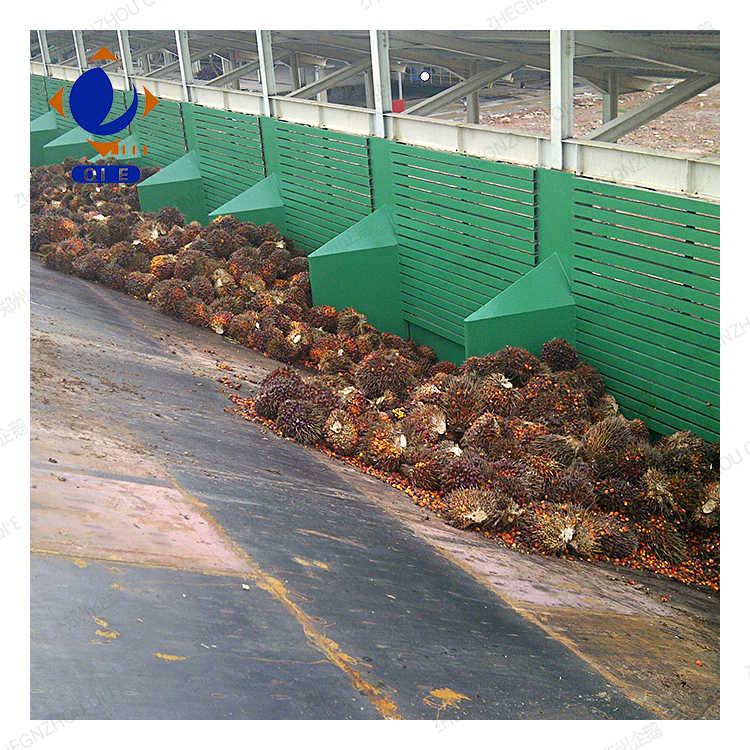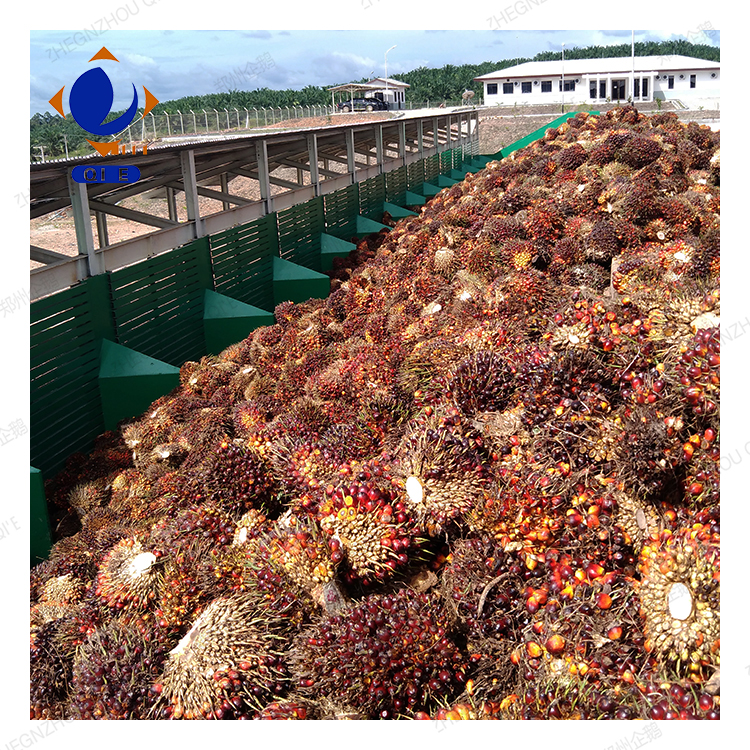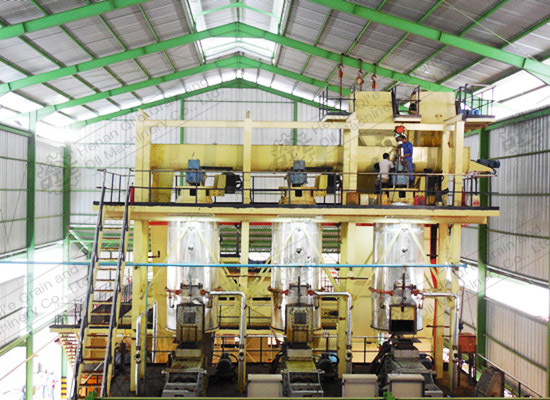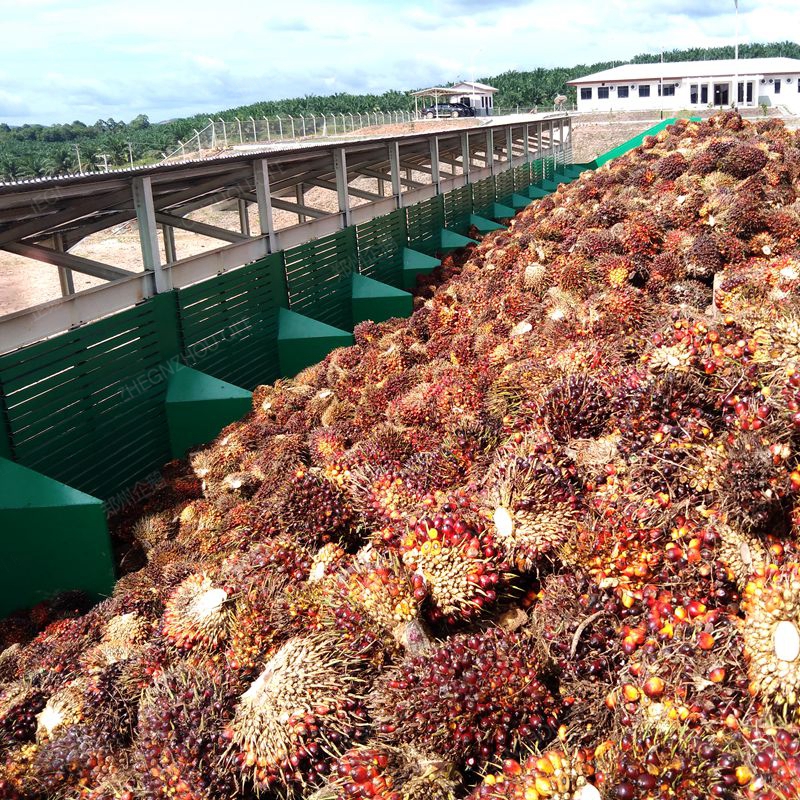
For small and medium-sized palm oil farms, selecting the right processing equipment is a critical decision that directly impacts operational efficiency, production costs, and long-term profitability. With the global palm oil market projected to reach USD 92.8 billion by 2028 (CAGR of 5.3%), making an informed equipment investment has never been more important.
Industry Insight:
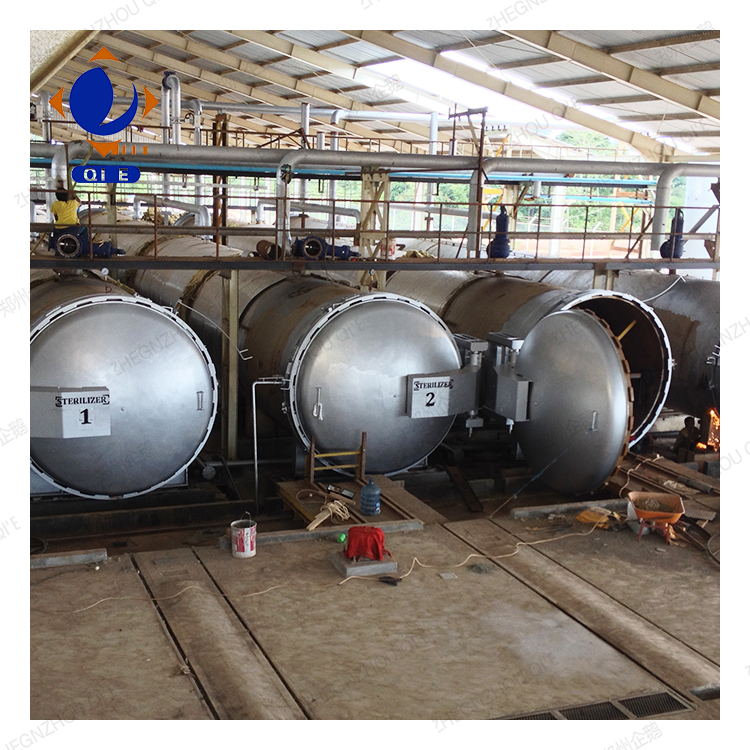
Small-scale palm oil processors typically operate with daily capacities ranging from 1 to 30 tons of fresh fruit bunches (FFB), requiring equipment that balances performance with affordability and ease of operation.
When evaluating equipment options, three critical factors demand primary consideration:
Equipment capacity should align with your farm's FFB production volume. Mismatched capacity leads to either underutilization (wasting capital) or bottlenecks (losing potential revenue). A general guideline is to select equipment with 10-15% excess capacity to accommodate seasonal variations and future expansion.
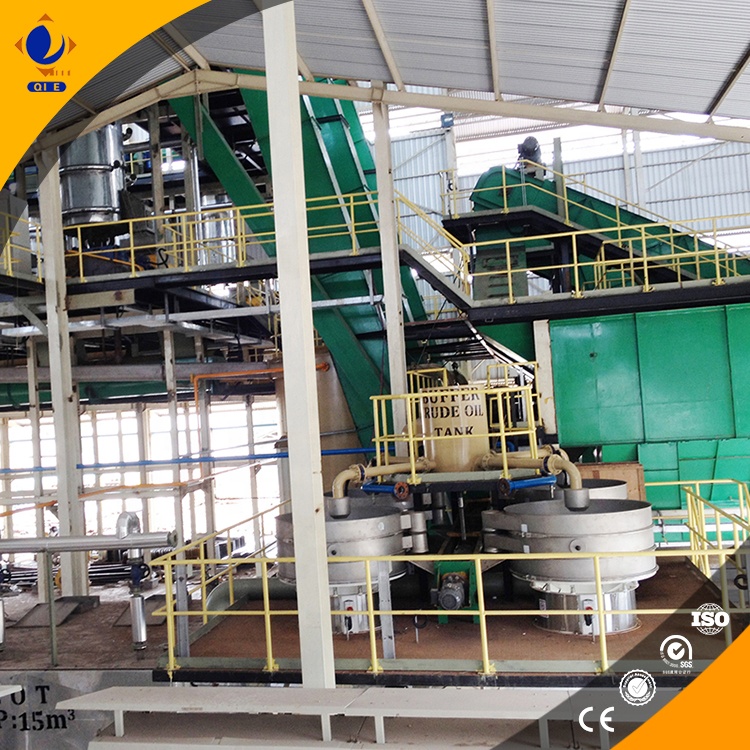
Energy costs represent 20-30% of total operational expenses in palm oil processing. Modern equipment typically consumes 80-120 kWh per ton of FFB processed, while older models may exceed 150 kWh/ton. Look for equipment with high-efficiency motors (IE3 or higher) and heat recovery systems to minimize energy expenditure.
The degree of automation directly impacts labor requirements and operational consistency. Semi-automatic systems require 3-5 operators per shift for a 10-ton/day facility, while fully automatic lines can reduce this to 1-2 operators. Consider local labor costs—regions with higher labor expenses typically see faster ROI from automation investments.
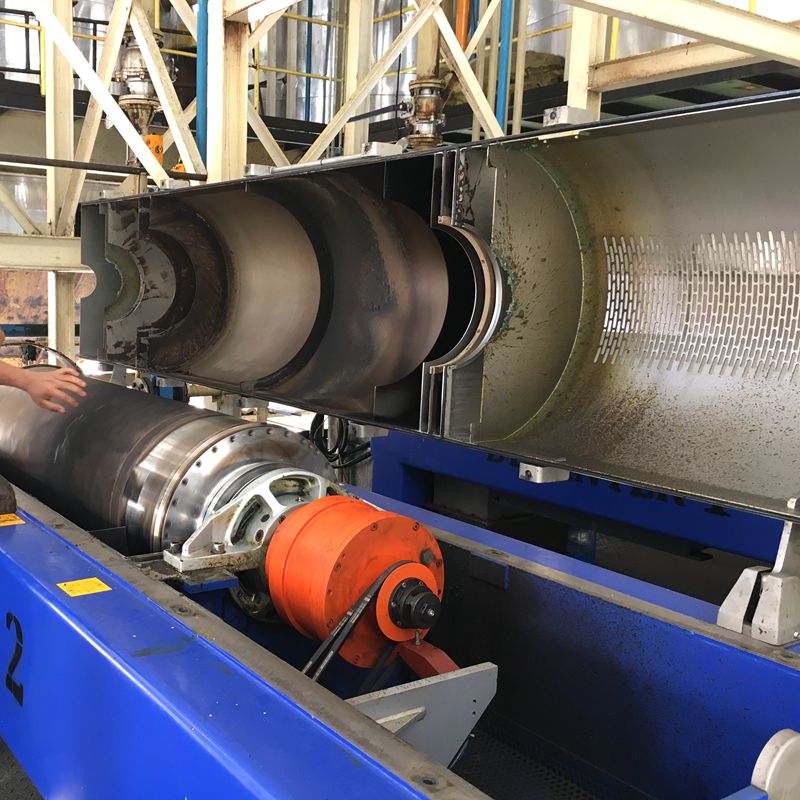
The reliability and performance of palm oil processing equipment depend heavily on its core components. High-quality components reduce downtime and extend equipment lifespan, which is crucial for small and medium enterprises with limited maintenance resources.
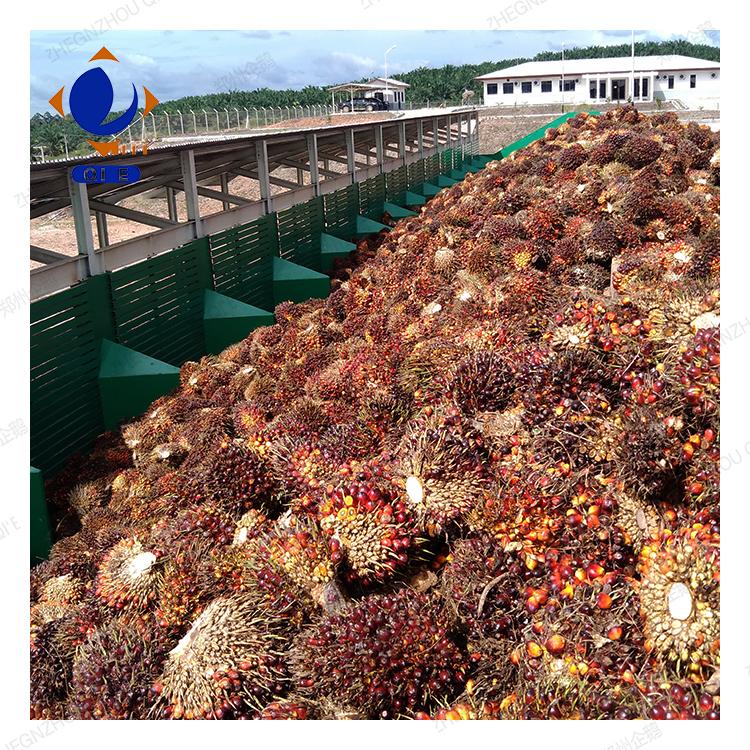
For farms considering export opportunities or seeking long-term reliability, equipment certifications are not optional. ISO 9001 certification ensures consistent quality management systems, while CE marking indicates compliance with European safety, health, and environmental protection standards.
Certified equipment typically demonstrates 15-20% fewer breakdowns compared to non-certified alternatives, according to industry reliability studies. For the 企鹅集团 (Penguin Group), these certifications represent a commitment to quality that translates directly to better performance for our customers.
Before making a purchase decision, follow this systematic assessment process to ensure equipment matches your specific circumstances:
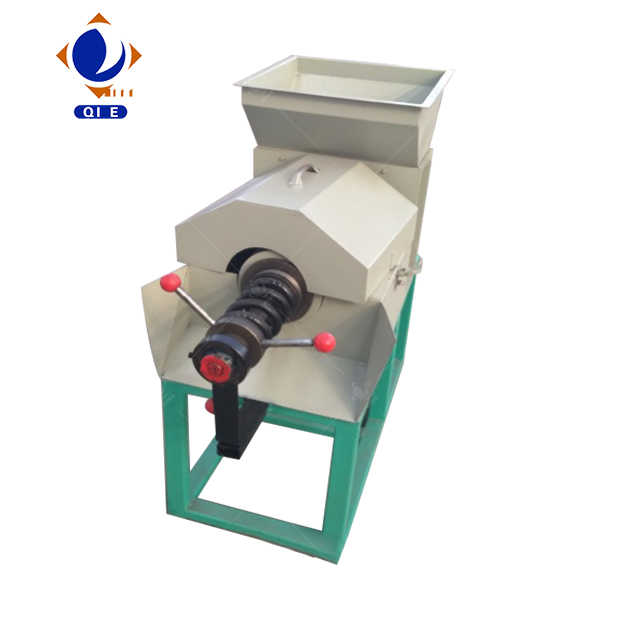
Our team of palm oil processing specialists can help you navigate equipment selection and develop a customized solution tailored to your farm's specific needs.
Get Your Free Equipment AssessmentMaking the right equipment choice requires balancing technical specifications with practical business considerations. By focusing on capacity matching, energy efficiency, component quality, and certification, small and medium farms can position themselves for sustainable growth in the competitive palm oil market.

 331
|
331
|
 automated palm oil press
small to medium palm oil factory equipment
palm oil equipment selection guide
palm oil press installation
palm oil production automation
227
|
palm oil refining process
degumming and deacidification technology
process parameter control
quality deviation troubleshooting
automated palm oil refining equipment
173
|
Fully automatic palm oil press
Equipment for small and medium - sized palm oil mills
Oil press equipment selection
Installation guidance for automated oil press lines
Palm oil equipment maintenance
automated palm oil press
small to medium palm oil factory equipment
palm oil equipment selection guide
palm oil press installation
palm oil production automation
227
|
palm oil refining process
degumming and deacidification technology
process parameter control
quality deviation troubleshooting
automated palm oil refining equipment
173
|
Fully automatic palm oil press
Equipment for small and medium - sized palm oil mills
Oil press equipment selection
Installation guidance for automated oil press lines
Palm oil equipment maintenance
 146
|
double screw press
palm oil extraction technology
energy-efficient oil processing
grain and oil machinery
palm oil production line
446
|
automated palm oil processing equipment
small palm oil mill automation
oil press machine selection
palm oil production line maintenance
industrial oil extraction system
146
|
double screw press
palm oil extraction technology
energy-efficient oil processing
grain and oil machinery
palm oil production line
446
|
automated palm oil processing equipment
small palm oil mill automation
oil press machine selection
palm oil production line maintenance
industrial oil extraction system