As a small to medium-sized palm oil farmer, the decision to invest in processing equipment represents one of the most significant financial commitments you'll make for your operation. The right machinery can transform your harvest into profitable products while minimizing waste and operational costs. This guide will walk you through the critical factors in selecting palm oil processing equipment that aligns with your farm's specific needs and long-term goals.
The foundation of equipment selection lies in accurately assessing your daily processing requirements. A mismatch between your farm's production volume and equipment capacity can lead to costly inefficiencies or bottlenecks.
For most small farms, equipment with a daily processing capacity of 1-5 tons of fresh fruit bunches (FFB) proves optimal, while medium operations typically require 5-15 ton/day systems. 企鹅集团 offers modular solutions that can be scaled as your business grows, preventing over-investment in underutilized equipment.

Energy consumption represents one of the most significant ongoing operational costs in palm oil processing. Modern equipment offers substantial efficiency improvements over older models, directly impacting your bottom line.
| Equipment Type | Energy Consumption (kWh/ton FFB) | Annual Savings (USD/year)* |
|---|---|---|
| Traditional Small-scale Press | 25-30 | - |
| Semi-Automatic Line | 18-22 | $2,400-3,600 |
| Modern Automatic Line | ≤15 | $4,500-6,000 |
*Based on 300 processing days/year, 5 tons FFB/day, $0.15/kWh electricity cost
When evaluating equipment, look for systems that incorporate energy-efficient motors (IE3 or higher efficiency class), heat recovery systems, and variable speed drives. These features not only reduce electricity bills but also minimize your environmental footprint—a growing consideration for international buyers.
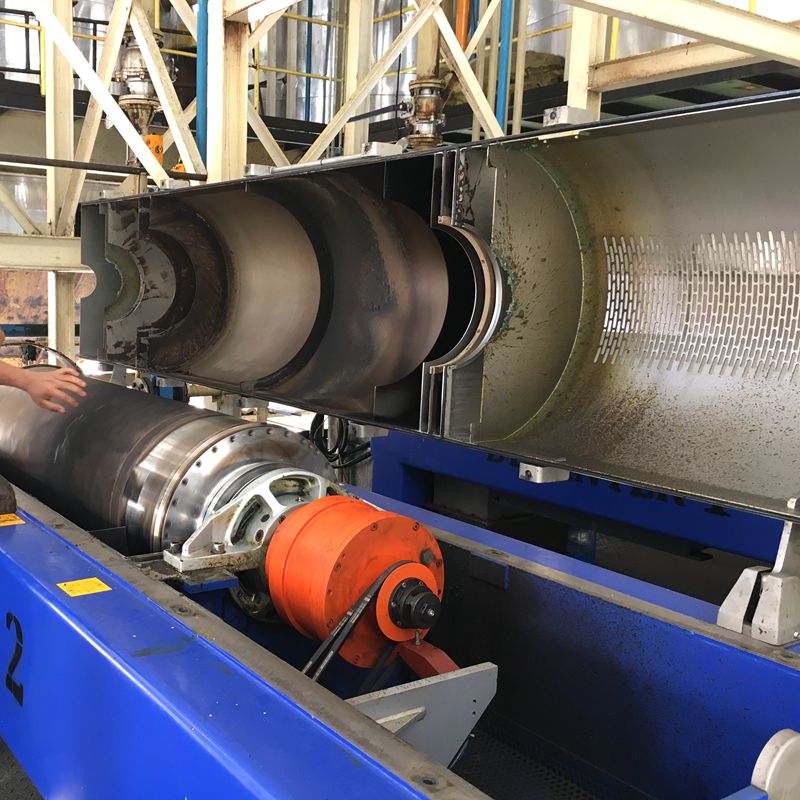
The longevity and performance of your palm oil processing line depend heavily on the quality of key components. Cutting corners on these critical parts often leads to increased downtime and higher maintenance costs over time.
Look for sealed, maintenance-free bearings with at least 50,000 hours MTBF (Mean Time Between Failures). Hardened steel gears provide superior durability compared to cast iron alternatives.
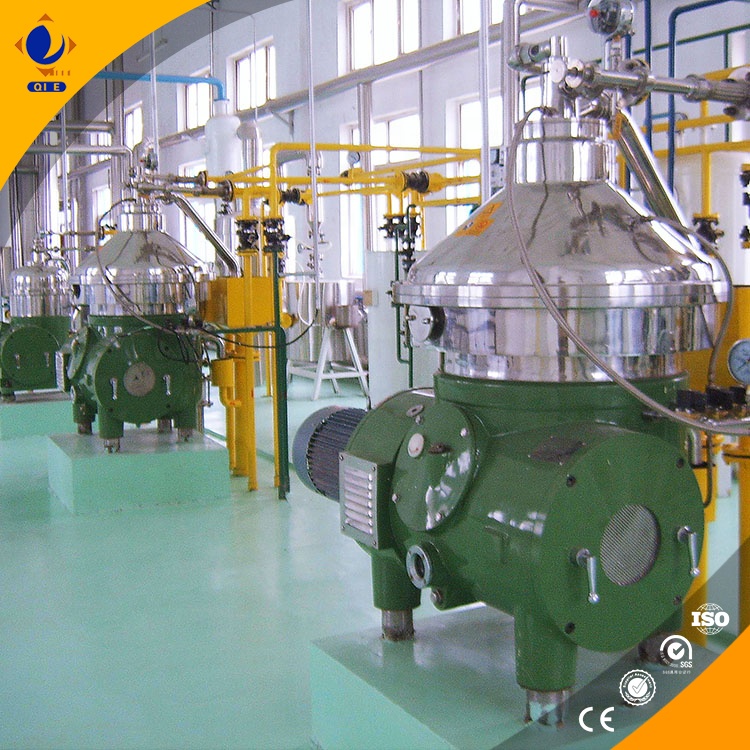
Stainless steel centrifugal pumps resist corrosion from the acidic palm oil environment. Quality valves maintain precise pressure control, directly affecting oil extraction efficiency.
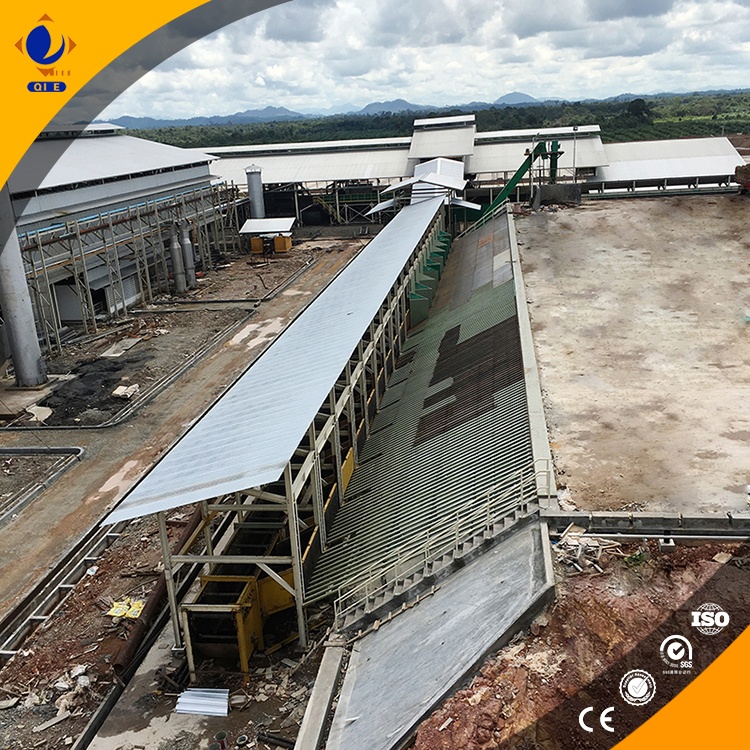
For farmers considering market expansion beyond local sales, equipment certifications become critical factors in both product quality assurance and market access.
Certified equipment not only meets international quality standards but also often incorporates the latest technological advancements. This translates to better oil extraction rates (aim for residual oil in press cake below 1%), improved product quality, and easier market access for your palm oil products.
Before making a purchase decision, conduct a thorough assessment of your farm's specific conditions to ensure compatibility with your chosen equipment.
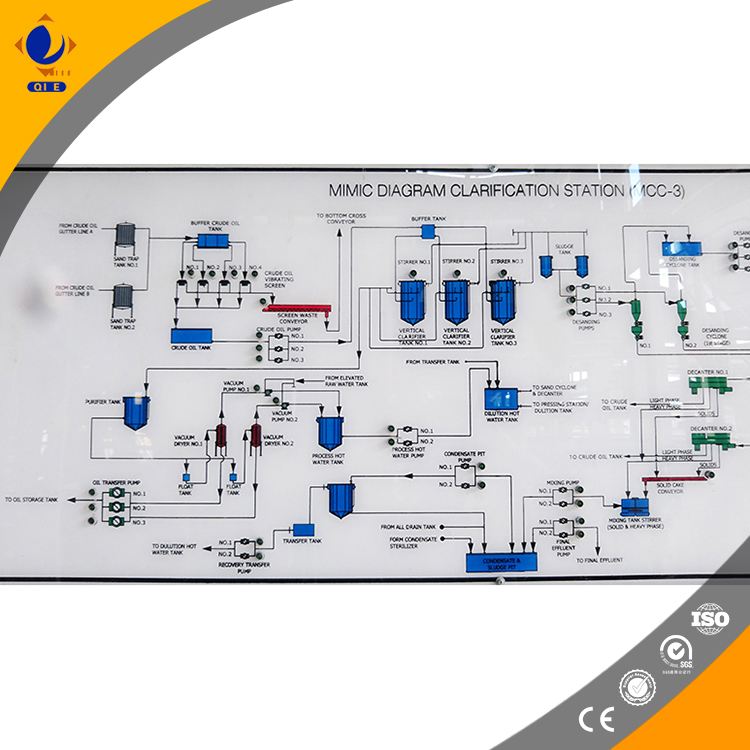
Many farmers underestimate the importance of proper site preparation and infrastructure. Investing time in this assessment phase prevents costly modifications after equipment delivery and ensures a smooth implementation process.
Our team of palm oil processing specialists can help you select the perfect equipment configuration for your farm's unique requirements.
Get Your Customized Processing SolutionRemember that the most expensive equipment isn't always the best choice for your operation. The ideal solution balances your current needs with future growth potential while maintaining operational efficiency. By carefully evaluating capacity requirements, energy efficiency, component quality, and certification status, you'll make an investment that delivers consistent returns for years to come.

 288
|
288
|
 palm oil extraction technology
twin-screw press machine
low-energy oil pressing
food processing equipment
oilseed press line
palm oil extraction technology
twin-screw press machine
low-energy oil pressing
food processing equipment
oilseed press line
 71
|
palm oil processing equipment
automated oil press system
small palm oil mill
semi automatic oil extraction
fully automatic palm oil plant
411
|
Small and medium - scale palm oil equipment selection
Fully automatic oil press comparison
Palm fruit pressing production line
Palm oil production equipment maintenance
Automated oil pressing solutions
71
|
palm oil processing equipment
automated oil press system
small palm oil mill
semi automatic oil extraction
fully automatic palm oil plant
411
|
Small and medium - scale palm oil equipment selection
Fully automatic oil press comparison
Palm fruit pressing production line
Palm oil production equipment maintenance
Automated oil pressing solutions
 405
|
palm oil production line automation
PLC smart control system
energy-efficient oil processing
real-time temperature pressure monitoring
automated extraction line
405
|
palm oil production line automation
PLC smart control system
energy-efficient oil processing
real-time temperature pressure monitoring
automated extraction line
 222
|
food grade palm oil production line maintenance
core components selection
motor maintenance technology
bearing wear prevention
PLC control system maintenance
222
|
food grade palm oil production line maintenance
core components selection
motor maintenance technology
bearing wear prevention
PLC control system maintenance