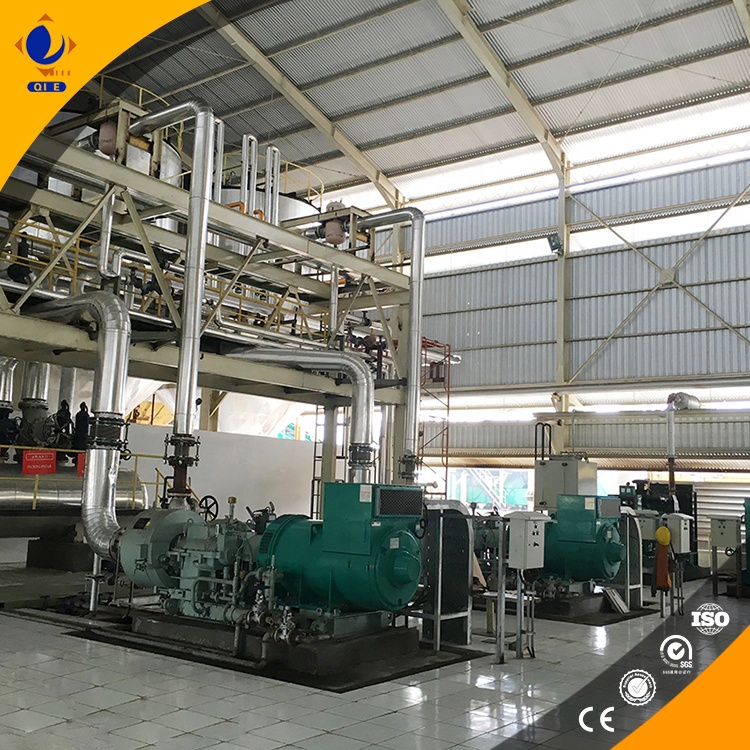
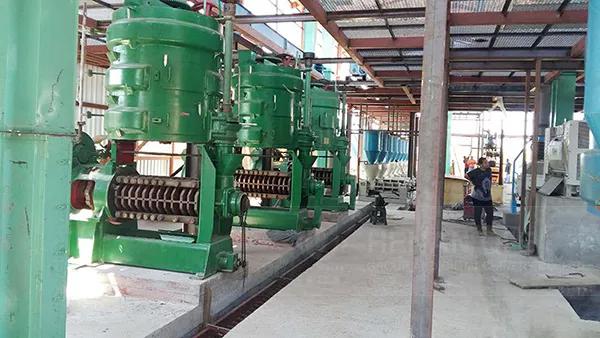
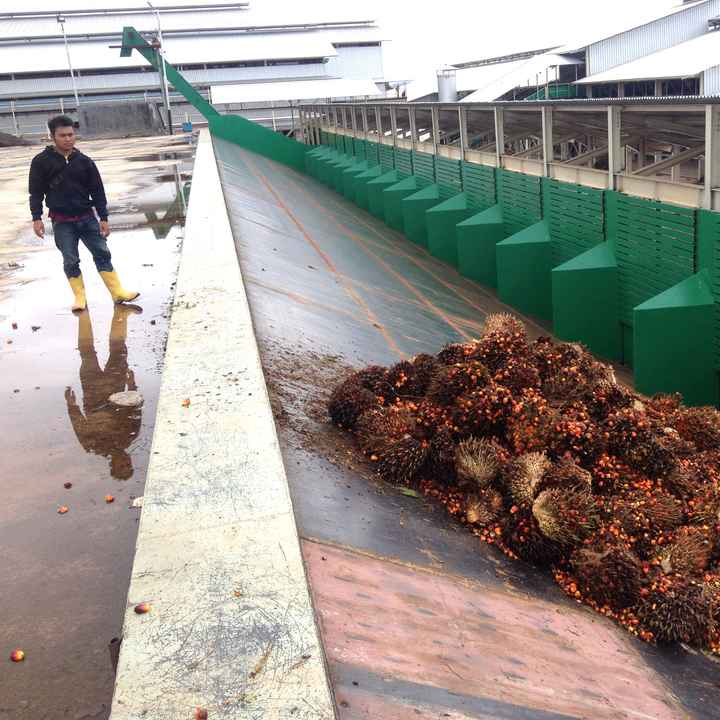
For small and medium - sized palm oil production enterprises, choosing the right equipment is a crucial decision that directly impacts production efficiency and long - term profitability. The primary pain points they face during the equipment selection process mainly revolve around investment costs, operational complexity, and maintenance difficulties.
Investment costs are a significant concern. Small and medium - sized enterprises often have limited capital, and they need to ensure that every dollar spent on equipment can bring maximum returns. Operational complexity is another hurdle. If the equipment is too difficult to operate, it may require highly skilled operators, increasing labor costs and the risk of operational errors. Maintenance difficulties can lead to frequent equipment downtime, affecting production schedules and increasing overall costs.
Manual equipment has the lowest automation level. It requires a large amount of manual labor for operations such as feeding, pressing, and oil collection. For example, in a small - scale palm oil mill using manual equipment, it may take 5 - 6 workers to operate a single production line, and the daily processing capacity is only about 1 - 2 tons. Semi - automatic equipment has a certain degree of automation. It can perform some processes automatically, such as feeding and pressing, reducing the need for manual labor. Usually, 2 - 3 workers can operate a semi - automatic production line, and the daily processing capacity can reach 3 - 5 tons. Fully automatic equipment has the highest automation level, with almost all processes being automated. Only 1 - 2 workers are needed for monitoring and simple operations, and the daily processing capacity can exceed 5 tons.
In terms of personnel requirements, as mentioned above, manual equipment needs the most workers, followed by semi - automatic equipment, and fully automatic equipment needs the fewest. Regarding operating costs, manual equipment has relatively low equipment purchase costs but high labor costs. Semi - automatic equipment has a moderate balance between equipment and labor costs. Fully automatic equipment has a high initial purchase cost, but in the long run, due to its high efficiency and low labor requirements, the overall operating cost is relatively low.
| Equipment Type | Automation Level | Personnel Requirements | Daily Processing Capacity (tons) |
|---|---|---|---|
| Manual | Low | 5 - 6 | 1 - 2 |
| Semi - automatic | Medium | 2 - 3 | 3 - 5 |
| Fully automatic | High | 1 - 2 | Over 5 |
Before installing the equipment, several factors need to be carefully considered. Firstly, the site conditions are crucial. The factory building should have sufficient space for equipment installation, operation, and maintenance. Secondly, voltage adaptation is necessary. Different types of equipment have different voltage requirements, and the power supply of the factory must match the equipment's voltage to ensure normal operation. Thirdly, the foundation load - bearing capacity is also important. Heavy equipment requires a solid foundation to prevent equipment damage caused by uneven settlement.
Regular maintenance is essential for extending the service life of the equipment. A daily maintenance checklist should include tasks such as cleaning, lubrication, and inspection of key components. For example, the pressing parts should be cleaned after each production shift to prevent the accumulation of palm oil residues, which can affect the pressing efficiency. Lubricating the moving parts regularly can reduce friction and wear. In addition, operators should be trained to identify potential faults early, such as abnormal noises or vibrations, and take timely measures to prevent major breakdowns.
This guide is designed to meet the diverse needs of different roles within the palm oil mill. For technicians, detailed technical information and operation manuals are provided to help them better understand and operate the equipment. For managers, cost - benefit analysis and long - term planning suggestions are offered to assist them in making strategic decisions.
By incorporating user feedback and real - world operating scenarios, this guide has become more reliable and practical. Many small and medium - sized palm oil mills have successfully selected and operated equipment based on the suggestions in this guide, achieving significant improvements in production efficiency and profitability.
Are you struggling to choose the right palm oil production equipment? Don't worry! QIE Group offers customized services and professional technical support. Click here to consult and let us help you make the best decision for your business!

 283
|
283
|
 Palm Oil Processing Machine
High-Efficiency Palm Oil Processing Equipment
Automated Palm Oil Production System
Energy-Saving Palm Oil Processing Equipment
Durable Palm Oil Processing Machines
ISO9001 Certified Palm Oil Equipment
Full-Service Palm Oil Processing Solutions
Palm Oil Processing Machinery for Nigeria
Complete Palm Oil Production Line
Quality Palm Oil Processing System
Palm Oil Processing Machine
High-Efficiency Palm Oil Processing Equipment
Automated Palm Oil Production System
Energy-Saving Palm Oil Processing Equipment
Durable Palm Oil Processing Machines
ISO9001 Certified Palm Oil Equipment
Full-Service Palm Oil Processing Solutions
Palm Oil Processing Machinery for Nigeria
Complete Palm Oil Production Line
Quality Palm Oil Processing System
 227
|
Palm Kernel Oil Extraction Equipment
Palm Kernel Oil Refining Equipment
Oil Refining Machine
Automated Palm Kernel Oil Equipment
High Efficiency Palm Shell Oil Extraction
Low Residual Oil Palm Kernel Extraction
Eco-friendly Oil Refining Equipment
Quality Certified Oil Extraction Machines
227
|
Palm Kernel Oil Extraction Equipment
Palm Kernel Oil Refining Equipment
Oil Refining Machine
Automated Palm Kernel Oil Equipment
High Efficiency Palm Shell Oil Extraction
Low Residual Oil Palm Kernel Extraction
Eco-friendly Oil Refining Equipment
Quality Certified Oil Extraction Machines
 392
|
Palm oil equipment
Energy-saving palm oil processing
PLC intelligent control
Palm oil production automation
High-efficiency palm oil pressing equipment
392
|
Palm oil equipment
Energy-saving palm oil processing
PLC intelligent control
Palm oil production automation
High-efficiency palm oil pressing equipment
 224
|
Energy - saving soybean processing equipment
Solvent extraction technology
Improvement of soybean protein quality
High - quality soybean flakes
Application of soybean flake equipment
224
|
Energy - saving soybean processing equipment
Solvent extraction technology
Improvement of soybean protein quality
High - quality soybean flakes
Application of soybean flake equipment
 242
|
PLC automation control
palm oil pressing automation
industrial sensor applications
remote equipment monitoring
palm oil production optimization
242
|
PLC automation control
palm oil pressing automation
industrial sensor applications
remote equipment monitoring
palm oil production optimization