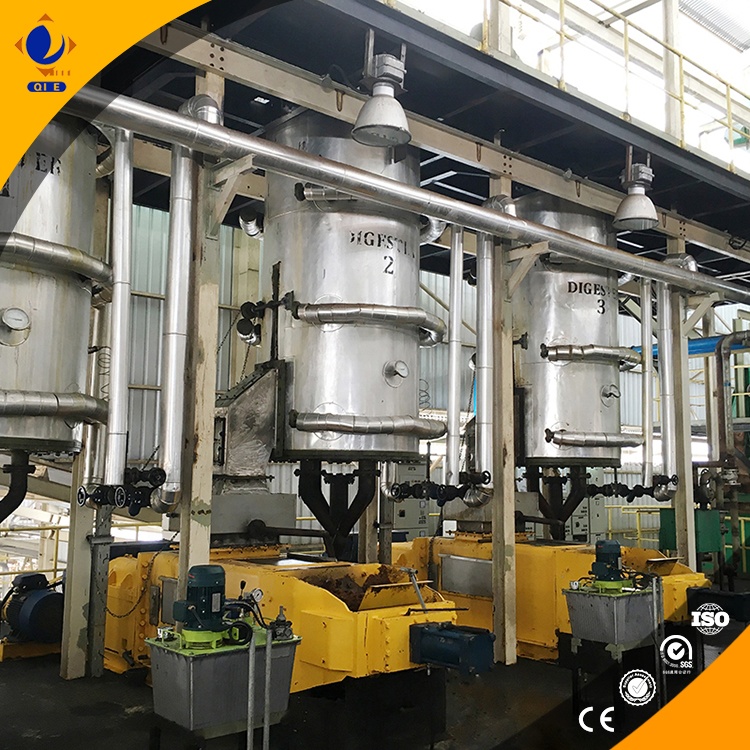
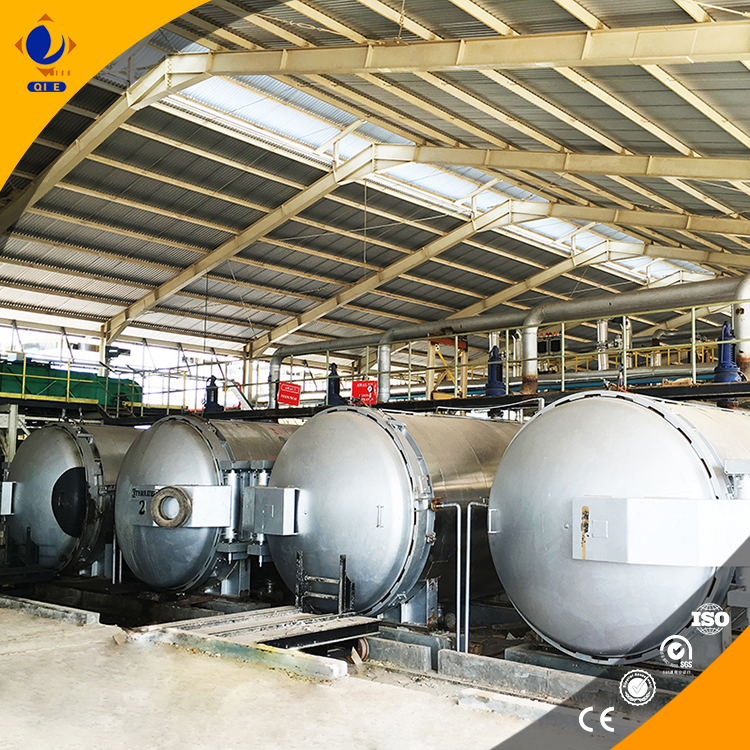
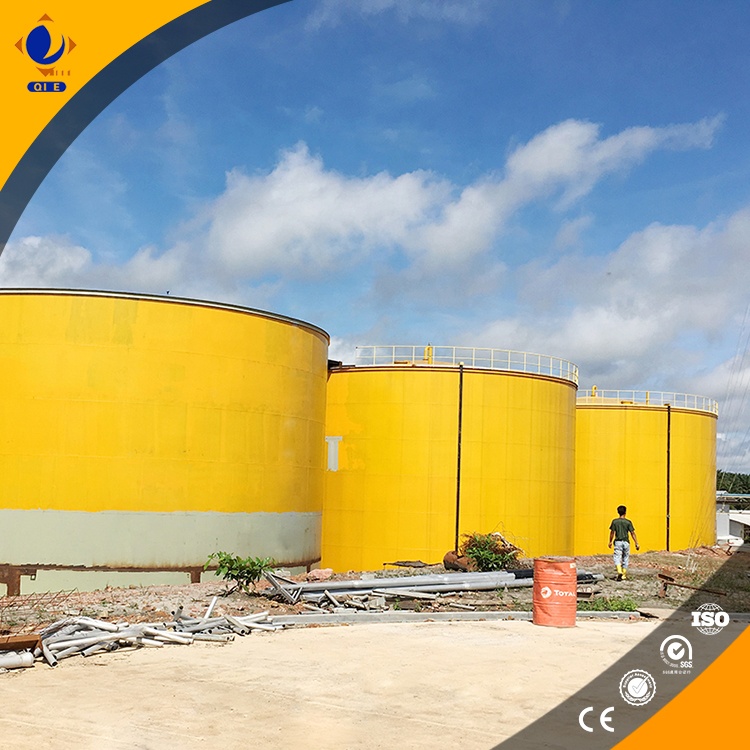
In the production of palm oil, abnormal color and excessive free fatty acids are two common issues that affect the quality of the final product. This article delves into the entire process from crude palm oil to refined oil, including the four key steps of degumming, deacidification, decolorization, and deodorization. It provides technical control points, on - site troubleshooting methods, and adjustment strategies to help users quickly identify the root causes of quality fluctuations.
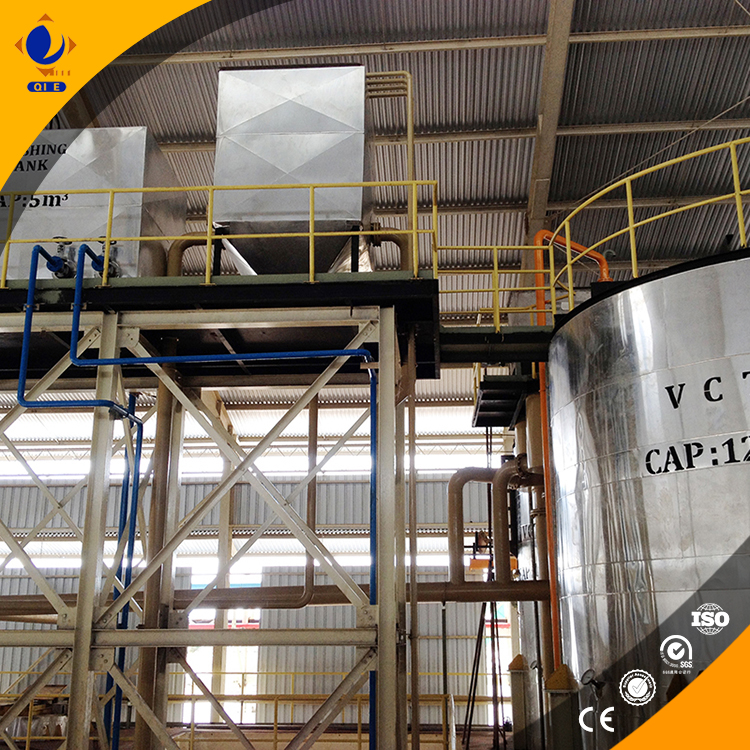
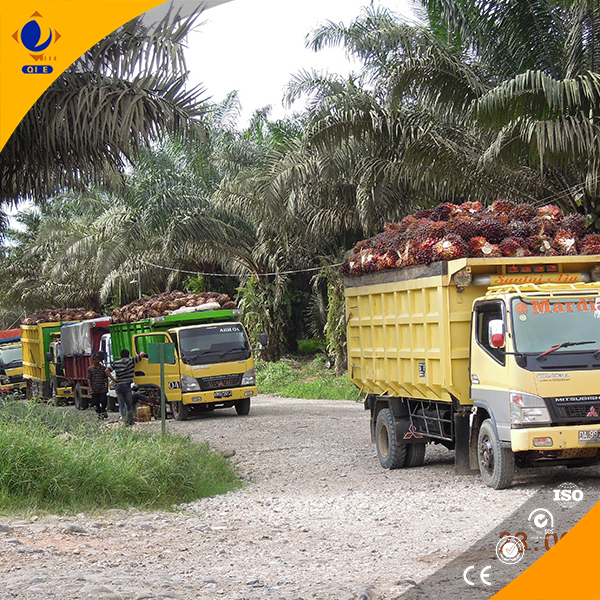
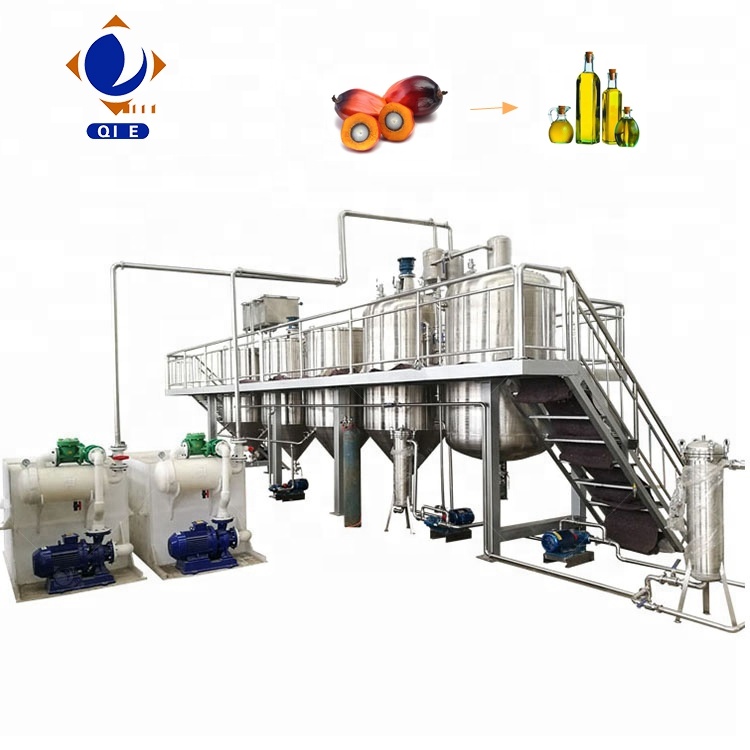
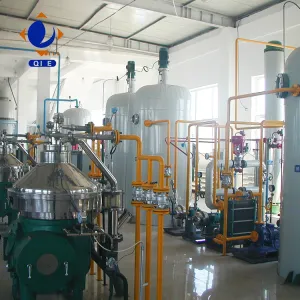
The journey from palm fruit to finished palm oil involves several crucial steps. First, palm fruits are pressed to obtain crude palm oil. Then, the oil goes through a series of refining processes: degumming, which removes impurities such as phospholipids; deacidification to reduce the free fatty acid content; decolorization to improve the color; and finally, deodorization to remove unpleasant odors. Each step is vital for ensuring the high - quality output of palm oil.
There are multiple reasons for abnormal color (such as dark or yellowish color) and excessive free fatty acids in palm oil. Fluctuations in raw materials, improper temperature control, and errors in additive dosage are among the main culprits. For example, if the temperature during the deacidification process is too high, it may lead to an increase in free fatty acids. Similarly, inconsistent raw materials can cause color variations in the final product.
To quickly identify and resolve quality issues, on - site detection methods are essential. Regularly measuring parameters such as temperature, pH value, and free fatty acid content can help in real - time monitoring. It is also recommended to keep detailed data records for each batch of production. In case of quality abnormalities, quick adjustment plans can be implemented, such as adjusting the temperature or the amount of additives.
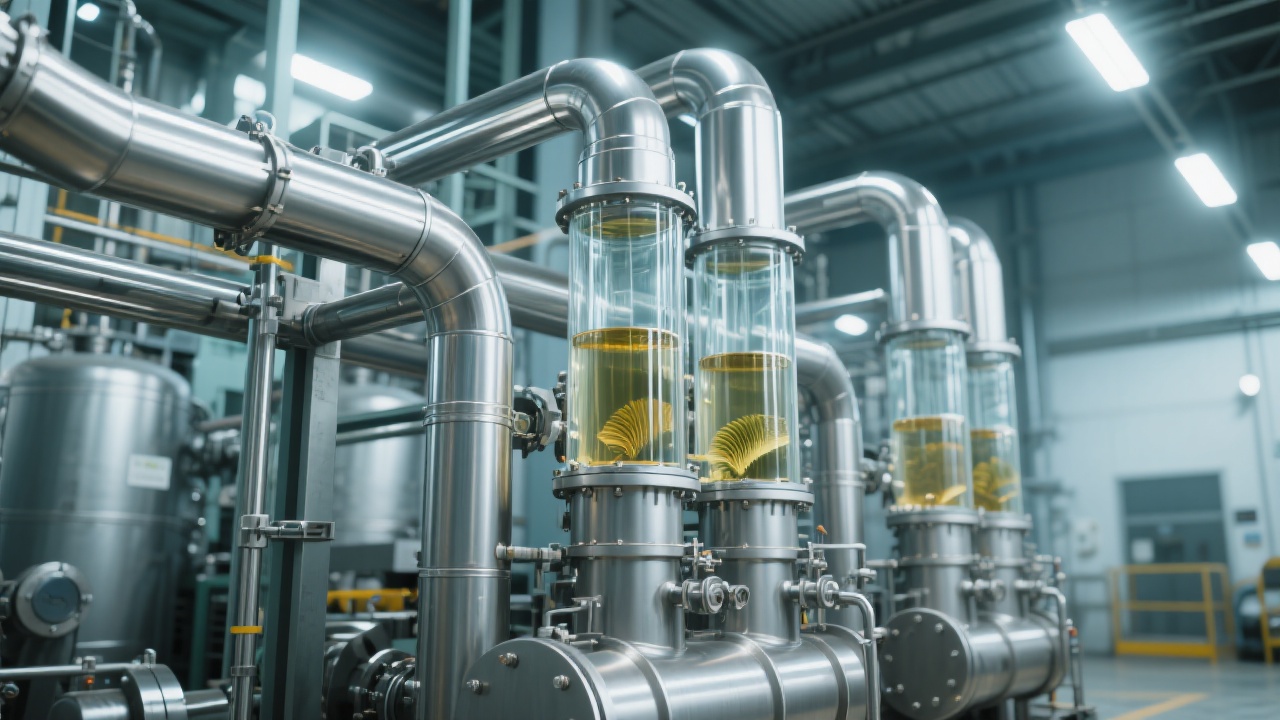
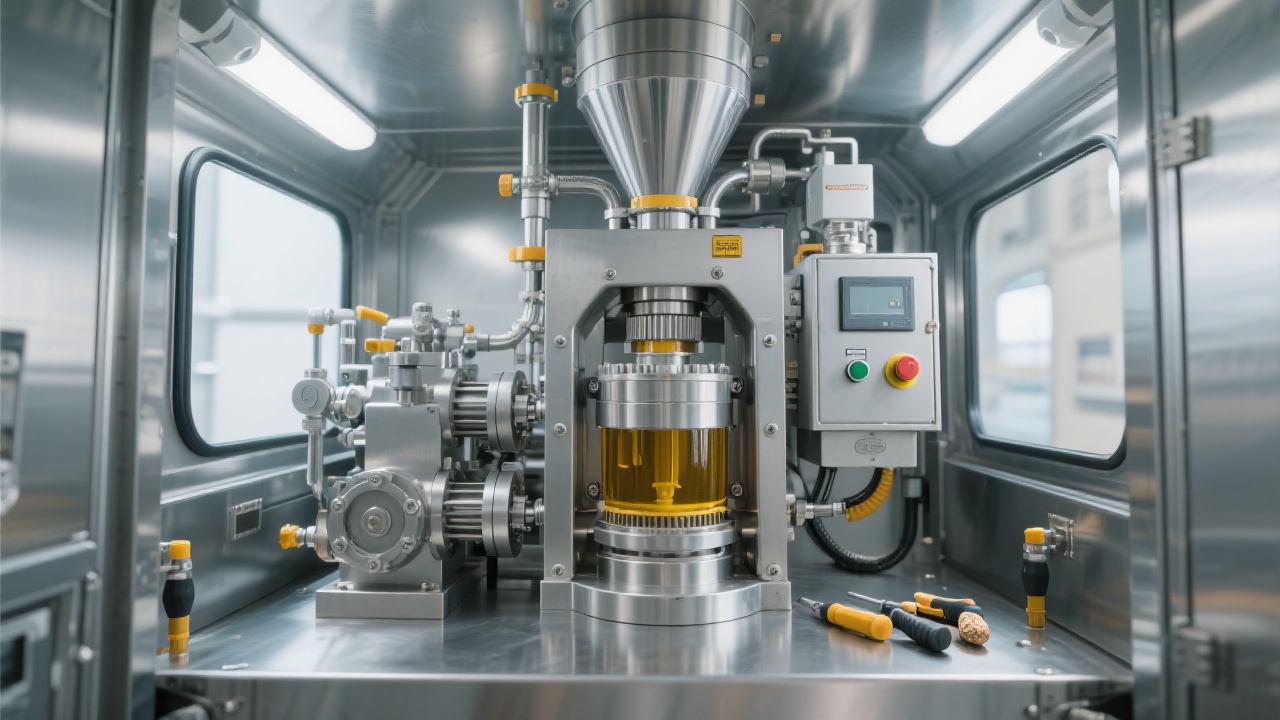
Using 304 stainless - steel equipment can prevent metal contamination in the palm oil refining process. Stainless - steel is resistant to corrosion and does not react with the oil, ensuring the purity of the product. Additionally, an automated control system can significantly enhance batch - to - batch consistency. The QIE Group fully automated production line supports precise temperature and pressure control, reducing human errors and improving product stability.
Based on years of industrial practice, it is possible to formulate standardized operating procedures. These procedures can cover every aspect of the palm oil refining process, from raw material inspection to the final product packaging. By following these standardized procedures, companies can achieve stable and high - quality production.
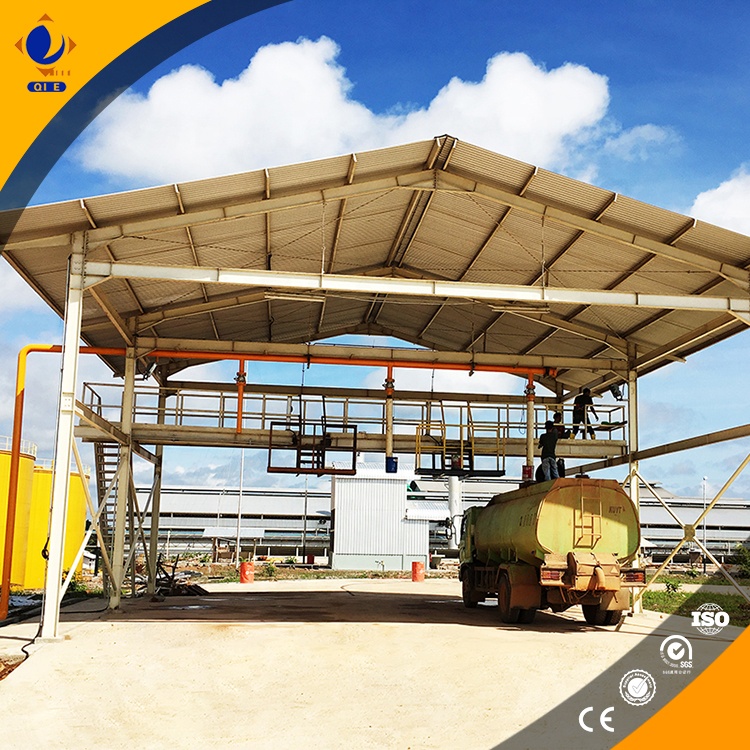
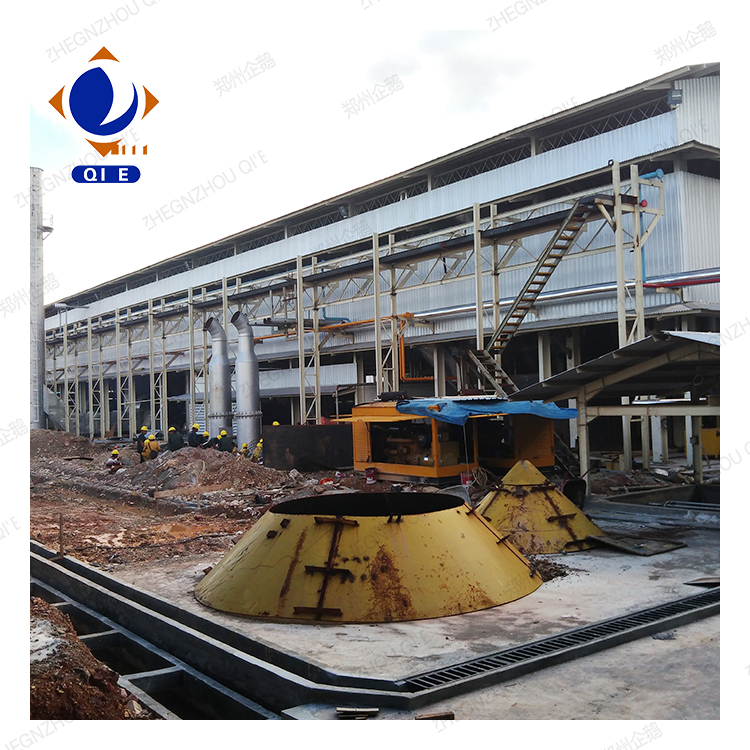
In a real - world factory application, a company was facing issues with abnormal color and excessive free fatty acids in their palm oil. By implementing the troubleshooting methods and standardized management procedures mentioned above, they were able to quickly diagnose the problems and make improvements. After a few months of adjustment, the quality of their palm oil products became more stable, and customer satisfaction increased significantly.
If you are struggling with palm oil quality issues and want to achieve stable and high - quality production, the QIE Group fully automated production line can be your ideal choice. Click here to learn more about how our technology can transform your palm oil production process.

 290
|
290
|
 Palm fruit oil extraction production line energy - saving solutions
Fully automated oil press energy consumption control
Palm oil production automation system
Screw oil press energy - saving design
Palm oil mill energy - saving renovation
Palm fruit oil extraction production line energy - saving solutions
Fully automated oil press energy consumption control
Palm oil production automation system
Screw oil press energy - saving design
Palm oil mill energy - saving renovation
 71
|
Large Multi-Functional Palm Oil Processing Machine
High-Efficiency Palm Oil Press Machine
Automatic Palm Oil Extraction Equipment
Energy-Saving Palm Oil Processing Technology
Palm Oil Processing Machine for Manufacturing
Reliable Palm Oil Press with Warranty
Customizable Palm Oil Extraction Solutions
Palm Oil Processing Machinery for Farms
Innovative Palm Oil Pressing Solutions
71
|
Large Multi-Functional Palm Oil Processing Machine
High-Efficiency Palm Oil Press Machine
Automatic Palm Oil Extraction Equipment
Energy-Saving Palm Oil Processing Technology
Palm Oil Processing Machine for Manufacturing
Reliable Palm Oil Press with Warranty
Customizable Palm Oil Extraction Solutions
Palm Oil Processing Machinery for Farms
Innovative Palm Oil Pressing Solutions
 282
|
Small - scale palm oil extraction equipment
Palm oil production line
Hot and cold pressing process
304 stainless steel
Customized equipment service
282
|
Small - scale palm oil extraction equipment
Palm oil production line
Hot and cold pressing process
304 stainless steel
Customized equipment service
 86
|
5tph palm oil processing machine
10tph palm oil processing machine
30tph palm oil processing machine
palm oil extraction equipment
palm oil refining machinery
automated palm oil processing
low energy palm oil processing
ISO certified palm oil machines
high quality palm oil processing equipment
one-stop palm oil machine service
86
|
5tph palm oil processing machine
10tph palm oil processing machine
30tph palm oil processing machine
palm oil extraction equipment
palm oil refining machinery
automated palm oil processing
low energy palm oil processing
ISO certified palm oil machines
high quality palm oil processing equipment
one-stop palm oil machine service
 168
|
Mini Palm Oil Refining Equipment
Palm Oil Refining Machine
Automatic Palm Oil Production Equipment
Energy Efficient Palm Oil Equipment
PLC Controlled Palm Oil Refining
High Capacity Palm Oil Refining Equipment
ISO9001 Certified Palm Oil Equipment
Durable Palm Oil Processing Machine
Eco-Friendly Oil Refining Equipment
Small Scale Palm Oil Production Equipment
168
|
Mini Palm Oil Refining Equipment
Palm Oil Refining Machine
Automatic Palm Oil Production Equipment
Energy Efficient Palm Oil Equipment
PLC Controlled Palm Oil Refining
High Capacity Palm Oil Refining Equipment
ISO9001 Certified Palm Oil Equipment
Durable Palm Oil Processing Machine
Eco-Friendly Oil Refining Equipment
Small Scale Palm Oil Production Equipment