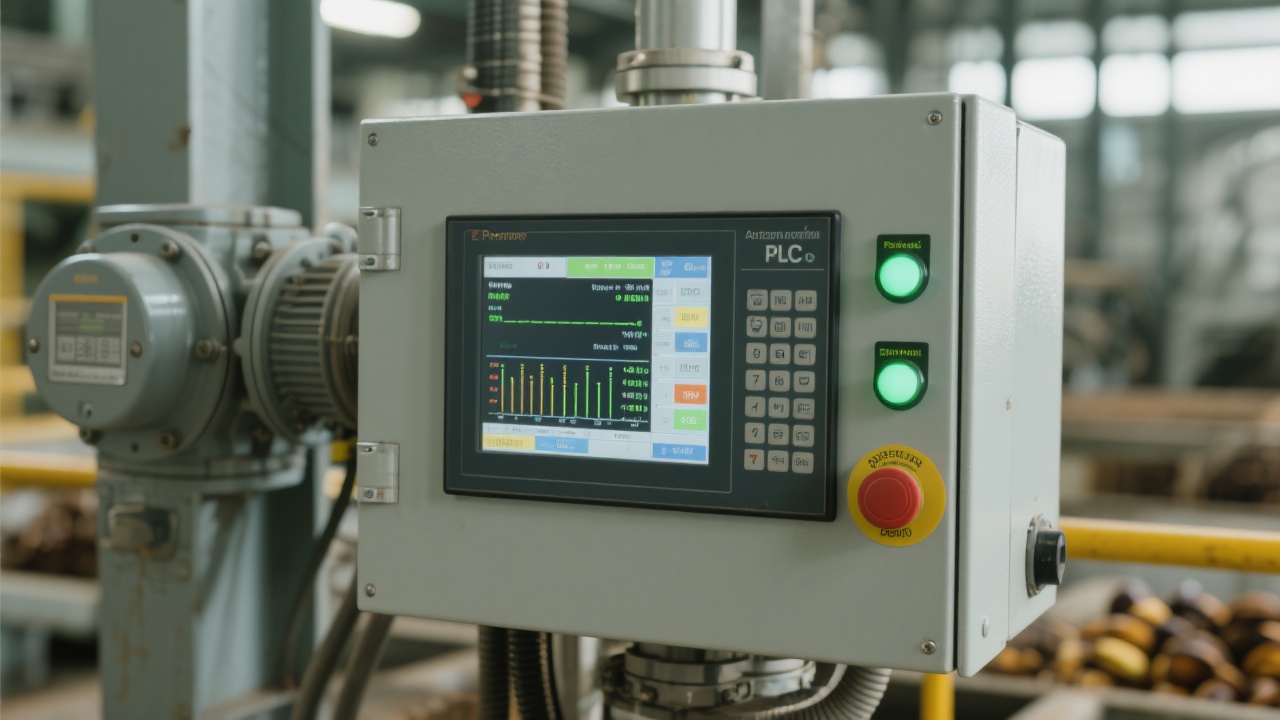
In Southeast Asia, the palm oil industry plays a crucial role in the regional economy. Small and medium-sized palm oil factories, however, often face challenges in enhancing production efficiency and competitiveness. This article aims to provide in-depth analysis on how these factories can select appropriate automated oil extraction equipment to boost their production competitiveness.
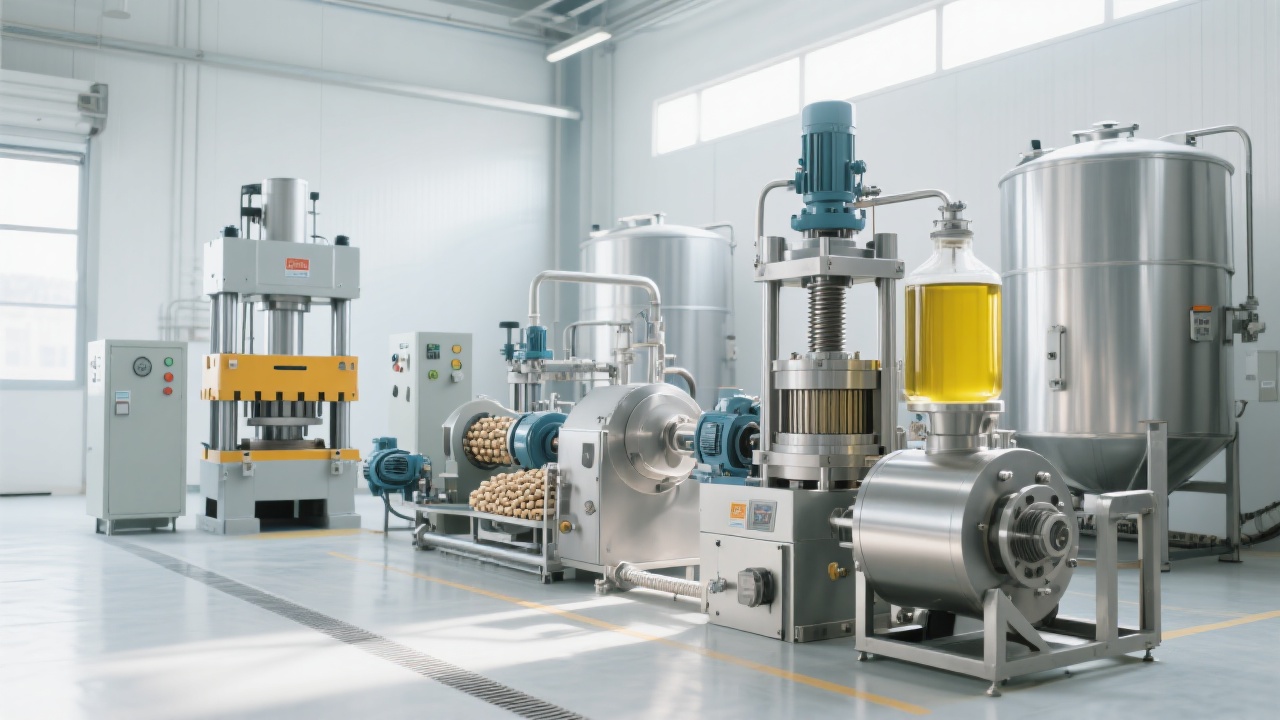
There are three main types of oil extraction systems: manual, semi - automatic, and fully automatic. Manual systems are the most basic, with low initial investment but high labor costs. For example, a small - scale palm oil factory using a manual system may require 5 - 8 workers per shift to operate a processing line with a capacity of 5 tons per day. The operation is relatively complex, and the quality of the final product may vary due to human factors.
Semi - automatic systems strike a balance between cost and efficiency. They can reduce the number of workers by about 30% compared to manual systems. For a processing line with a capacity of 20 tons per day, a semi - automatic system may only need 3 - 5 workers per shift. The operation is less complex, and the product quality is more stable.
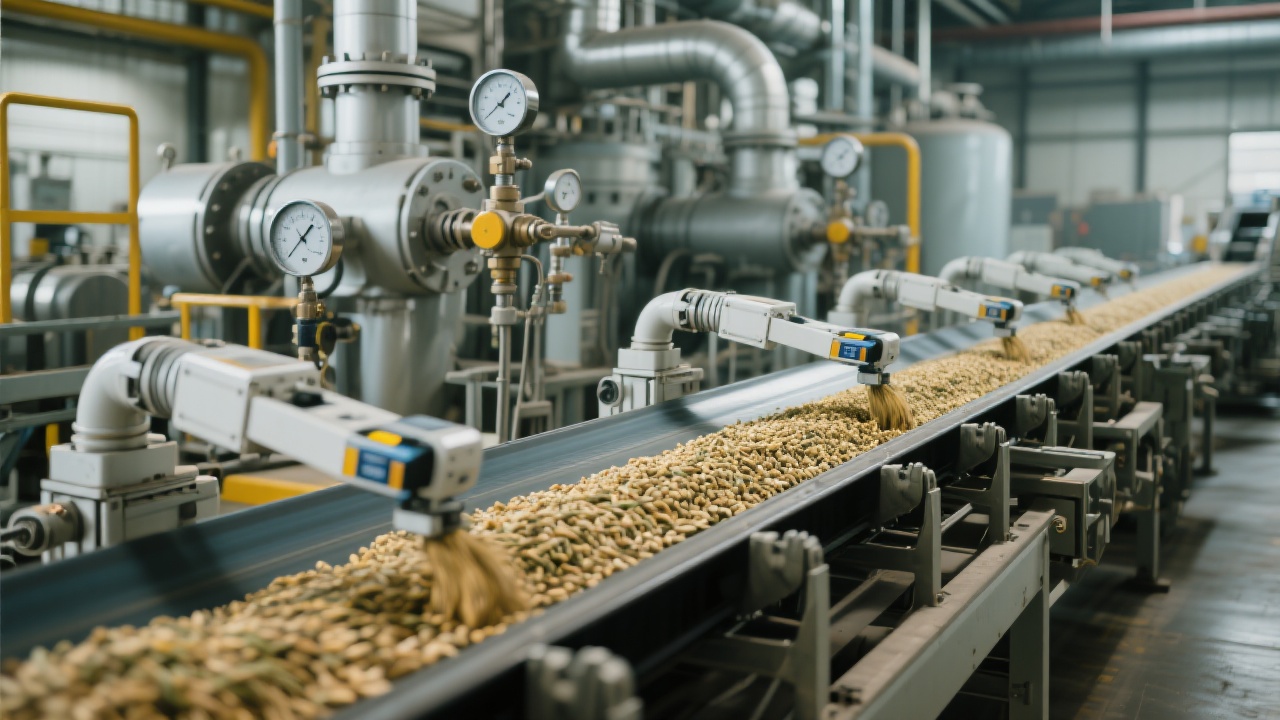
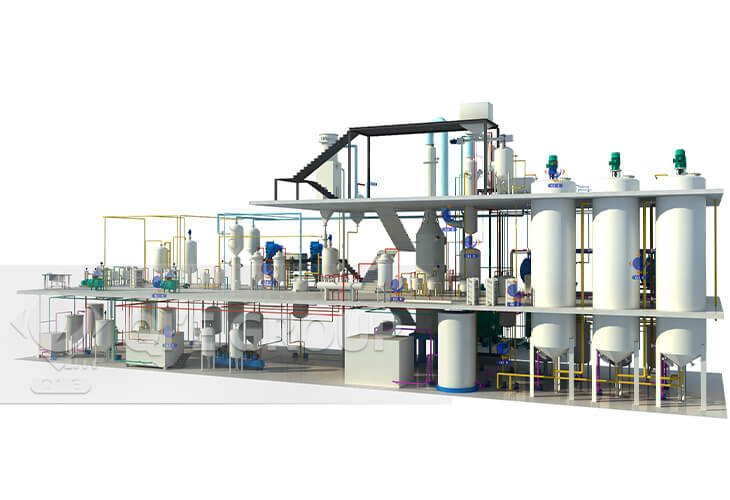
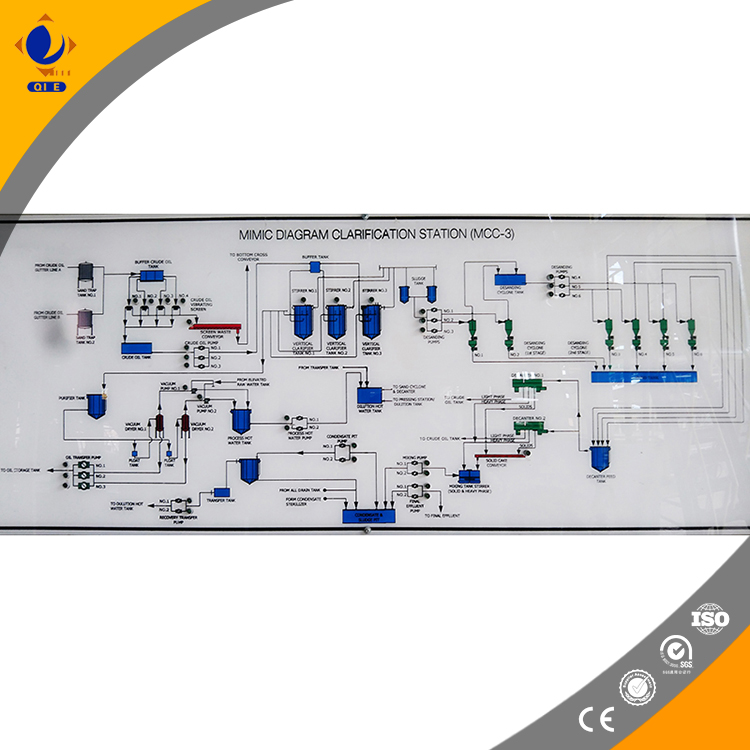
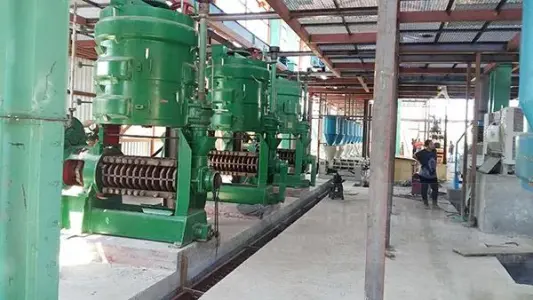
Fully automatic systems, on the other hand, offer the highest level of efficiency. With a processing capacity of 50 tons per day, a fully automatic system may only require 1 - 2 workers for monitoring. Although the initial investment is high, the long - term savings in labor costs and the improvement in product quality are significant. For instance, a fully automatic system can reduce labor costs by up to 70% compared to a manual system over a 5 - year period.
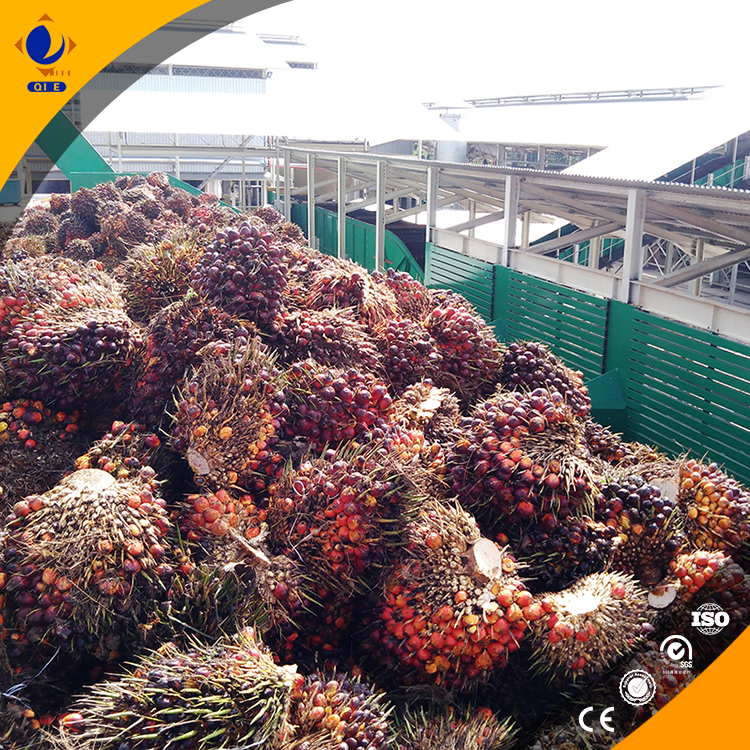
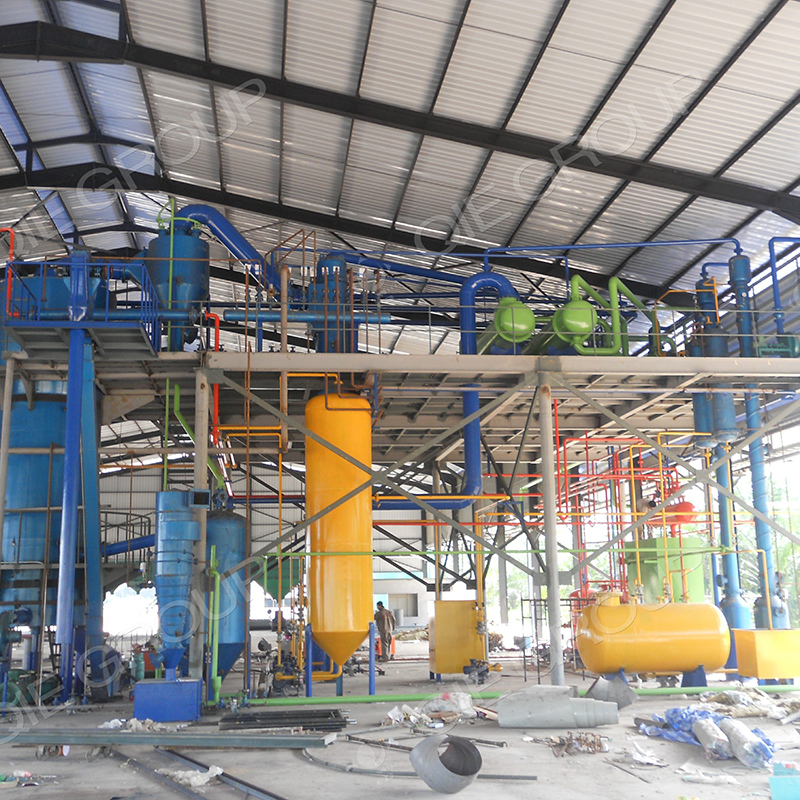
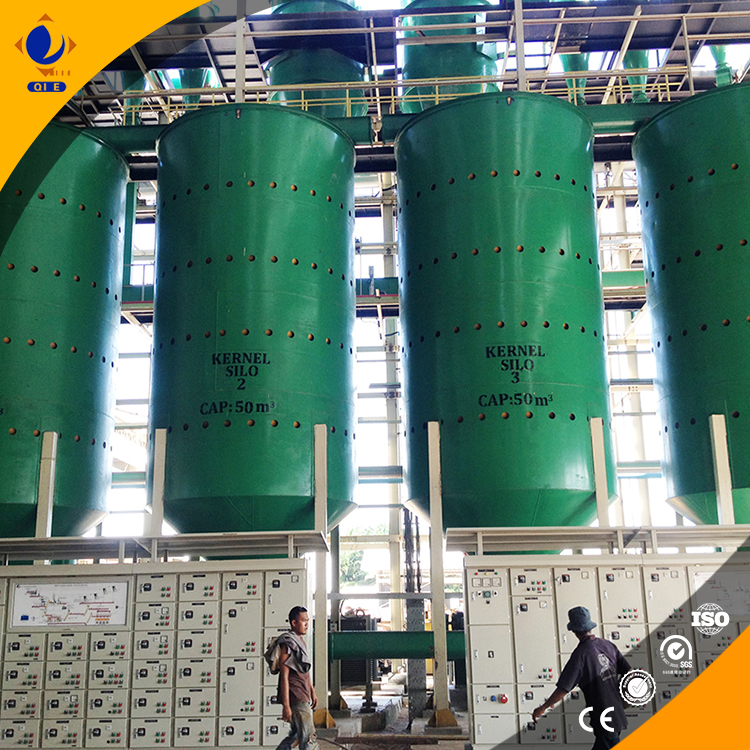
When installing automated oil extraction equipment, several factors need to be considered. Firstly, the foundation of the equipment must be able to bear the weight of the machinery. For a processing line with a capacity of 5 - 10 tons per day, the foundation should have a bearing capacity of at least 5 - 8 tons per square meter. For larger - scale equipment with a capacity of 20 - 50 tons per day, the bearing capacity should be increased to 10 - 15 tons per square meter.
Secondly, voltage adaptation is crucial. Most automated oil extraction equipment requires a stable power supply. The voltage should be within the range specified by the equipment manufacturer. For example, some equipment may require a 380V three - phase power supply, while others may work with a 220V single - phase power supply. Incorrect voltage can lead to equipment damage and unstable operation.
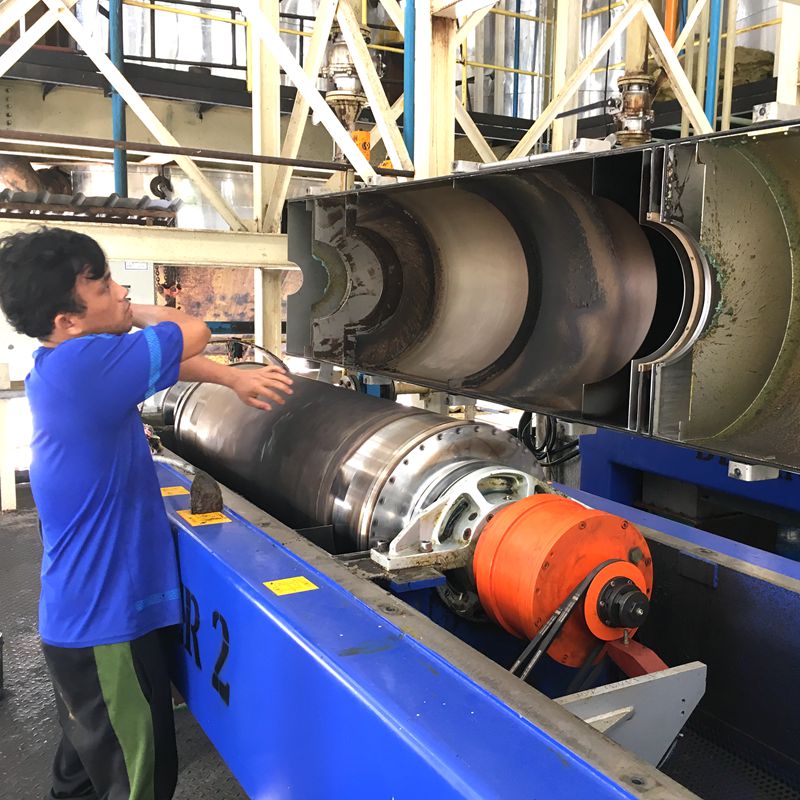
Regular maintenance is essential for the stable and efficient operation of automated oil extraction equipment. Daily maintenance includes cleaning the equipment, checking the lubrication system, and inspecting the electrical connections. For example, the filters in the oil extraction system should be cleaned at least once a week to ensure smooth oil flow.
Common faults in automated oil extraction equipment include motor failures, conveyor belt malfunctions, and blockages in the extraction chamber. By referring to the user manual and using diagnostic tools, operators can identify and troubleshoot these problems in a timely manner. For instance, if the motor fails, it may be due to overheating or a damaged capacitor. Operators can check the motor temperature and the capacitor's condition to determine the cause of the problem.
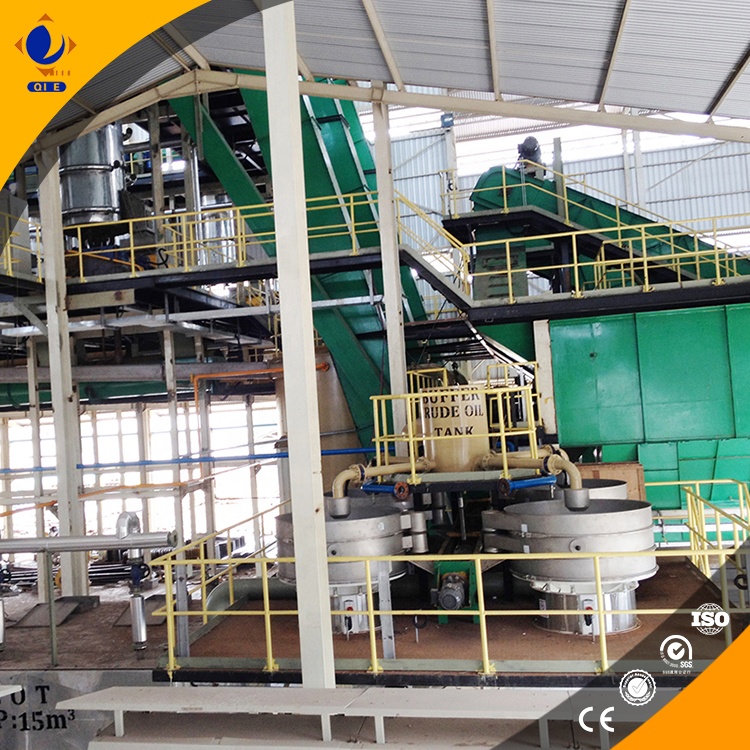
Based on actual operation scenarios and user feedback, this article helps small and medium - sized palm oil factories avoid the risks of initial investment and achieve stable and efficient operation of the equipment. By selecting the right automated oil extraction equipment and following proper installation and maintenance procedures, these factories can promote the sustainable development of palm oil production and business growth.
Automation is the future trend for small and medium - sized palm oil factories in Southeast Asia. By carefully selecting automated oil extraction equipment, considering installation requirements, and implementing proper maintenance, these factories can enhance their production efficiency, reduce costs, and improve product quality. If you are interested in learning more about the best automated oil extraction solutions for your palm oil factory, click here to consult our experts for more detailed equipment plans and technical support.

 163
|
163
|
 Crude Palm Oil Refinery Equipment
Palm Oil Processing Equipment
Oil Refining Machine
Automated Palm Oil Refinery
Energy-Efficient Refining Equipment
Sustainable Palm Oil Processing
Customizable Palm Oil Refining Solutions
Durable Oil Refining Machinery
ISO Certified Oil Refining Equipment
Crude Palm Oil Refinery Equipment
Palm Oil Processing Equipment
Oil Refining Machine
Automated Palm Oil Refinery
Energy-Efficient Refining Equipment
Sustainable Palm Oil Processing
Customizable Palm Oil Refining Solutions
Durable Oil Refining Machinery
ISO Certified Oil Refining Equipment
 68
|
Red Palm Oil Production Line Equipment
Palm Oil Processing Machine
Red Palm Oil Extractor Equipment
Automated Palm Oil Production Line
304 Stainless Steel Palm Oil Equipment
Custom Palm Oil Processing Solutions
Palm Oil Refining Machinery
High-Performance Palm Oil Equipment
Palm Oil Production Equipment with After-Sales Service
68
|
Red Palm Oil Production Line Equipment
Palm Oil Processing Machine
Red Palm Oil Extractor Equipment
Automated Palm Oil Production Line
304 Stainless Steel Palm Oil Equipment
Custom Palm Oil Processing Solutions
Palm Oil Refining Machinery
High-Performance Palm Oil Equipment
Palm Oil Production Equipment with After-Sales Service
 474
|
compact palm oil production line
Penguin Group
cold hot pressing technology
high oil yield
customized solutions
farm oil yield increase case study
474
|
compact palm oil production line
Penguin Group
cold hot pressing technology
high oil yield
customized solutions
farm oil yield increase case study
 298
|
Eco-Friendly Palm Oil Extraction Equipment
Efficient Oil Refining Machines
Palm Oil Processing Equipment
298
|
Eco-Friendly Palm Oil Extraction Equipment
Efficient Oil Refining Machines
Palm Oil Processing Equipment
 135
|
Fully Automatic Palm Fruit Oil Pressing Machine Production Line
Palm Oil Processing Machine for High Capacity
Energy Efficient Palm Oil Extraction Equipment
304 Stainless Steel Palm Oil Machine
ISO9001 Certified Palm Oil Production Line
Advanced Technology in Palm Oil Processing
3-Year Warranty on Palm Oil Machinery
Automated Palm Oil Extraction Systems
Versatile Voltage Palm Oil Processing Equipment
Customizable Palm Oil Production Solutions
135
|
Fully Automatic Palm Fruit Oil Pressing Machine Production Line
Palm Oil Processing Machine for High Capacity
Energy Efficient Palm Oil Extraction Equipment
304 Stainless Steel Palm Oil Machine
ISO9001 Certified Palm Oil Production Line
Advanced Technology in Palm Oil Processing
3-Year Warranty on Palm Oil Machinery
Automated Palm Oil Extraction Systems
Versatile Voltage Palm Oil Processing Equipment
Customizable Palm Oil Production Solutions