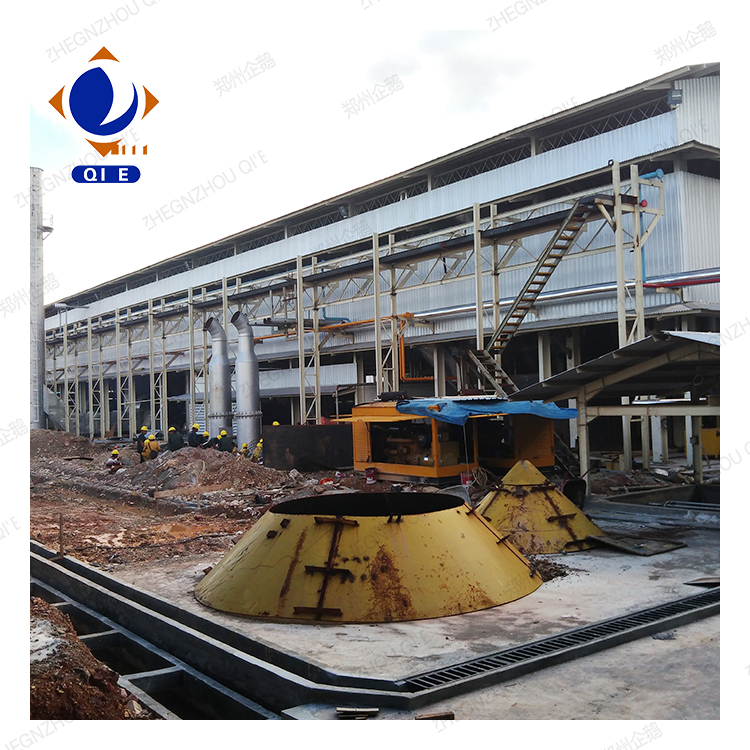
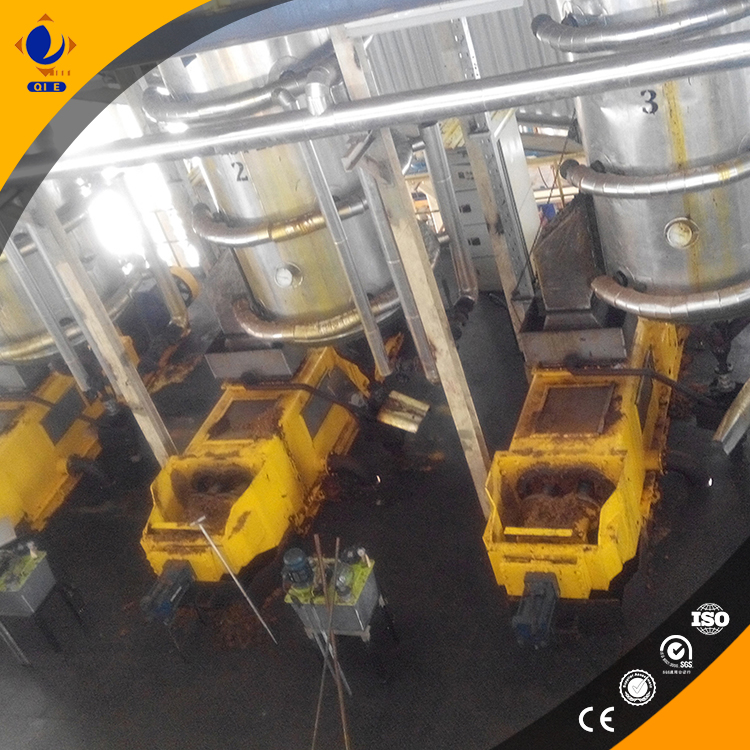
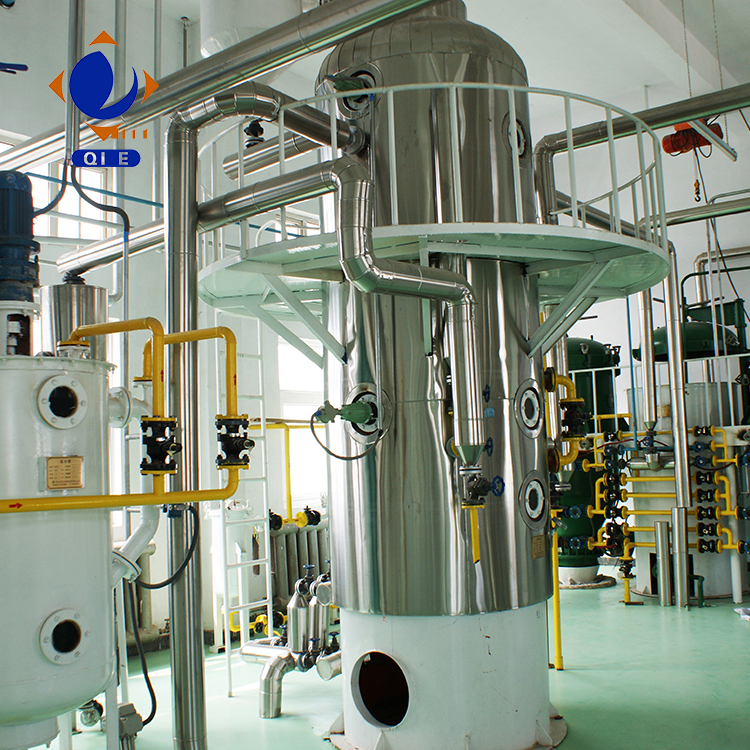
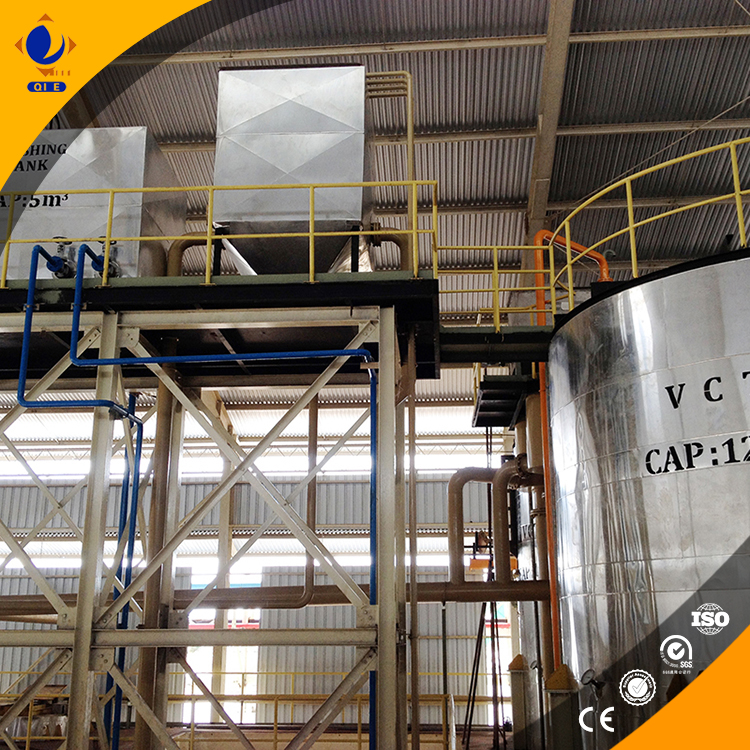
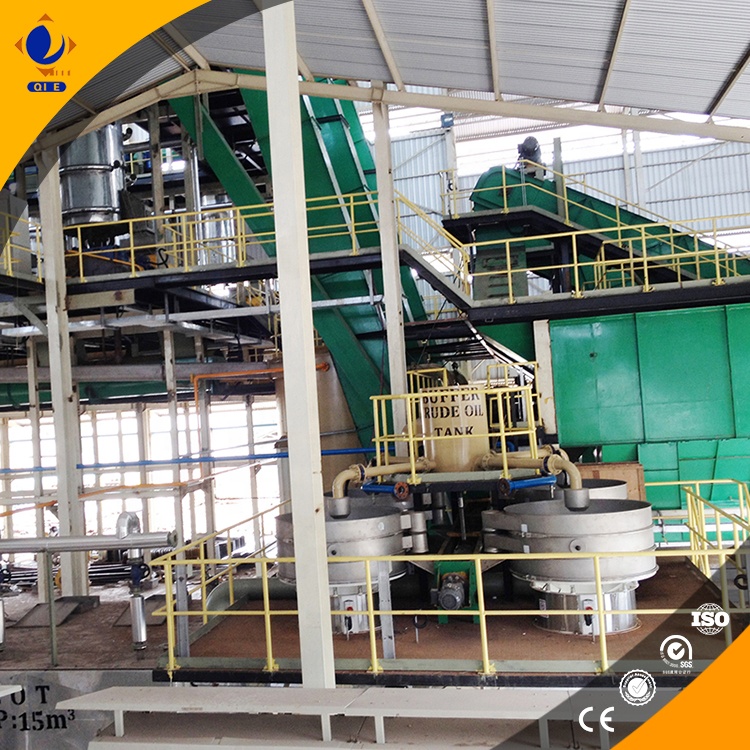
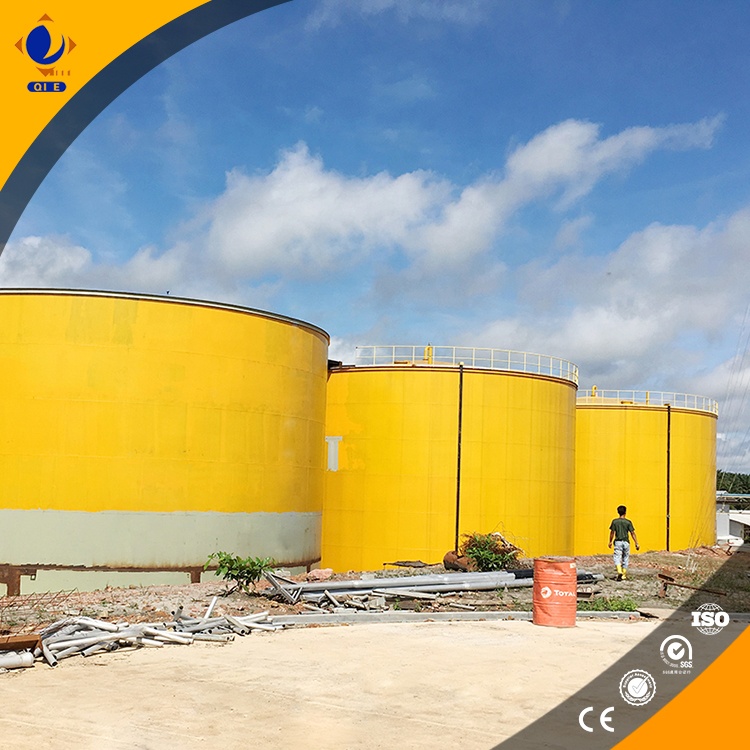
Palm oil refining is a complex industrial process that demands stringent control over multiple variables to ensure product safety and quality. From degumming to deodorization, every refining phase involves precise adjustments of temperature, vacuum parameters, and chemical additives. The integration of stainless steel equipment plays a pivotal role in preventing metal contamination, while automation systems contribute to minimizing human error and enhancing batch-to-batch consistency. Drawing on years of industrial practice, this analysis offers a technical perspective on optimizing palm oil refining through material selection and smart control technologies.
The refining journey begins with crude palm oil and culminates in high-quality, food-grade refined oil ready for distribution. The principal stages are:
Degumming: Removal of phospholipids and impurities by controlled hydration and centrifugation. Typical temperature range: 70-80°C.
Neutralization (Deacidification): Free fatty acids (FFA) are neutralized using alkali solutions; precise dosing and pH monitoring are critical.
Bleaching: Adsorption of pigments and residual contaminants using bleaching earth under vacuum. Maintaining vacuum at 600–700 mmHg and temperature between 90–110°C is standard.
Deodorization: Steam distillation at high temperatures (220–260°C) under high vacuum (>100 mmHg) eliminates volatiles affecting odor and taste.
Accurate parameter control at each stage directly impacts product quality metrics such as color (Lovibond units) and FFA percentage.
Technical Snapshot: Maintaining temperature within ±3°C and vacuum stability within ±15 mmHg during bleaching and deodorization reduces batch variation by up to 20%.
Quality inconsistencies such as abnormal coloration and elevated FFA levels often stem from parameter deviations or processing delays. For example, incomplete degumming can cause phospholipid residues, leading to darker oil color and reduced shelf life. Similarly, insufficient neutralization correlates with FFA spikes above 0.5%, breaching international food safety standards.
Effective on-site troubleshooting requires real-time monitoring of critical parameters and systematic root cause investigation—ranging from chemical dosage irregularities, equipment fouling to mechanical failures in vacuum pumps. Establishing corrective protocols aligned with analytical data significantly enhances product reliability.
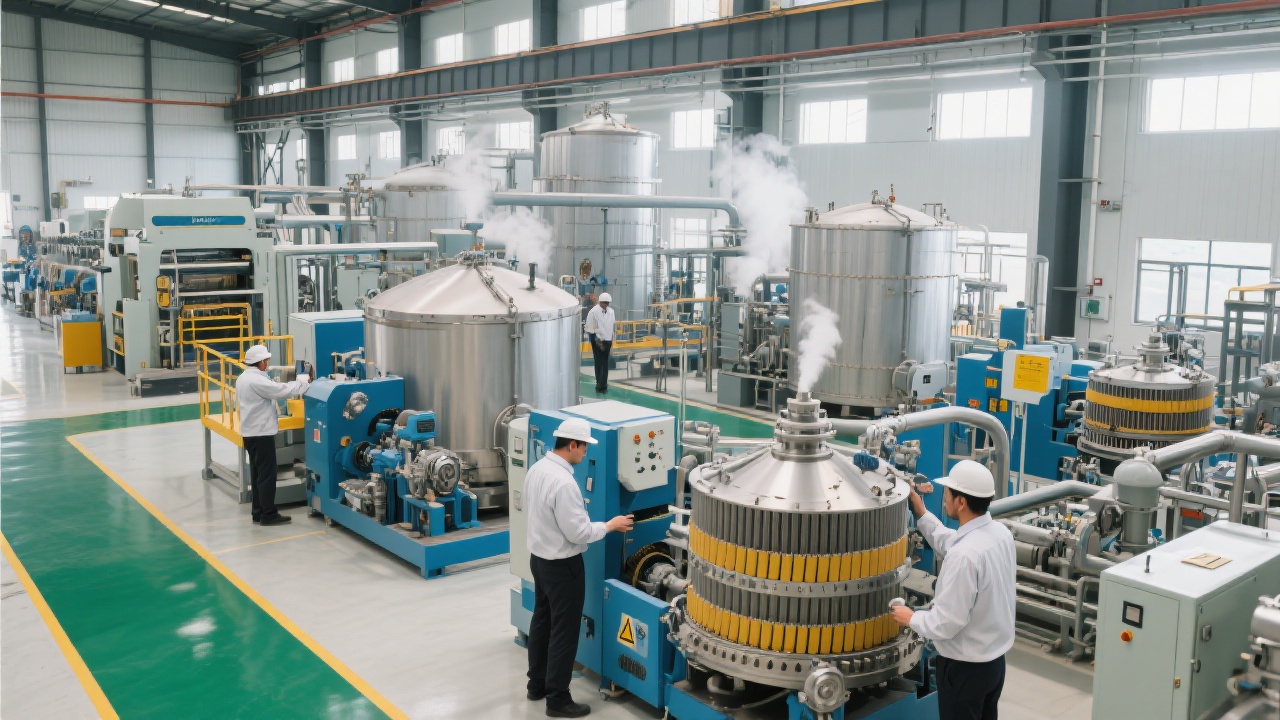
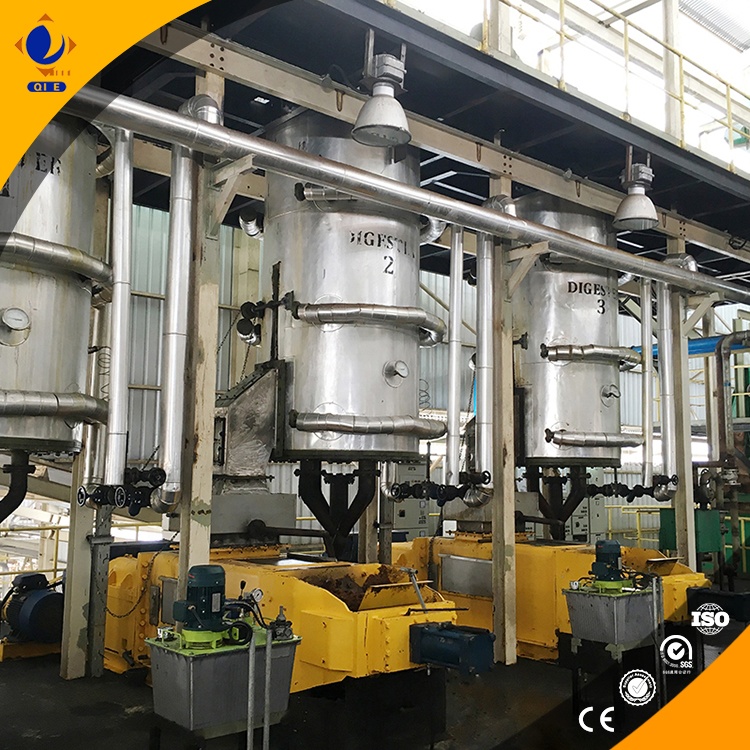
Selecting stainless steel for refining reactors, pipelines, and vessels is essential to combat corrosion caused by acidic and bleaching agents. Its inert surface prevents metal ion leaching that could contaminate the oil, thereby preserving food-grade standards.
Additionally, stainless steel extends equipment lifespan, reduces maintenance frequency, and maintains structural integrity under high temperatures and vacuum stress. These characteristics simplify CIP (clean-in-place) procedures, contributing to stringent hygiene control.
Material Insight: Grades like 316L stainless steel, with enhanced molybdenum content, have demonstrated superior resistance in bleaching and deodorization stages, reducing corrosion rates by over 50% compared to carbon steel.
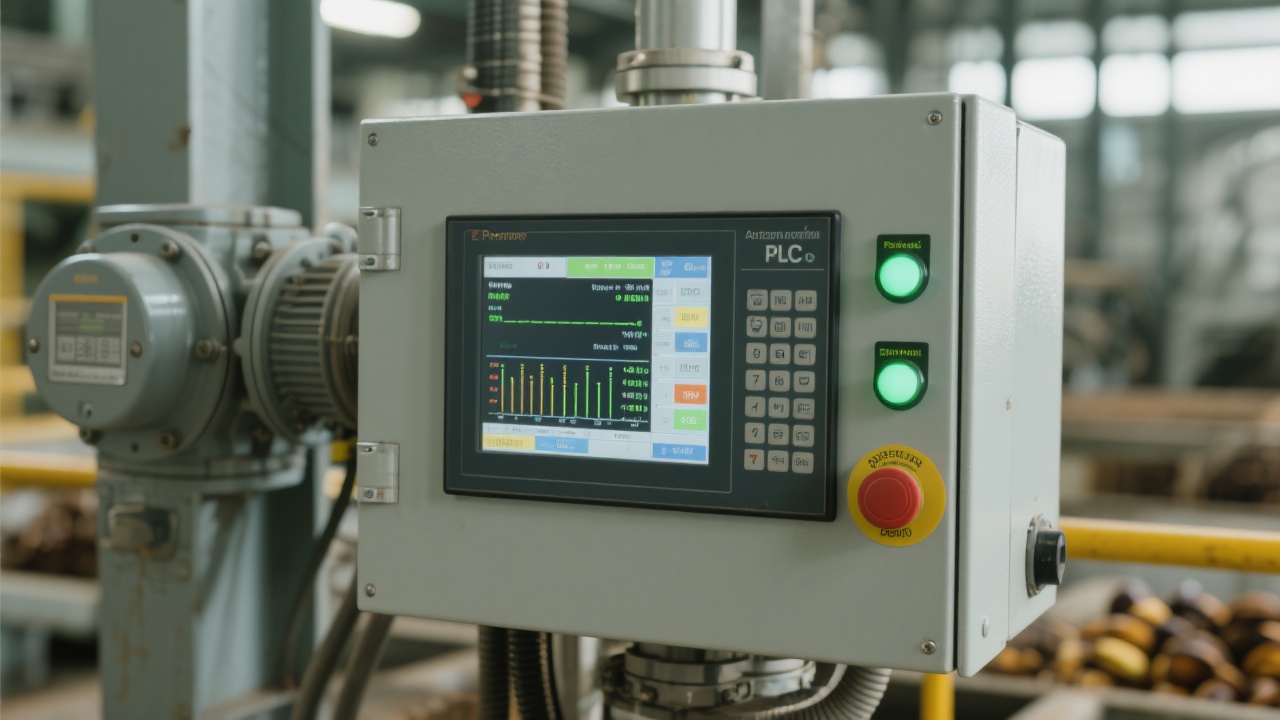
The transition from manual control to automated process management is a game-changer in palm oil refining. Modern automation platforms combine multipoint sensor data acquisition (temperature, vacuum, flow rate) with intelligent algorithms to dynamically adjust operational parameters.
This minimizes human intervention, reduces error rates, and enhances repeatability. On a production scale of 10 tons per batch, automation has shown to improve output consistency by approximately 30%, cutting reprocessing costs by a similar margin.
The QIE Group’s fully automated production lines exemplify this approach by integrating precision control modules with real-time data analytics, backed by global technical support. Their systems enable operators to visualize process trends, trigger alarms, and generate quality compliance reports seamlessly.
Establishing detailed SOPs based on on-ground experience is critical to harmonize operational routines across shifts and locations. SOPs should articulate critical control points, specify allowable parameter windows, and standardize corrective actions.
This institutional knowledge reduces variability caused by operator subjectivity and accelerates training. Periodic audits and SOP updates ensure alignment with evolving technologies and regulatory frameworks.
One refining enterprise, after implementing parameter fine-tuning guided by in-depth process analytics and deploying a QIE Group automated line, reported a remarkable improvement in product uniformity. The batch-to-batch FFA variance decreased from 0.15% to under 0.05%. Color consistency stabilized within a ±1 Lovibond unit range, enhancing market acceptance.
Furthermore, reduced manual oversight lowered labor costs by 18% and improved overall equipment utilization by 12%. Such quantifiable improvements underscore the value proposition of combining stainless steel infrastructure with robust automation.

 495
|
495
|
 1 - 50tpd small scale palm oil refining machine
automated palm oil refining for SMEs
efficient palm oil refinement technology
1 - 50tpd small scale palm oil refining machine
automated palm oil refining for SMEs
efficient palm oil refinement technology
 146
|
QI'E Group palm oil refining machine
Nigerian market palm oil equipment
efficient small-scale palm oil refinery
146
|
QI'E Group palm oil refining machine
Nigerian market palm oil equipment
efficient small-scale palm oil refinery
 349
|
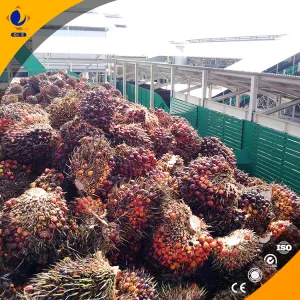
Automated BTMA Palm Oil Production Line
palm oil extraction equipment
efficient palm oil production
eco-friendly palm oil equipment
palm oil processing technology
low energy consumption palm oil production
high-quality palm oil equipment
palm oil production solutions
palm oil factory equipment
internationally certified palm oil production line
349
|
Automated BTMA Palm Oil Production Line
palm oil extraction equipment
efficient palm oil production
eco-friendly palm oil equipment
palm oil processing technology
low energy consumption palm oil production
high-quality palm oil equipment
palm oil production solutions
palm oil factory equipment
internationally certified palm oil production line
 283
|
High Yield Red Palm Oil Processing Equipment
Red Palm Oil Processing Machine
High Efficiency Palm Oil Equipment
283
|
High Yield Red Palm Oil Processing Equipment
Red Palm Oil Processing Machine
High Efficiency Palm Oil Equipment
 159
|
palm oil processing equipment maintenance
palm oil production efficiency improvement
automated control systems in palm oil industry
energy-saving palm oil processing technology
equipment lifespan extension techniques
159
|
palm oil processing equipment maintenance
palm oil production efficiency improvement
automated control systems in palm oil industry
energy-saving palm oil processing technology
equipment lifespan extension techniques