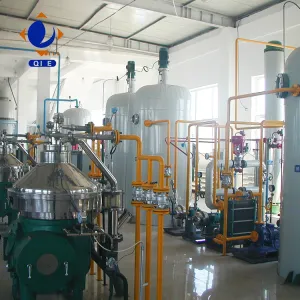
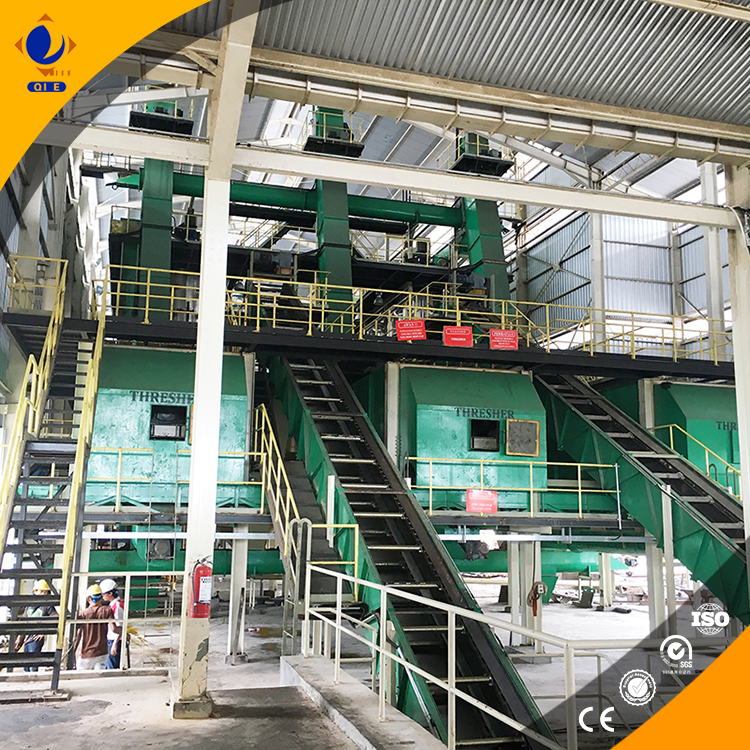
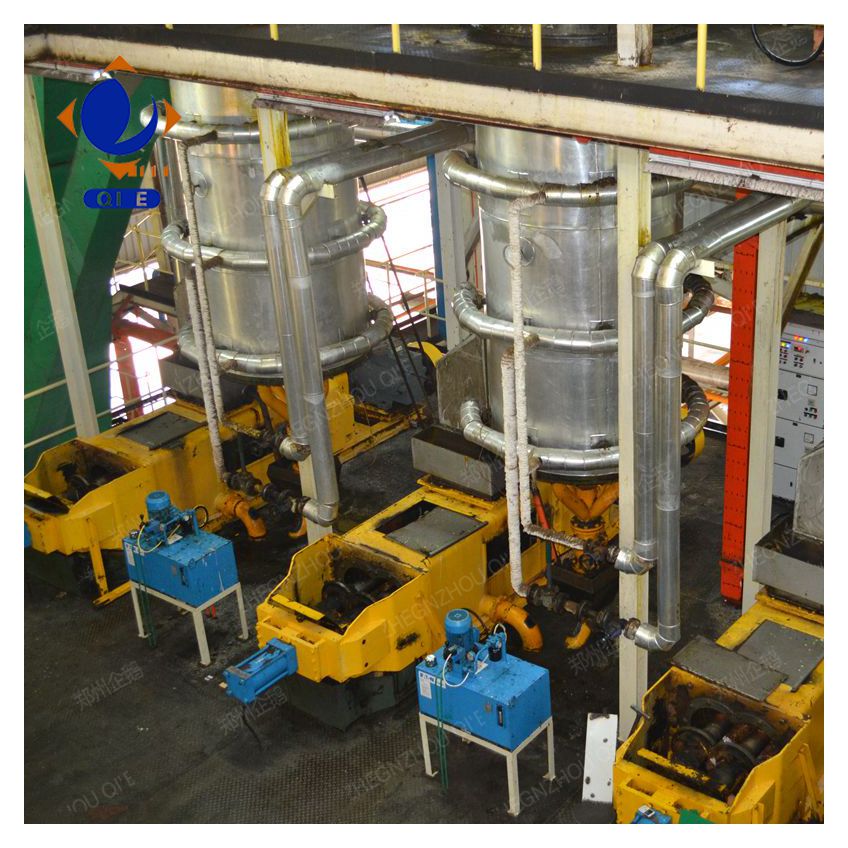
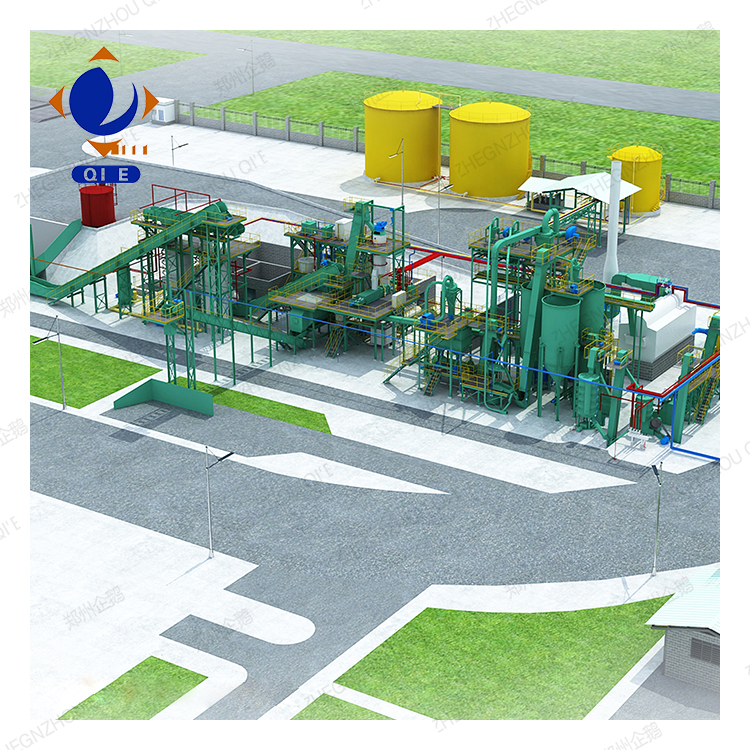
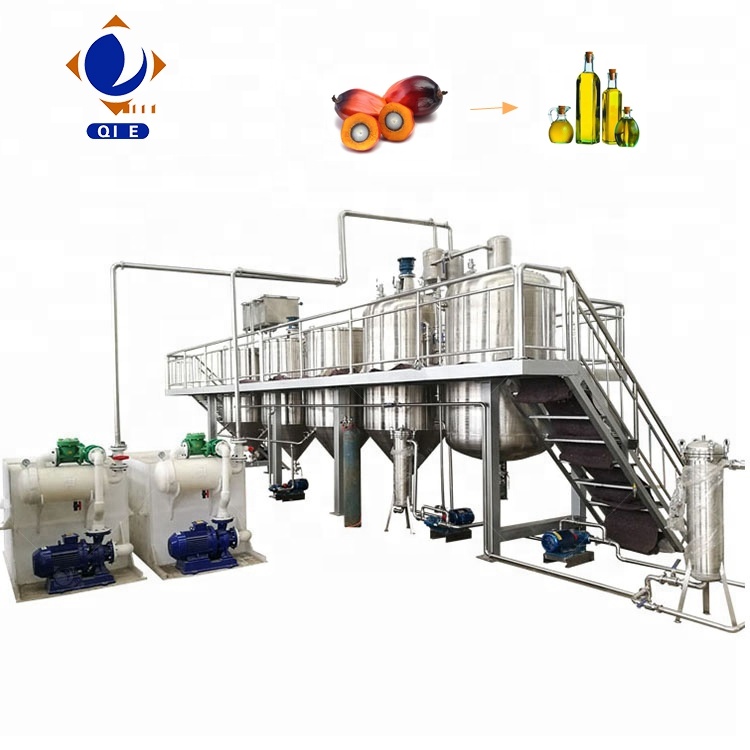
In the competitive global palm oil refining industry, consistency in quality and compliance with food safety standards are no longer optional—they’re essential for brand trust and regulatory approval. This article explores how integrating 304 stainless steel equipment and intelligent automation systems can transform batch-to-batch uniformity, reduce operational errors, and elevate product value.
The palm oil refining process—comprising degumming, neutralization (deacidification), bleaching, and deodorization—is highly sensitive to temperature, pH, pressure, and residence time. For example, a study by the Malaysian Palm Oil Board found that even a 2°C deviation during the deodorization phase can increase free fatty acid levels by up to 0.3%, directly impacting shelf life and customer satisfaction.
“When we switched from carbon steel to 304 stainless steel reactors, our metal contamination incidents dropped from 7% to less than 0.5% across 12 months.” — Dr. Lina Chen, Process Engineer at PT AgroTech Indonesia
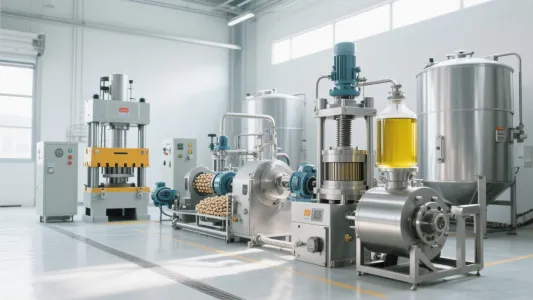
Stainless steel isn’t just durable—it’s a critical safeguard against metallic residue that could compromise flavor, color, or safety. In one case, a European buyer rejected an entire shipment due to elevated iron content traced back to corroded carbon steel tanks. By contrast, facilities using 304-grade stainless steel report:
A mid-sized refiner in Malaysia implemented a fully automated system featuring PLC-based control, real-time viscosity monitoring, and AI-driven parameter adjustment. The results? A measurable 40% improvement in batch consistency within three months, with standard deviation in iodine value dropping from ±2.1 to ±0.9—a key metric for oxidative stability.
As one operations manager noted: “Before automation, we had to train new staff for weeks just to get consistent results. Now, the system learns from each run and adjusts accordingly.”
Standard Operating Procedures (SOPs) must be grounded in real-world data—not theory. Based on field testing at over 30 refineries globally, we recommend:
These practices not only ensure repeatability but also create audit-ready documentation for ISO 22000 or BRCGS certification—both crucial for export markets.
Discover how our automated stainless steel refining lines help top-tier producers achieve consistent, high-quality output—without compromising efficiency or safety.
See Our Refining Solutions →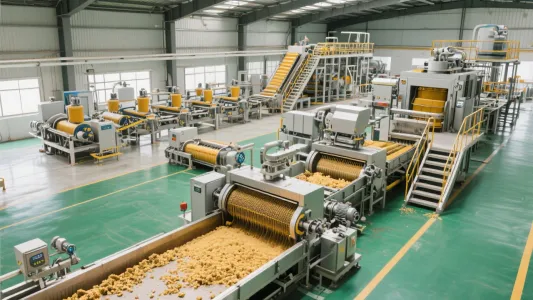
 43
|
43
|
 PLC automation
Palm oil production line automation
Industrial sensor application
Energy saving and consumption reduction
Equipment remote monitoring
PLC automation
Palm oil production line automation
Industrial sensor application
Energy saving and consumption reduction
Equipment remote monitoring
 409
|
palm oil refining process
degumming and neutralization technology
process parameter control
stainless steel equipment application
automation system in palm oil refining
409
|
palm oil refining process
degumming and neutralization technology
process parameter control
stainless steel equipment application
automation system in palm oil refining
 188
|
palm oil press equipment maintenance
preventive maintenance guide
palm oil production line upkeep
equipment downtime reduction
industrial equipment health management
188
|
palm oil press equipment maintenance
preventive maintenance guide
palm oil production line upkeep
equipment downtime reduction
industrial equipment health management
 283
|
small-scale palm oil equipment
customized oil pressing equipment
hot and cold pressing process
environmentally friendly oil pressing equipment
efficient oil production line
283
|
small-scale palm oil equipment
customized oil pressing equipment
hot and cold pressing process
environmentally friendly oil pressing equipment
efficient oil production line
 257
|
small-scale palm oil production line
hot and cold pressing technology
palm oil processing equipment
304 stainless steel equipment
palm oil production machinery
257
|
small-scale palm oil production line
hot and cold pressing technology
palm oil processing equipment
304 stainless steel equipment
palm oil production machinery