For food and beverage manufacturers processing palm oil, maintaining product purity isn't just a quality goal—it's a regulatory necessity. One of the most overlooked yet critical factors in achieving this is the selection and maintenance of stainless steel equipment throughout the refining process.
According to industry data from the International Oleochemical Association (IOA), over 70% of metal contamination incidents in edible oils originate from poorly maintained or improperly selected equipment surfaces. In particular, Grade 304L and 316L stainless steel are recommended for contact surfaces in de-gumming, degumming, bleaching, and deodorizing stages due to their low iron leaching rates—typically less than 0.1 ppm under normal operating conditions.
These grades offer superior resistance to corrosion from free fatty acids and moisture present in crude palm oil, which can otherwise lead to iron and chromium ions entering the product stream. A well-designed system with seamless welds, polished internal finishes (Ra ≤ 0.8 μm), and proper drainage prevents stagnation zones where contaminants may accumulate.

Manual operations introduce variability that increases the risk of cross-contamination. Modern automated systems, such as those integrated into full-line palm oil refineries, use PLC-based controls to maintain consistent temperature, pressure, and flow parameters across batches. Studies show that automated processes reduce batch-to-batch variance by up to 40%, directly improving compliance with ISO 22000 standards.
Operators still play a vital role—but automation shifts their focus from reactive adjustments to proactive monitoring. For example, real-time sensors can detect trace metals (like Fe, Cu, Ni) before they reach levels exceeding EU Regulation (EC) No 396/2005 limits (typically 0.5–1.0 mg/kg).
A preventive maintenance schedule based on ISO 55000 principles helps avoid unexpected failures. Key checks include:
One client in Malaysia reported a 60% drop in customer complaints after implementing these protocols alongside our stainless steel equipment series. Their QA team noted fewer instances of “metallic taste” in final products—a common red flag for consumers.
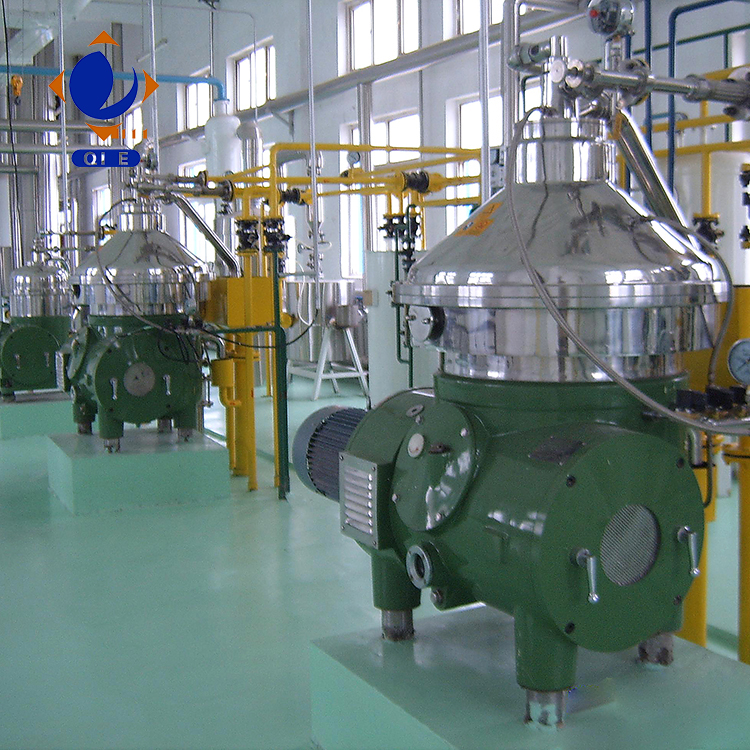
If you're managing a palm oil refinery or planning to scale production, understanding how material choice, automation, and structured maintenance work together is essential—not just for safety, but for long-term brand trust.
Our global engineering team has supported over 120 palm oil facilities worldwide—from small mills in Indonesia to large-scale processors in Brazil. Let us help you eliminate metal contamination risks while boosting efficiency and consistency.
Get a Free Technical Consultation Today