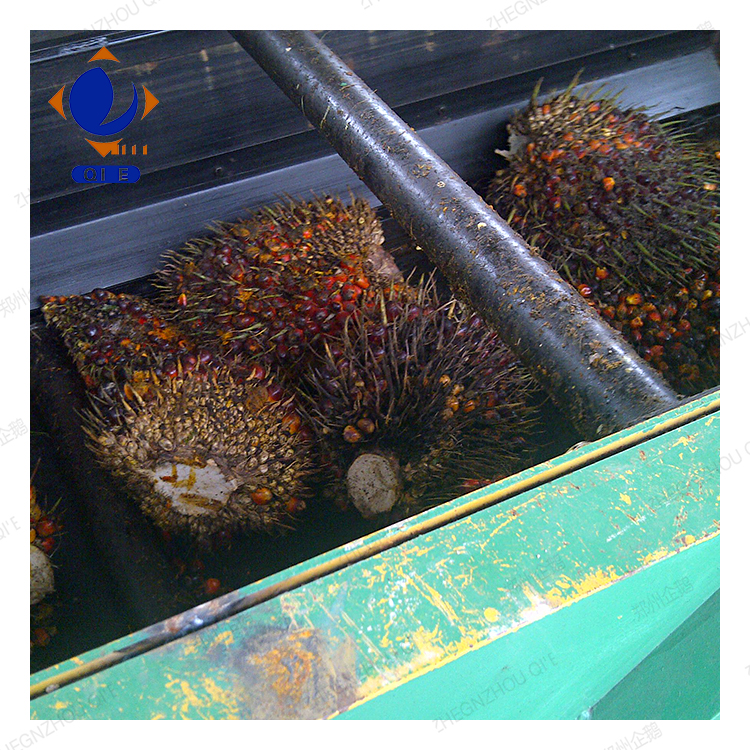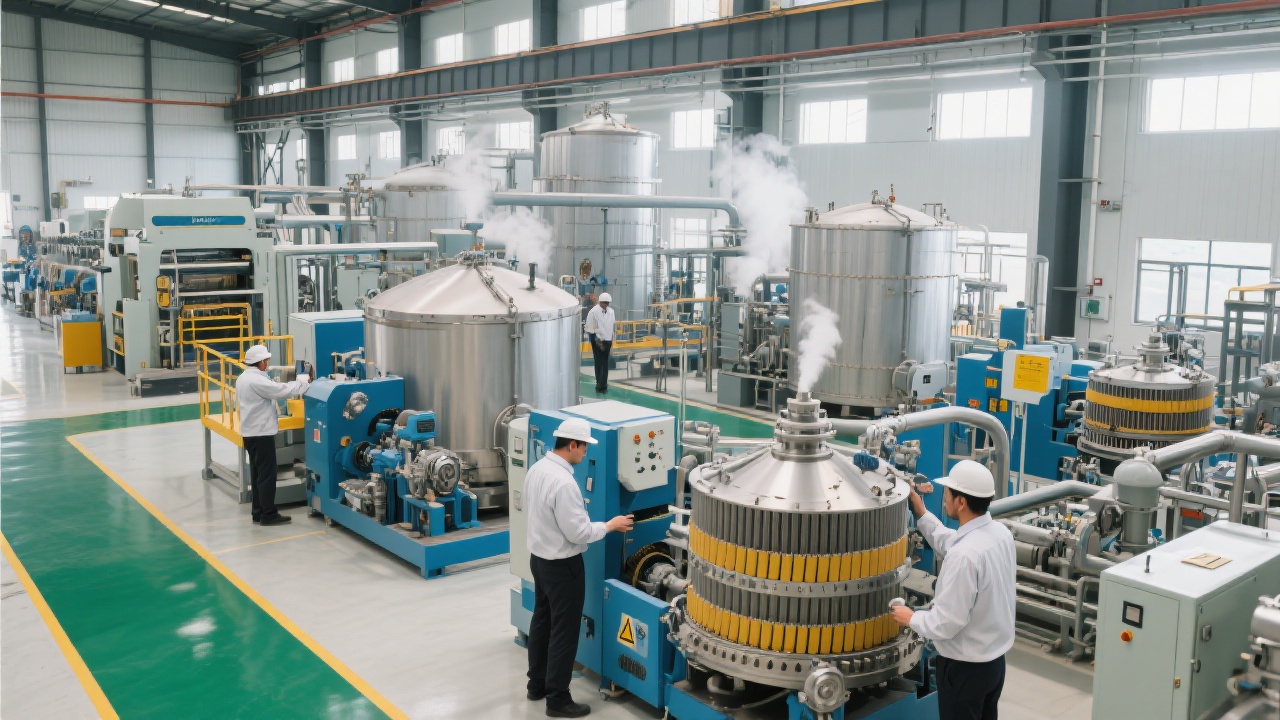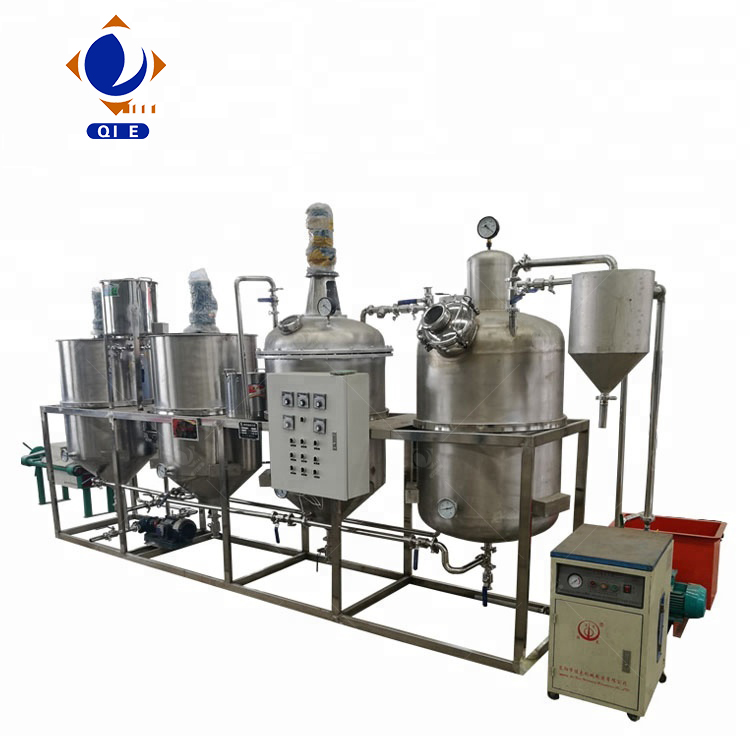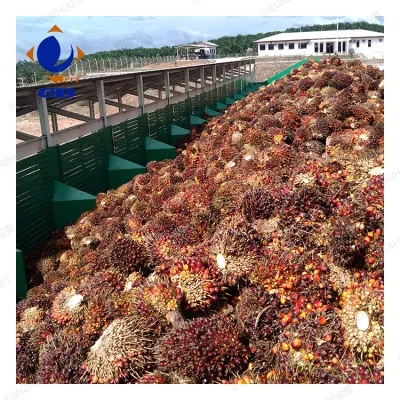
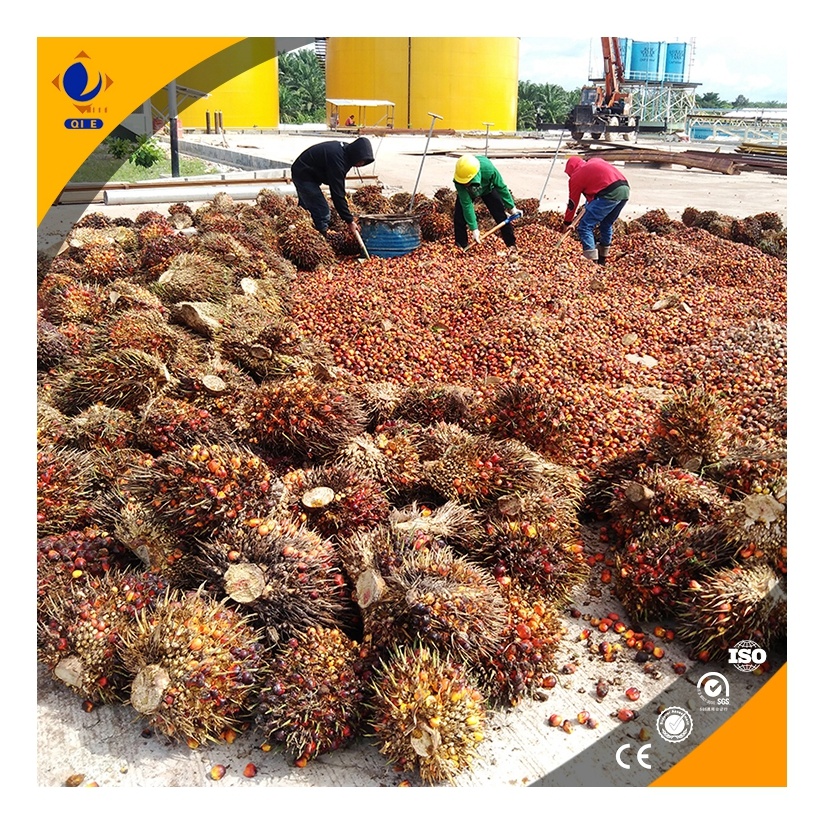
Efficient palm oil production hinges on precise pre-treatment of palm fruit, a critical step directly affecting oil yield and processing consistency. The standardized pre-treatment operation, as adopted by leading agricultural cooperatives and small-scale processing plants in regions like the Philippines and India, encompasses washing, crushing, steaming, and filtration procedures, all meticulously controlled to optimize output and promote sustainable practices.
The pre-treatment workflow begins with thorough cleaning to eliminate impurities, followed by mechanical crushing to facilitate oil extraction. The steaming step requires careful control, maintaining steam consumption at or below 280 kilograms per ton (≤280 KG/T), avoiding excessive oil oxidation and preserving oil quality. Finally, filtration separates residual solids, ensuring minimal contamination before the pressing stage.
Controlling steam usage effectively is pivotal to balancing thermal treatment and energy efficiency. Data collected from case studies in the Philippines reveal that maintaining steam consumption under 280 KG/T can reduce residual oil content in the pulp by as much as 10-12% compared to traditional methods using higher steam volumes. This moderation not only improves oil yield by approximately 3-5%, but also lowers energy expenditures by up to 15%, contributing to greener production footprints.
Leveraging automated PLC (Programmable Logic Controller) systems in palm fruit pre-treatment operations significantly reduces manual intervention, ensuring process repeatability and equipment stability. Such automation allows real-time monitoring and adjustment of steam pressure, temperature, and processing times, leading to consistent product quality and enhanced processing throughput.
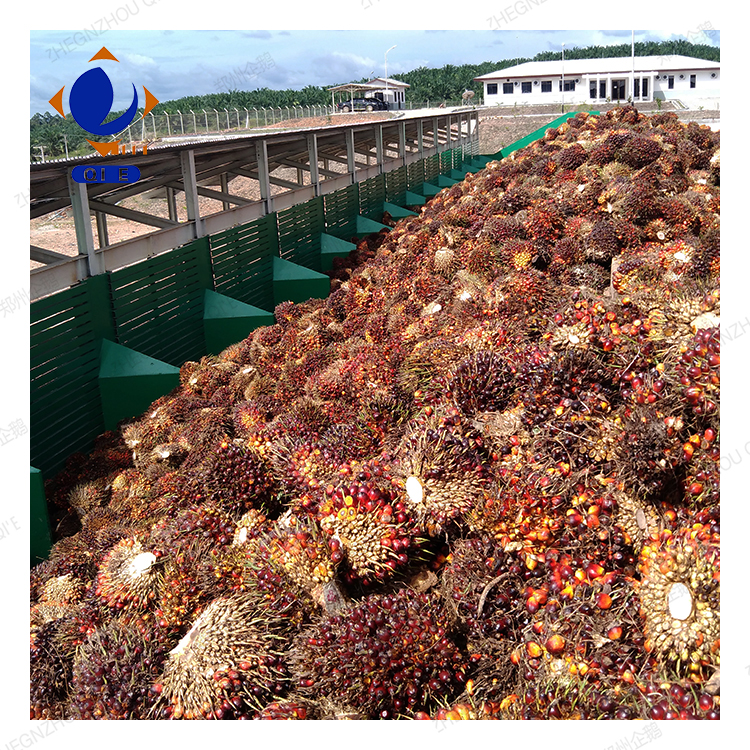
In Philippine small-scale mills adopting the standardized workflow, oil extraction efficiency increased by 7%, with reported residual oil in the fiber diminishing from 10% to 7%. Concurrently, steam consumption dropped by 12%, yielding lower operational costs and a reduced carbon footprint. Indian cooperative processors witnessed similar results, alongside improvements in yield consistency facilitated by automated controls.
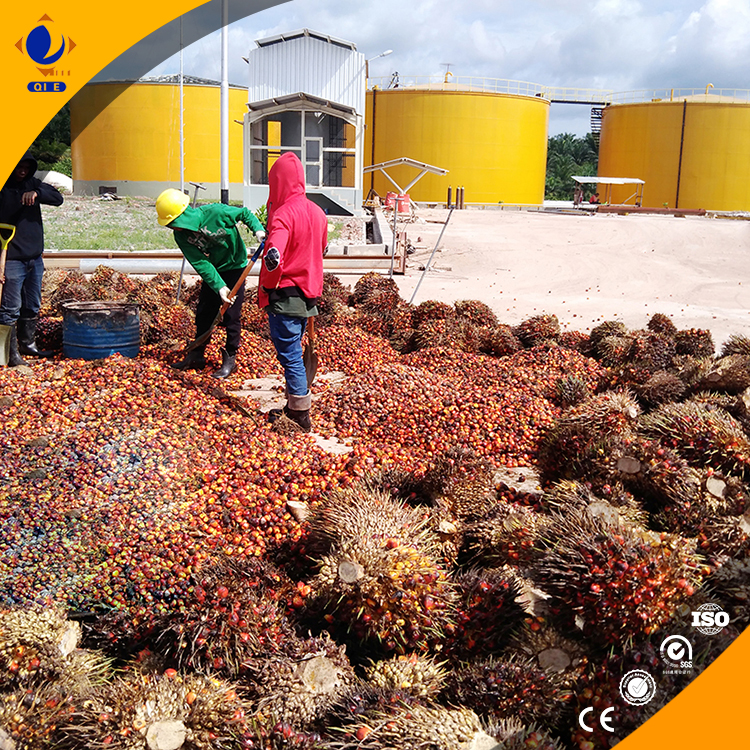
| Metric | Traditional Process | Standardized Process |
|---|---|---|
| Steam Consumption (KG/T) | 320 - 350 | ≤280 |
| Residual Oil in Fiber (%) | 10 - 12 | 7 - 8 |
| Oil Yield Improvement (%) | - | +3 - 5 |
| Energy Saving (%) | - | ~15 |
To maximize outreach and comprehension, content dissemination should include clear infographics detailing each process stage, time-lapse videos of the pre-treatment line, and brief tutorials illustrating steam adjustments via PLC interfaces. Such visual assets enhance engagement and facilitate knowledge transfer for operators across diverse literacy levels.
 111
|
111
|
 automated palm oil press machine
palm oil processing machine
high-efficiency palm oil extraction
environmentally friendly palm oil equipment
CE certified palm oil machine
ISO9001 palm oil processing
PLC controlled palm oil press
high-capacity palm oil extractor
low energy consumption palm oil machine
automated palm oil press machine
palm oil processing machine
high-efficiency palm oil extraction
environmentally friendly palm oil equipment
CE certified palm oil machine
ISO9001 palm oil processing
PLC controlled palm oil press
high-capacity palm oil extractor
low energy consumption palm oil machine
 101
|
small palm oil production line equipment
advanced cold and hot pressing technology
304 stainless steel core components
internationally renowned brand components
personalized customization
multi-industry applicability
quality assurance
Penguin Group
101
|
small palm oil production line equipment
advanced cold and hot pressing technology
304 stainless steel core components
internationally renowned brand components
personalized customization
multi-industry applicability
quality assurance
Penguin Group
 201
|
PLC automation
palm oil production line automation
industrial sensor application
palm oil pressing efficiency improvement
remote monitoring system
201
|
PLC automation
palm oil production line automation
industrial sensor application
palm oil pressing efficiency improvement
remote monitoring system
 423
|
palm oil cold pressing technology
palm oil hot pressing methods
palm fruit extraction processes
palm oil production optimization
pressing technology selection guide
423
|
palm oil cold pressing technology
palm oil hot pressing methods
palm fruit extraction processes
palm oil production optimization
pressing technology selection guide
 159
|
Small palm oil production line equipment
advanced cold and hot pressing technology
customized palm oil equipment
159
|
Small palm oil production line equipment
advanced cold and hot pressing technology
customized palm oil equipment