In the global edible oils market, consistency isn’t just a quality goal—it’s a competitive necessity. For manufacturers processing palm oil at scale, even minor deviations in refining parameters can lead to batch-to-batch variability, customer complaints, and lost contracts. At Qingpeng Group, we’ve spent over a decade refining our processes—not just for efficiency, but for precision.
According to industry data from the International Oleochemical Association (IOA), up to 35% of quality inconsistencies in refined palm oil stem from inconsistent control of temperature, vacuum levels, and chemical dosing—especially during de-gumming and bleaching stages. These aren't theoretical risks; they’re real issues affecting exporters in Southeast Asia, Europe, and the Middle East.
Take one case study from our client in Malaysia: after implementing standardized SOPs across all four core steps—de-gumming, degumming, bleaching, and deodorizing—they reduced product rejection rates by 62% within six months. The secret? Clear parameter thresholds, operator training, and automation integration.
These aren’t arbitrary settings—they’re based on thousands of test runs and feedback from clients across India, Brazil, and the UAE. We also recommend using food-grade 304 stainless steel equipment to prevent metal leaching that can cause catalytic degradation of oils.
If your palm oil shows excessive color variation or elevated free fatty acid (FFA) content, here’s how to diagnose it quickly:
| Issue | Likely Cause | Actionable Fix |
|---|---|---|
| High FFA (>0.5%) | Overheating during neutralization or incomplete washing | Adjust caustic concentration and verify washing cycle duration |
| Dark Color (RBD > 5) | Insufficient bleaching time or expired clay | Check clay activity and extend contact time by 15–30 mins |
We’ve found that companies who document these checks daily see a 40% faster root-cause resolution compared to those relying on memory alone.
Automation doesn’t replace expertise—it amplifies it. One European buyer told us: “After installing our automated process control system, our lab testing showed a 98% consistency rate across 100+ batches.” This is not magic—it’s structured engineering.
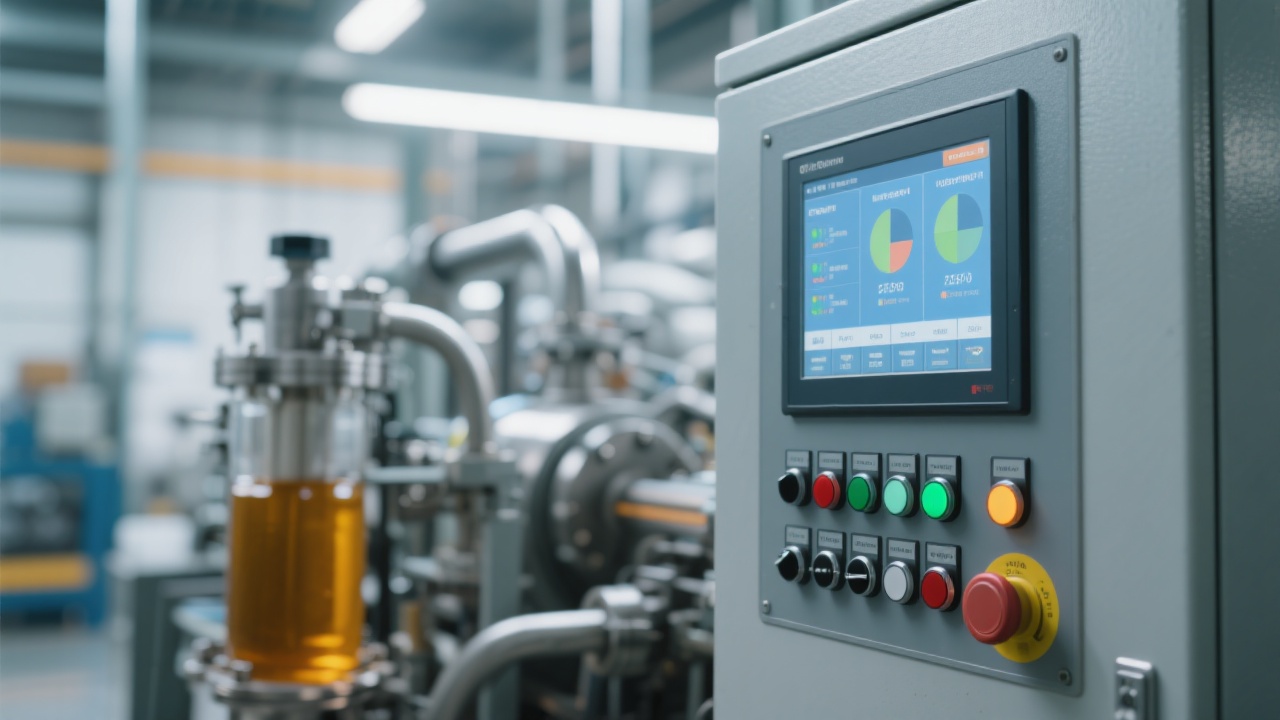
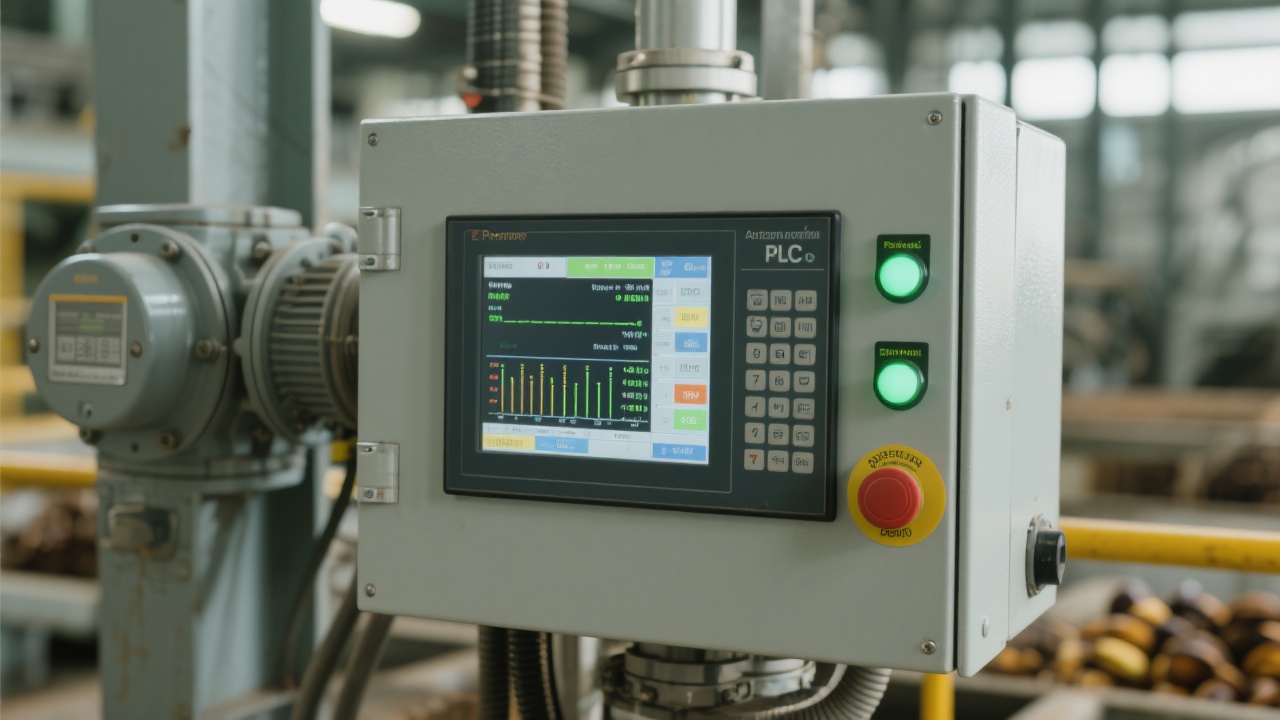
From flow sensors to PLC-based temperature regulation, integrating digital tools ensures each step stays within defined tolerances. It’s especially critical when scaling production or working with multiple shifts.
Whether you're troubleshooting a specific issue or looking to standardize your entire operation, our team of engineers has helped over 120 facilities improve yield, reduce waste, and ensure compliance with ISO 22000 standards.
Get Your Customized Refining SOP Kit + Expert ConsultationLet’s build better processes—together. Share your challenges below or reach out directly. We read every message and respond within 24 hours.
 491
|
491
|
 Mini Palm Oil Refining Equipment
Automatic Palm Oil Refining Equipment
Energy Efficient Palm Oil Refining Machine
Eco-Friendly Palm Oil Refinery
Small Scale Palm Oil Production
PLC Controlled Palm Oil Refining
ISO Certified Palm Oil Refining Equipment
High Capacity Palm Oil Refining
Reliable Palm Oil Refining Equipment
Mini Palm Oil Refining Equipment
Automatic Palm Oil Refining Equipment
Energy Efficient Palm Oil Refining Machine
Eco-Friendly Palm Oil Refinery
Small Scale Palm Oil Production
PLC Controlled Palm Oil Refining
ISO Certified Palm Oil Refining Equipment
High Capacity Palm Oil Refining
Reliable Palm Oil Refining Equipment
 436
|
Large-Scale Palm Oil Processing Machine
Palm Oil Processing Equipment
Palm Oil Extraction Machines
Efficient Palm Oil Production Equipment
Eco-Friendly Palm Oil Processing
Automated Palm Oil Milling Equipment
High-Precision Palm Oil Processing
Industrial Palm Oil Refining Equipment
Palm Oil Production Line
Customizable Palm Oil Processing Solutions
436
|
Large-Scale Palm Oil Processing Machine
Palm Oil Processing Equipment
Palm Oil Extraction Machines
Efficient Palm Oil Production Equipment
Eco-Friendly Palm Oil Processing
Automated Palm Oil Milling Equipment
High-Precision Palm Oil Processing
Industrial Palm Oil Refining Equipment
Palm Oil Production Line
Customizable Palm Oil Processing Solutions
 94
|
Palm oil pressing equipment maintenance
Core component maintenance
Equipment water quality management
Seal replacement guide
Preventive maintenance skills
94
|
Palm oil pressing equipment maintenance
Core component maintenance
Equipment water quality management
Seal replacement guide
Preventive maintenance skills
 176
|
palm oil processing efficiency
energy-efficient palm oil machinery
screw press oil extraction
automated palm oil plant design
heat recovery in palm oil production
176
|
palm oil processing efficiency
energy-efficient palm oil machinery
screw press oil extraction
automated palm oil plant design
heat recovery in palm oil production
 171
|
Palm oil pressing equipment maintenance
Core component lubrication technology
Equipment maintenance cycle
Press machine fault troubleshooting
Oil production line maintenance
171
|
Palm oil pressing equipment maintenance
Core component lubrication technology
Equipment maintenance cycle
Press machine fault troubleshooting
Oil production line maintenance